Category: Uncategorized

  • Cloud Based Erp Software Transforming Business Operations

    Cloud based ERP software represents a revolutionary approach to managing business processes, providing organizations with the flexibility and scalability they need in today’s fast-paced environment. By leveraging cloud technology, businesses can integrate various functions such as finance, supply chain, and human resources into a single platform, enhancing collaboration and efficiency.

    This software operates through a centralized system hosted on the cloud, allowing real-time access to data from anywhere with an internet connection. Core functionalities include automated workflows, customizable dashboards, and comprehensive reporting tools that empower businesses to make informed decisions quickly. With support from advanced technologies like AI and machine learning, cloud based ERP solutions are not only more powerful but also increasingly user-friendly.

    Define what cloud based ERP software entails and its core functionalities

    Cloud-based ERP (Enterprise Resource Planning) software refers to a comprehensive suite of integrated applications hosted on remote servers and accessed through the internet. This software allows organizations to manage and automate various back-office functions related to technology, services, and human resources. The central advantage of cloud-based ERP lies in its scalability, accessibility, and cost-effectiveness, eliminating the need for substantial on-premises hardware and allowing teams to work from anywhere.Cloud-based ERP systems operate on a multi-tenant architecture, where a single instance of the software serves multiple customers.

    This architecture enables seamless updates and reduces the maintenance burden on users. The core functionalities of cloud-based ERP software encompass a wide range of business processes. Key features include financial management, supply chain management, customer relationship management (CRM), human resources management (HRM), and project management. By integrating these functions into one cohesive system, businesses can streamline operations and improve visibility across processes.

    Technologies Supporting Cloud Based ERP Solutions

    The effectiveness of cloud-based ERP solutions is attributed to several key technologies. Cloud computing forms the backbone of these systems, enabling data storage, processing, and delivery over the internet. Virtualization technology allows multiple virtual servers to run on a single physical machine, optimizing resource use. Furthermore, Application Programming Interfaces (APIs) facilitate integration with other systems, enhancing functionality and enabling data exchange among different applications seamlessly.Security technologies also play a crucial role in cloud-based ERP infrastructure.

    Encryption methods protect data during transmission, while firewalls and intrusion detection systems safeguard against unauthorized access. Lastly, artificial intelligence (AI) and machine learning algorithms enhance ERP capabilities by providing predictive analytics, optimizing supply chain management, and improving customer service through personalized experiences.Common functionalities found in cloud-based ERP systems typically include:

    • Financial Management: Automates accounting processes, financial reporting, and budgeting.
    • Supply Chain Management: Manages inventory, procurement, and logistics efficiently.
    • Customer Relationship Management: Tracks customer interactions, sales opportunities, and service requests.
    • Human Resources Management: Streamlines recruitment, payroll, and employee performance tracking.
    • Project Management: Facilitates planning, execution, and monitoring of projects in real-time.

    Examine the benefits of transitioning to cloud based ERP software for businesses

    Transitioning to cloud-based ERP software represents a significant shift for many organizations, bringing a host of benefits that can enhance operational efficiency, reduce costs, and improve scalability. As businesses increasingly seek to streamline their processes and adapt to rapid market changes, cloud-based ERP solutions have emerged as a compelling choice. Organizations can enjoy increased flexibility, enhanced collaboration, and real-time data access, all of which contribute to better decision-making and productivity.A key advantage of cloud-based ERP systems is their cost-effectiveness compared to traditional on-premises solutions.

    Traditional ERP implementations often require substantial upfront investments in hardware, software licenses, and IT infrastructure. In contrast, cloud-based ERP systems typically operate on a subscription model, allowing businesses to pay only for the resources they use. This model eliminates the need for extensive capital expenditures and helps organizations manage their cash flow more effectively. For instance, businesses can save on maintenance and upgrade costs associated with outdated hardware and software.

    Moreover, cloud providers generally handle updates and security patches, relieving organizations of the burden of managing these tasks internally. The scalability afforded by cloud solutions allows companies to adjust their ERP capabilities according to their growth and operational demands, without incurring significant additional costs.

    Cost-effectiveness of cloud-based ERP systems

    The cost advantages of cloud-based ERP have resonated with many businesses, leading to a growing number of successful transitions. Organizations benefit from lower Total Cost of Ownership (TCO) due to several factors:

    • Reduced Initial Investment: Cloud-based systems require minimal initial financial outlay, as there is no need for expensive hardware purchases or extensive physical setup.
    • Flexible Pricing Models: Subscription-based pricing allows organizations to choose plans that best fit their budget and operational needs, facilitating easier financial planning.
    • Lower Operational Costs: Ongoing operational costs are minimized because cloud vendors manage maintenance, updates, and security, allowing businesses to focus on core activities.
    • Enhanced Resource Allocation: Businesses can allocate resources more effectively, investing savings into innovation and growth rather than IT infrastructure.

    The efficacy of cloud-based ERP solutions is further exemplified through real-world case studies. For example, a mid-sized manufacturing company transitioned to a cloud-based ERP system to streamline operations and improve inventory management. By implementing the new system, they reduced their operational costs by approximately 25% within the first year. The company reported enhanced visibility into real-time inventory levels, which allowed for better demand forecasting and a reduction in excess stock.Another case involves a retail organization that switched to a cloud ERP solution to unify its sales, finance, and supply chain processes.

    This transition not only facilitated smoother collaboration among departments but also resulted in a 30% increase in order processing speed. The cloud-based system allowed the organization to quickly adapt to market changes and customer preferences, demonstrating the agility afforded by such solutions.

    Transitioning to cloud-based ERP systems can significantly lower operational costs while enhancing efficiency and agility in business processes.

    In conclusion, businesses that embrace cloud-based ERP solutions position themselves for greater financial flexibility, operational efficiency, and competitiveness in an increasingly dynamic marketplace. These systems enable organizations to leverage modern technology without the financial strain associated with traditional ERP systems, making them an attractive option for businesses of all sizes.

    Analyze the potential challenges and risks associated with cloud based ERP software implementation

    Implementing cloud-based ERP software presents a myriad of challenges and risks that organizations must navigate to achieve successful deployment. While the benefits of flexibility, scalability, and cost-efficiency are appealing, the journey is often riddled with obstacles that can affect both the process and the eventual outcome. Recognizing these challenges allows businesses to prepare and strategize effectively, minimizing potential disruptions and ensuring alignment with business goals.

    Common Obstacles to Implementation

    Transitioning to a cloud-based ERP system can present several common obstacles for businesses. These challenges can range from technical difficulties to organizational resistance. Below are some of the prominent barriers that organizations may face:

    • Change Management: Employees may resist the new system due to fear of the unknown, leading to a lack of engagement during the implementation process. It’s crucial to foster a culture of acceptance and provide adequate training to ease this transition.
    • Integration Issues: Existing systems may not integrate seamlessly with the new ERP solution, causing disruptions in workflow and functionality. Businesses must conduct thorough assessments of current systems before proceeding.
    • Cost Overruns: While cloud solutions can reduce costs, unexpected expenses related to customization and ongoing maintenance can arise, necessitating careful budget management and planning.

    Security Concerns and Risk Mitigation

    Security remains a pressing concern for organizations adopting cloud-based ERP solutions. The necessity to protect sensitive data from breaches and unauthorized access is paramount. Businesses can mitigate these security risks through several strategies:

    • Data Encryption: Implementing strong encryption protocols for data both in transit and at rest helps safeguard sensitive information from potential threats.
    • Regular Security Audits: Conducting frequent security assessments ensures that vulnerabilities are identified and addressed proactively, enhancing the overall security posture of the ERP system.
    • Access Controls: Establishing strict access controls ensures that only authorized personnel can access sensitive data, which helps prevent internal and external breaches.

    Data Migration Issues

    Data migration is a critical aspect of transitioning to a cloud-based ERP system, but it often comes with its own set of challenges. Ensuring that data integrity is maintained during the transfer process is crucial. Common issues include:

    • Data Loss: There is a risk of data loss during migration if not handled correctly. Comprehensive planning and testing are essential to ensure that all necessary data is captured and successfully transferred.
    • Incompatibility: Differences in data formats between legacy systems and the new ERP can lead to inconsistencies. Businesses must clean and standardize data before migration to avoid issues.
    • Downtime: The migration process can result in system downtime, affecting business operations. Strategically scheduling migrations during off-peak hours can minimize disruption.

    Compare various cloud based ERP software vendors in the market

    When it comes to selecting a cloud-based ERP software, businesses are met with a multitude of options from various vendors, each offering unique features, pricing structures, and industry focuses. This landscape can be overwhelming, so understanding what each vendor provides is crucial to making a well-informed decision. In this section, we will examine some of the leading cloud-based ERP vendors, their key features, and the industries they primarily serve.To comprehensively compare these ERP solutions, we have created a table highlighting four leading vendors, detailing their core features, pricing, and target industries.

    This will help businesses narrow down their choices based on their specific requirements.

    Leading Cloud Based ERP Software Vendors

    Here is a comparison of four prominent cloud-based ERP software vendors:

    Vendor Key Features Pricing Target Industries
    NetSuite Comprehensive financial management, CRM, e-commerce integration, real-time analytics Starts at $999/month + $99/user/month Retail, Manufacturing, Services
    SAP S/4HANA Cloud Advanced analytics, AI-driven insights, industry cloud solutions Custom pricing based on modules and user count Manufacturing, Automotive, Consumer Products
    Microsoft Dynamics 365 Flexible customization, integrated CRM, robust reporting Starts at $70/user/month Finance, Retail, Healthcare
    Oracle ERP Cloud Comprehensive risk management, financial planning, procurement Starts at $175/user/month Financial Services, Construction, Technology

    When choosing a cloud-based ERP provider, businesses should consider several critical criteria that can significantly impact their operational efficiency and ROI.

    Criteria for Choosing a Cloud Based ERP Provider

    Selecting the right cloud-based ERP vendor involves evaluating various factors, including:

    • Business Needs: Assess how well a vendor’s solution aligns with your specific operational requirements and industry standards.
    • Scalability: Ensure the software can grow with your business and can accommodate increased users and functionalities over time.
    • Integration Capabilities: Check if the ERP system can seamlessly integrate with existing systems and third-party applications.
    • User Interface and Experience: A user-friendly interface can greatly enhance employee adoption and overall satisfaction.
    • Customer Support: Evaluate the level of support offered, including availability of technical assistance and training resources.
    • Security Features: Confirm that the vendor employs robust security measures to protect sensitive business data.

    User experiences and reviews can provide valuable insights into the practical application of these ERP solutions.

    User Experiences and Reviews

    Feedback from current users often highlights the strengths and weaknesses of various ERP systems.

    “NetSuite’s ability to integrate e-commerce directly into its ERP system made it a game-changer for our retail business.”

    Conversely, some reviews indicate areas where vendors may fall short:

    “While SAP S/4HANA Cloud offers powerful analytics, the learning curve for new users can be steep and challenging.”

    Users frequently emphasize the importance of customer support and training in their experiences:

    “Microsoft Dynamics 365 has a fantastic support team that helped us transition smoothly during implementation.”

    Collectively, these insights underscore the importance of thorough research and consideration of user feedback when selecting a cloud-based ERP system to best suit a business’s needs.

    Illustrate the integration capabilities of cloud based ERP software with other business systems

    Cloud-based ERP software is transforming the way businesses operate by seamlessly integrating with various other business systems, including customer relationship management (CRM) and supply chain management (SCM). This integration is crucial for businesses looking to streamline operations, enhance data accuracy, and improve overall efficiency. By connecting these systems, organizations can achieve a holistic view of their operations, enabling better decision-making and resource allocation.Integration capabilities of cloud-based ERP systems extend beyond mere data sharing; they enable real-time data synchronization and communication between different platforms.

    For instance, when a new customer is added to the CRM, the ERP system can automatically update inventory levels or procurement plans if the customer places an order. This not only saves time but also minimizes the risk of errors that may arise from manual data entry. Furthermore, cloud-based ERP solutions often come equipped with robust APIs (Application Programming Interfaces) that facilitate these integrations, making it easier for businesses to connect with other software solutions.

    API integrations in enhancing business processes

    APIs play a pivotal role in enhancing business processes by allowing different software systems to communicate effectively. They act as intermediaries that enable the exchange of data and functionalities between disparate systems. Through API integrations, businesses can automate tasks that were previously manual, such as updating stock levels, processing customer orders, or generating reports.The importance of API integration is highlighted in several real-world applications.

    For example, a retail company using a cloud-based ERP can integrate its CRM to ensure that customer orders are processed swiftly. When a customer purchases an item, the ERP system can instantly access inventory data from the supply chain management system, ensuring that stock is updated in real-time. This leads to improved customer satisfaction and reduced order fulfillment times.Another notable example comes from a manufacturing firm that integrated its ERP with its supply chain management software.

    With this setup, the company was able to predict demand more accurately by analyzing sales data directly from its ERP. As a result, the firm optimized its inventory levels, reducing excess stock and minimizing storage costs.In summary, the integration capabilities of cloud-based ERP systems, especially through APIs, significantly enhance business workflows. By enabling seamless communication between various business systems, these integrations lead to improved efficiency, reduced errors, and ultimately, higher customer satisfaction.

    Explore the future trends in cloud based ERP software development

    As businesses increasingly rely on digital solutions for their operations, cloud-based ERP software continues to evolve, integrating cutting-edge technologies. Understanding the future trends in this space is essential for organizations looking to enhance their efficiency and competitiveness. The upcoming technologies expected to shape cloud-based ERP solutions include advanced data analytics, the Internet of Things (IoT), and blockchain technology, among others.

    Upcoming Technologies Influencing ERP Solutions

    The landscape of cloud-based ERP software is set to be transformed by several key technologies that can enhance operational capabilities. These technologies not only optimize workflows but also enable real-time decision-making, which is crucial in today’s fast-paced business environment. Some notable trends include:

    • Advanced Data Analytics: The integration of sophisticated analytics tools allows businesses to glean insights from their data, driving informed strategic decisions.
    • Internet of Things (IoT): IoT devices can feed real-time data into ERP systems, improving inventory management and predictive maintenance by monitoring assets remotely.
    • Blockchain Technology: Blockchain’s decentralization and security can streamline transactions and improve supply chain transparency, thereby ensuring data integrity.
    • Mobile ERP Solutions: The shift towards mobile-friendly interfaces allows employees to access ERP functionalities on-the-go, promoting agile decision-making.
    • Low-Code/No-Code Platforms: These platforms empower non-technical users to customize ERP applications, ensuring that solutions can evolve with business needs without relying heavily on IT resources.

    Role of Artificial Intelligence and Machine Learning

    Artificial intelligence (AI) and machine learning (ML) are pivotal in enhancing ERP functionalities, automating routine tasks, and providing predictive insights. By leveraging AI algorithms, ERP systems can analyze historical data and forecast future trends, enabling proactive decision-making. For instance, AI can optimize supply chain logistics, while machine learning models can help in identifying patterns in customer behavior for better marketing strategies.

    The incorporation of AI in ERP systems allows for intelligent automation, freeing up valuable time for employees to focus on strategic initiatives.

    Preparing for Future Changes in ERP Systems

    Businesses can proactively prepare for these technological advancements by investing in training and upskilling their workforce. It’s crucial to foster a culture of adaptability and innovation, where employees are encouraged to embrace new tools and processes. Additionally, organizations should evaluate their current ERP systems and identify areas for integration with emerging technologies. Adopting a flexible ERP framework will be essential to accommodate ongoing advancements, ensuring that businesses remain competitive in a rapidly evolving landscape.

  • Cloud ERP Systems Revolutionizing Business Operations

    Cloud ERP systems are reshaping the way businesses operate, offering a blend of efficiency, flexibility, and accessibility that traditional systems often lack. As organizations explore digital transformation, the allure of cloud-based solutions becomes increasingly evident, enabling seamless integration and real-time data access. This innovation not only streamlines processes but also enhances collaboration across various departments, fostering a more agile and responsive business environment.

    At the core of cloud ERP systems lies a robust architecture that supports diverse business functions, from finance to supply chain management. By shifting operations to the cloud, companies can reduce overhead costs associated with on-premise systems while gaining the ability to scale their resources according to demand. This shift is marked by significant differences in deployment, maintenance, and user experience when compared to traditional ERP solutions, making it essential for organizations to grasp these fundamentals before making a transition.

    Understanding the Fundamentals of Cloud ERP Systems

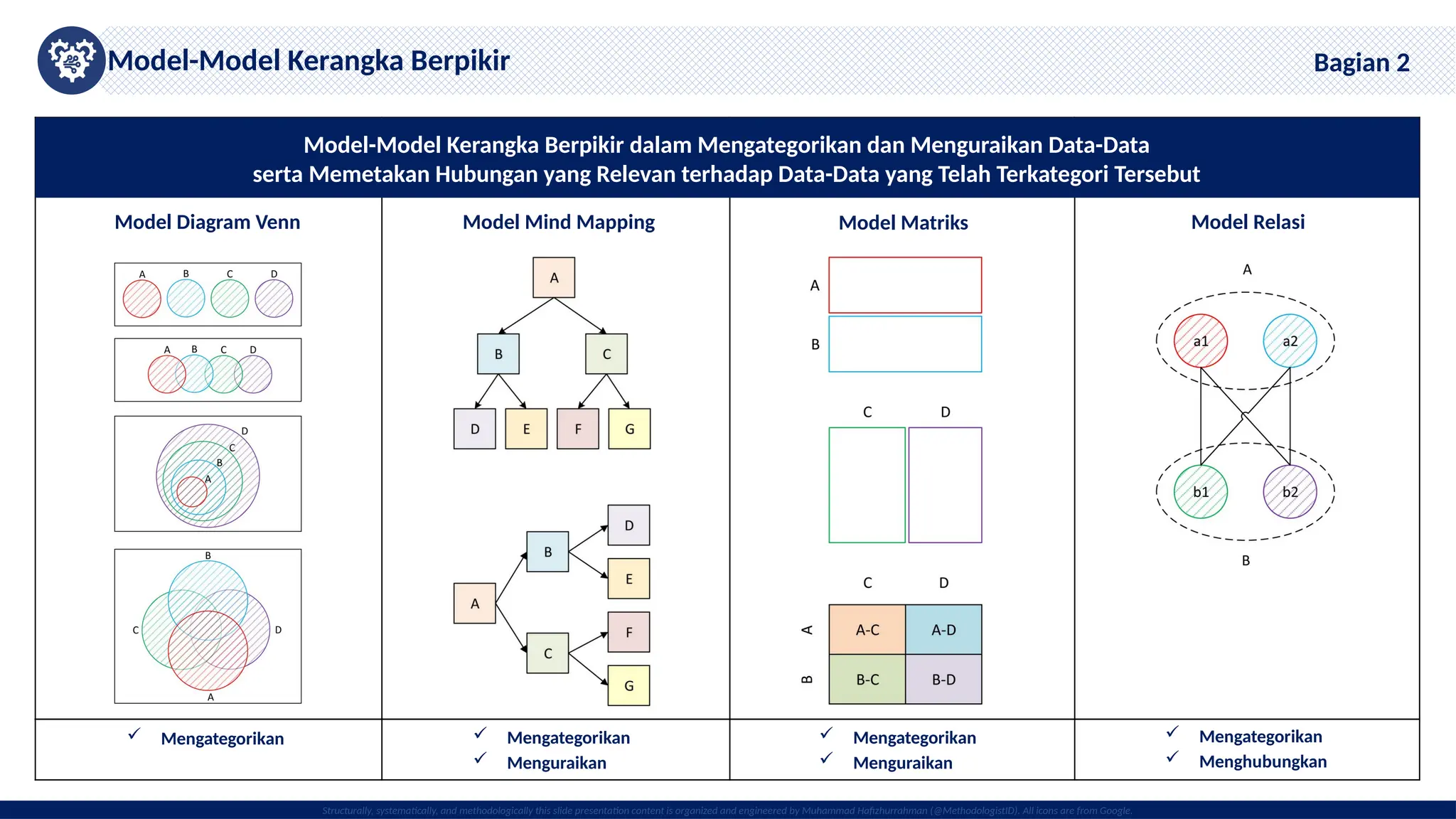
    Kerangka Berpikir Penelitian Kualitatif dan Cara Membuatnya - Lenggok Media

    Cloud ERP (Enterprise Resource Planning) systems represent a transformative approach for organizations looking to optimize their business processes through integrated software solutions. Unlike traditional ERP systems that typically require on-premise infrastructure, cloud ERP operates via the internet, enabling seamless access to functionalities from virtually anywhere. This fundamental shift allows businesses to leverage the scalability, flexibility, and cost-effectiveness that cloud computing offers, making it an increasingly popular choice for companies aiming for digital transformation.At the core of cloud ERP systems are several key components that enhance operational efficiency.

    These components include modules for finance, human resources, supply chain management, and customer relationship management, all designed to work together harmoniously. The integration of these modules ensures that data flows effortlessly across departments, reducing silos and enabling informed decision-making. Additionally, cloud ERP systems are built on a multi-tenant architecture, which allows multiple organizations to share the same infrastructure while keeping their data isolated and secure.

    This model not only reduces costs associated with maintaining separate systems but also facilitates regular updates and improvements to the software without significant downtime.

    Differences Between Traditional ERP Systems and Cloud ERP Systems

    Understanding the distinctions between traditional ERP systems and cloud ERP systems is crucial for organizations considering an upgrade or a shift in their operational strategy. Traditional ERP systems often involve significant upfront investments in infrastructure and hardware, along with long implementation times. In contrast, cloud ERP systems typically require a lower initial investment, as they leverage the cloud provider’s infrastructure.

    This leads to quicker deployment times, allowing businesses to realize the benefits sooner.Another notable difference is the maintenance and support aspect. Traditional ERP systems usually require in-house IT teams to handle maintenance, updates, and troubleshooting, which can lead to resource strain. Conversely, cloud ERP systems shift this responsibility to the service provider, allowing internal teams to focus on core business functions.

    Additionally, cloud ERP solutions often come with built-in scalability, enabling companies to easily scale their operations in response to growth or changes in demand without the need for significant additional investments.The architecture of cloud ERP systems plays a crucial role in supporting diverse business processes. Typically, these systems employ a layered architecture consisting of presentation, application, and database layers. The presentation layer provides the user interface, allowing for easy interaction, while the application layer contains the business logic and processes.

    The database layer securely stores all data, ensuring that information is easily accessible but also protected. This structure enhances reliability, as updates to one layer do not necessitate changes across the entire system, thereby minimizing disruptions to business activities.

    Benefits of Implementing Cloud ERP Systems for Businesses

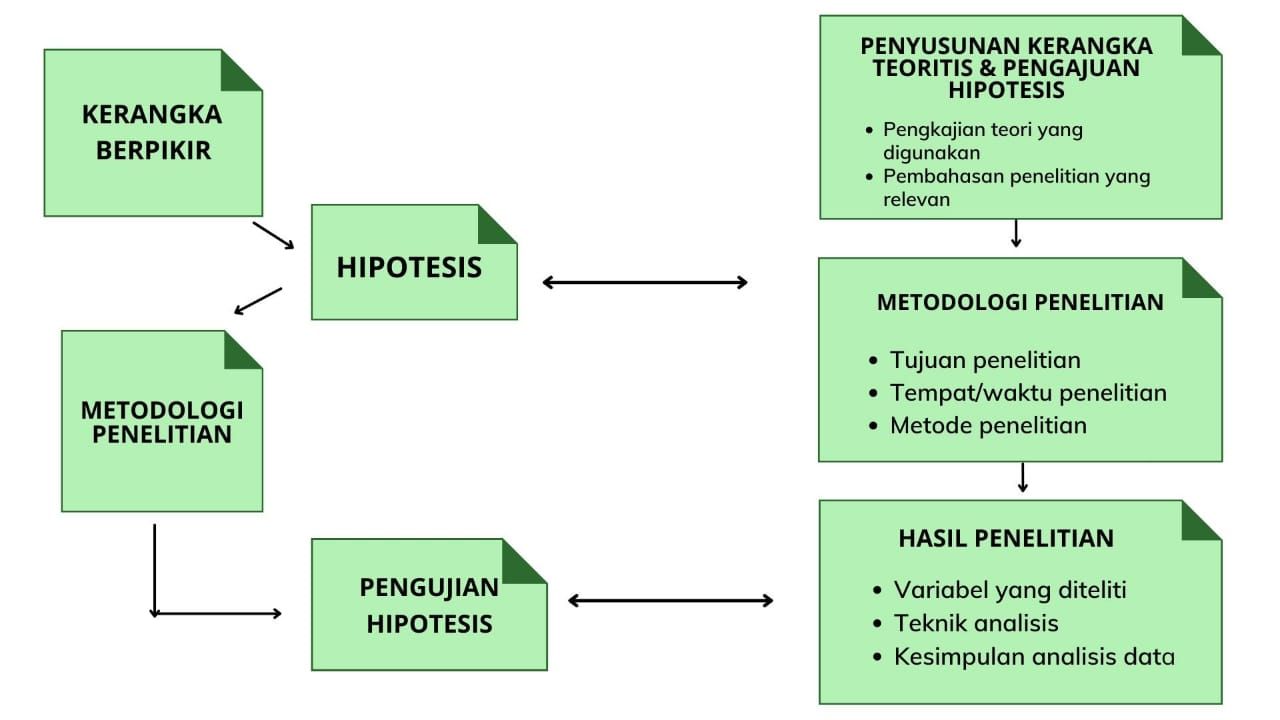
    Pengertian Kerangka Pemikiran: Cara Membuat Beserta Contohnya

    Cloud ERP systems bring a multitude of benefits to organizations, fundamentally transforming how they operate, manage resources, and strategize growth. By integrating various business functions into a single platform accessible from anywhere, these systems enhance operational efficiency and decision-making.The advantages of adopting cloud ERP systems span across improved collaboration, cost savings, and enhanced data accessibility. Organizations can harness these benefits to streamline operations and drive growth.

    Advantages of Cloud ERP Systems

    Implementing cloud ERP systems can significantly change the dynamics of how businesses function. Below are key advantages that organizations experience:

    • Cost Efficiency: Cloud ERP solutions typically reduce the need for extensive hardware investments and IT maintenance, allowing businesses to allocate resources more effectively.
    • Accessibility: With cloud-based systems, users can access information from anywhere with an internet connection, fostering collaboration among remote teams.
    • Automatic Updates: Cloud ERP providers often handle system updates and maintenance, ensuring that businesses always operate with the latest features without downtime.
    • Data Security: Leading cloud ERP solutions offer robust security measures, including data encryption and regular backups, to protect sensitive business information.
    • Improved Analytics: Advanced data analytics tools integrated into cloud ERP systems help organizations make informed decisions based on real-time data insights.

    Scalability and Its Impact on Business Growth

    Scalability is a pivotal feature of cloud ERP systems, allowing businesses to easily adjust their resources according to demand. As companies grow and evolve, their operational needs may change, requiring quick adaptations that traditional systems often struggle to accommodate. The scalability of cloud ERP systems enables organizations to:

    • Add Users and Modules: Businesses can seamlessly add users or modules to their ERP system as they expand, ensuring that operational capabilities keep pace with growth.
    • Adjust Storage and Computing Power: Companies can scale their data storage and processing power on demand, optimizing performance without significant upfront investments.
    • Enhance Customer Experience: With increased capacity, businesses can better serve their customers, adapting to market trends and demands swiftly.

    Real-World Examples of Successful Cloud ERP Implementation

    Numerous organizations across various industries have successfully leveraged cloud ERP systems to enhance operational efficiency and drive growth. Notable examples include:

    • Netflix: The entertainment giant uses cloud ERP to manage its extensive content library and subscriber data efficiently, allowing for scalable operations that match its growth trajectory.
    • GE: General Electric has implemented cloud ERP systems to streamline its supply chain and manufacturing processes, resulting in increased efficiency and reduced costs.
    • Salesforce: As a leading CRM provider, Salesforce utilizes its own cloud ERP solutions to manage internal processes, showcasing the effectiveness and reliability of cloud-based systems in real-time operations.

    By adopting cloud ERP systems, organizations are not just optimizing their current processes but are also positioning themselves for sustained growth and adaptability in the ever-evolving business landscape.

    Key Features to Look for in Cloud ERP Solutions

    In today’s competitive business landscape, selecting the right cloud ERP (Enterprise Resource Planning) system is crucial for operational efficiency and growth. A robust cloud ERP solution is designed to streamline various business processes, enhance productivity, and provide real-time insights into organizational performance. Knowing the key features to look for can significantly impact the effectiveness of the software in meeting your business needs.A strong cloud ERP system should offer a suite of functionalities that cater to various aspects of business management.

    These include financial management, supply chain management, customer relationship management, and human resources capabilities, among others. In addition to essential functionalities, ease of use is paramount. User-friendly interfaces and customizable dashboards enable employees to navigate the system efficiently and access the information they need without extensive training.

    Essential Functionalities in Cloud ERP

    Several functionalities are integral to a cloud ERP solution, and understanding their importance can help businesses leverage the system for maximum benefit. Consider the following essential features:

    • Financial Management: This feature helps in tracking financial transactions, managing budgets, and generating reports for informed decision-making.
    • Supply Chain Management: Effectively manage inventory, procurement, and logistics to enhance efficiency and reduce costs.
    • Customer Relationship Management (CRM): Tools for managing customer interactions, sales tracking, and service support to improve customer satisfaction.
    • Human Resource Management: Streamline HR processes including recruitment, payroll, and employee performance tracking.
    • Data Analytics: Real-time reporting and analytics capabilities to derive insights from data and support strategic planning.

    The importance of user-friendly interfaces and customizable dashboards cannot be overstated. These elements allow users to personalize their experience, accessing key data at a glance without navigating through complex menus. A well-designed dashboard can simplify decision-making processes by presenting essential information clearly and concisely.

    Comparison of Popular Cloud ERP Systems

    When choosing a cloud ERP solution, comparing different systems based on key features can help in making an informed decision. The table below showcases some popular cloud ERP systems, highlighting their features, pricing, scalability, and customer support options.

    Cloud ERP System Price Range Scalability Customer Support
    Oracle NetSuite $$$ High 24/7 Support
    SAP S/4HANA $$$ Very High Dedicated Account Manager
    Microsoft Dynamics 365 $$ High Email & Chat Support
    Infor CloudSuite $$ Moderate Online Resources
    Zoho ERP $ Low Email Support

    “Selecting the right cloud ERP system can lead to enhanced efficiency, reduced operational costs, and improved decision-making across the organization.”

    Understanding these key features and comparing popular systems can empower businesses to choose a cloud ERP solution that aligns with their operational requirements and growth aspirations.

    Challenges in Transitioning to Cloud ERP Systems

    Transitioning from on-premise ERP systems to cloud-based solutions can be a complex endeavor for organizations. The shift involves not only technological changes but also significant adjustments in processes, culture, and management practices. Understanding the unique challenges faced during this transition is essential for a successful migration.

    Common Obstacles in Migration

    Organizations often encounter several hurdles when migrating to cloud ERP systems. These challenges can impact timelines, budgets, and overall effectiveness of the transition. Key obstacles include:

    • Resistance to Change: Employees may be accustomed to existing systems and processes, leading to reluctance in adopting a new framework. This resistance can hinder engagement and slow down the transition process.
    • Integration Issues: Integrating cloud ERP solutions with existing applications and data sources often proves challenging. Organizations need to ensure compatibility and data flow between systems to avoid disruptions.
    • Cost Considerations: While cloud solutions may offer long-term savings, initial costs can be high due to implementation, training, and operational adjustments. Proper financial planning is crucial to manage these expenses.
    • Loss of Control: Moving to cloud-based ERP can mean relinquishing some control over data management and infrastructure. This can raise concerns about reliability and responsiveness to organizational needs.

    Data Security Concerns and Risk Mitigation

    Data security is a paramount concern for organizations adopting cloud ERP systems. Companies must navigate the complexities of protecting sensitive information while leveraging the benefits of cloud technology. To mitigate risks associated with data security, organizations can adopt the following strategies:

    • Conduct Thorough Assessments: Regularly evaluate cloud service providers for their security protocols, compliance with data protection regulations, and certifications.
    • Implement Robust Access Controls: Establish strict user access controls to limit who can view or manipulate data, ensuring that only authorized personnel have access to sensitive information.
    • Utilize Encryption: Encrypt data both at rest and in transit to protect it from unauthorized access. This adds an additional layer of security against potential breaches.
    • Establish Incident Response Plans: Develop clear procedures for responding to data breaches or security incidents. This preparedness can minimize damage and ensure swift recovery.

    Effective Change Management Strategies

    Managing change effectively during the transition to a cloud ERP system is critical for success. Organizations can implement the following strategies to facilitate a smooth transition:

    • Engage Stakeholders: Involve key stakeholders early in the process to gather input and foster a sense of ownership. This collaborative approach can enhance buy-in and support for the new system.
    • Provide Comprehensive Training: Offer thorough training programs to ensure users are comfortable with the new ERP system. Tailored training sessions can help address specific needs and bridge knowledge gaps.
    • Communicate Transparently: Maintain open lines of communication throughout the transition. Regular updates about progress, challenges, and timelines can help manage expectations and reduce anxiety.
    • Monitor and Adapt: Continuously assess the transition process and be willing to make adjustments as needed. Gathering feedback from users can provide insights for ongoing improvements.

    Future Trends in Cloud ERP Technology

    Kemampuan Berpikir Tingkat Tinggi (HOTS), Perancangan Kerangka Kerja ...

    As businesses continue to adapt to rapidly changing market conditions, cloud ERP technology is evolving to meet new demands. In the next five years, several emerging technologies are set to transform cloud ERP systems, enhancing their functionalities and usability. Understanding these trends will help organizations prepare for what’s ahead and leverage these advancements for greater efficiency and competitiveness.

    Emerging Technologies Impacting Cloud ERP

    The landscape of cloud ERP is being reshaped by various emerging technologies. Companies need to recognize and adapt to these trends to stay competitive. Key technologies expected to influence cloud ERP systems include:

    • Artificial Intelligence (AI): AI is becoming a core component of cloud ERP systems, enhancing data analysis, automating routine tasks, and providing insights that drive decision-making.
    • Machine Learning (ML): ML algorithms help ERP systems learn from historical data, leading to improved forecasting, inventory management, and customer relationship management.
    • Internet of Things (IoT): IoT devices collect real-time data that can be integrated into ERP systems, allowing for more accurate tracking of assets and improved supply chain management.
    • Blockchain Technology: Blockchain is enhancing data security and transparency in transactions, making supply chains more reliable and verifiable.
    • Advanced Analytics: The integration of advanced analytics tools enables businesses to derive deeper insights from their data, aiding in strategic planning and operations.

    The Role of AI and Machine Learning in Cloud ERP

    Artificial intelligence and machine learning are pivotal in enhancing the functionalities of cloud ERP systems. By automating tedious tasks, these technologies allow human resources to focus on strategic initiatives rather than routine operations.

    “AI-driven tools can analyze massive datasets to identify trends and patterns that would be impossible to detect manually.”

    Businesses are increasingly utilizing AI for:

    • Predictive Analytics: AI models predict future trends, enabling businesses to make informed decisions regarding inventory, sales, and resource allocation.
    • Personalized User Experiences: Machine learning helps tailor user interfaces and features based on individual user interactions, improving overall user satisfaction.
    • Automated Customer Interactions: Chatbots and virtual assistants powered by AI are employed to handle customer inquiries and support, enhancing customer experience and reducing response times.

    Preparing for the Evolving Landscape of Cloud ERP

    To thrive in the future of cloud ERP systems, businesses must be proactive in their approach. It is essential to focus on several strategies to prepare for upcoming changes:

    • Invest in Training: Continuous training and development of staff in new technologies will ensure they are equipped to utilize advanced ERP features effectively.
    • Embrace Flexibility: Organizations should adopt flexible cloud solutions that can easily integrate with new technologies as they emerge.
    • Focus on Data Security: As cloud ERP systems become more sophisticated, so do security threats. Implementing robust security measures is crucial to protect sensitive data.
    • Stay Informed: Keeping abreast of industry trends and technological advancements will allow businesses to adapt their strategies and systems accordingly.

    Selecting the Right Cloud ERP Vendor for Your Business

    MATERI KERANGKA BERFIKIR ILMIAH - ManawaLOG

    Choosing the right Cloud ERP vendor is pivotal for any organization looking to modernize its operations and drive efficiency. With numerous options available in the market, the selection process can appear daunting. However, by focusing on key criteria and understanding the specific needs of your business, you can make an informed decision that supports your long-term goals.Identifying the right vendor involves evaluating several essential criteria that can significantly impact the success of your ERP implementation.

    These include the vendor’s industry experience, software scalability, security features, and integration capabilities. A thorough assessment of these attributes will ensure that the chosen vendor aligns well with your organization’s unique requirements and future ambitions.

    Key Criteria for Selecting a Cloud ERP Vendor

    Understanding the specific criteria that matter most for your needs will streamline the selection process. These criteria include:

    • Industry Experience: The vendor should possess relevant experience in your industry, demonstrating a solid understanding of your unique operational challenges and requirements.
    • Scalability: A strong vendor must offer scalable solutions that can grow alongside your business, accommodating increases in user count and transaction volume without compromising performance.
    • Security Standards: Examine the vendor’s security measures, including data encryption, compliance with regulations, and disaster recovery processes, to ensure your data is protected.
    • Integration Capabilities: The ability to integrate seamlessly with existing systems is essential. Investigate the vendor’s API capabilities and existing integration partnerships.

    Evaluating Vendor Reliability and Support Services

    Evaluating a vendor’s reliability goes beyond just their offerings; it involves scrutinizing their customer service and support infrastructure. Reliable vendors provide robust support services that ensure smooth operations post-implementation. Here are some methods to assess their support effectiveness:

    • Response Times: Investigate the vendor’s average response times for support inquiries, which reflects their commitment to customer service.
    • Customer Reviews: Look for independent reviews and testimonials from current clients to gauge satisfaction levels and service quality.
    • Service Level Agreements (SLAs): Review SLAs that Artikel agreed-upon performance metrics, including uptime guarantees and support availability.

    Importance of Understanding the Vendor’s Product Development Roadmap

    A clear understanding of a vendor’s product development roadmap is crucial for ensuring that the solution will meet your evolving needs. A vendor with a robust roadmap demonstrates their commitment to innovation and continuous improvement. This insight helps you anticipate future capabilities and assess whether the vendor can keep pace with industry trends.

    “A well-defined product roadmap not only showcases the vendor’s vision but also reassures you that your investment will remain relevant in the long term.”

    By considering these factors, you can make a more informed decision when selecting a cloud ERP vendor that will not only meet your immediate needs but also support your organization’s growth and adaptation in an ever-changing business landscape.

    Integration of Cloud ERP Systems with Other Business Applications

    Kemampuan Berpikir Tingkat Tinggi (HOTS), Perancangan Kerangka Kerja ...

    The integration of cloud ERP systems with other business applications is a crucial aspect of modern business operations. With the increasing reliance on various software solutions for different business functions, ensuring that these systems work in harmony can significantly enhance overall efficiency and productivity. Integration capabilities allow organizations to streamline processes, reduce redundancies, and improve data accuracy across platforms.A unified data strategy is essential when integrating cloud ERP with CRM and supply chain systems.

    This approach not only ensures that all departments have access to the same accurate data, but it also enhances collaboration and decision-making. By aligning the data from various sources, businesses can achieve greater insights into customer behavior, inventory levels, and operational efficiency, leading to more informed strategies and improved customer service.

    Tools and Methodologies for Effective Integration

    Several tools and methodologies can facilitate the effective integration of cloud ERP systems with other business applications. These options help ensure seamless data flow and functionality among various platforms.The significance of employing the right tools cannot be overstated. Effective integration reduces manual input errors, enhances real-time data accessibility, and supports scalability as business needs evolve. Here are some key tools and methodologies commonly used:

    • API Management Platforms: These platforms enable organizations to connect different software systems through Application Programming Interfaces (APIs), allowing for real-time data exchange.
    • Middleware Solutions: Middleware acts as a bridge between different applications, facilitating communication and data transfer without requiring changes to existing systems.
    • ETL Tools: Extract, Transform, Load (ETL) tools allow businesses to consolidate data from various sources into their cloud ERP, providing a unified view of information.
    • Integration Platform as a Service (iPaaS): iPaaS solutions provide a cloud-based platform for integrating applications and data across different environments efficiently.
    • Custom Development: Sometimes, tailor-made integration solutions are necessary to meet specific business needs or to connect legacy systems with new cloud applications.

    Integrating cloud ERP with other business applications not only streamlines operations but also enhances overall data accuracy and decision-making capabilities.

  • Erp Software Vendors Top Solutions For Every Business

    With erp software vendors leading the charge in business technology, organizations are witnessing a transformative shift that streamlines operations and enhances efficiency. The landscape is bustling with various vendors, each offering unique features tailored to specific industries while vying for the top position in the market. As businesses increasingly recognize the need for integrated solutions, understanding the strengths and differentiators of these vendors becomes essential.

    This discussion delves into the top ERP software vendors, highlighting their key features and target markets, the importance of cloud technology, and the essential support systems that ensure successful implementation. By examining these aspects, businesses can make informed decisions about which ERP solutions align best with their needs and goals, paving the way for improved operational performance and competitiveness.

    Identifying the Top ERP Software Vendors in the Market

    Best Pet Grooming Business Plan | Vondy

    In the ever-evolving landscape of enterprise resource planning (ERP) software, several vendors stand out due to their innovative solutions and robust capabilities. As businesses strive to streamline operations, enhance productivity, and leverage data for informed decision-making, selecting the right ERP vendor becomes crucial. This overview highlights the leading ERP software vendors, their key features, and the industries they cater to, laying the groundwork for informed choices in ERP implementation.The criteria for ranking ERP vendors often include factors such as market share, customer satisfaction, feature set, scalability, and industry-specific solutions.

    Vendors are positioned based on their strengths in these areas, ensuring businesses can find a solution that aligns with their unique needs. Below are some of the top vendors in the market today, along with their unique selling propositions.

    Leading ERP Vendors and Their Features

    The following list details some of the top ERP software vendors in the market, providing insights into their key features and target industries:

    • SAP S/4HANA
      • Key Features: Real-time analytics, integrated business processes, advanced machine learning capabilities.
      • Target Industries: Manufacturing, automotive, retail, and finance.
    • Oracle ERP Cloud
      • Key Features: Comprehensive financial management, project management, real-time reporting, and compliance capabilities.
      • Target Industries: Healthcare, education, and public sector.
    • Microsoft Dynamics 365
      • Key Features: Flexible cloud-based solutions, integrated CRM functions, and user-friendly interface.
      • Target Industries: Retail, manufacturing, and professional services.
    • Infor CloudSuite
      • Key Features: Industry-specific solutions, advanced analytics, and a strong emphasis on user experience.
      • Target Industries: Healthcare, manufacturing, and distribution.
    • NetSuite
      • Key Features: Cloud-based ERP with financial management, e-commerce capabilities, and inventory management.
      • Target Industries: E-commerce, professional services, and wholesale distribution.

    “Choosing the right ERP software is not just about the features; it’s about how well it aligns with your business goals.”

    The unique selling propositions of these vendors greatly influence their market presence. For instance, SAP S/4HANA’s ability to offer real-time insights and integrated processes makes it particularly appealing for large enterprises seeking comprehensive solutions. Oracle ERP Cloud emphasizes robust financial management and compliance functionalities, making it a favorite in regulated industries. Meanwhile, Microsoft Dynamics 365 stands out for its flexibility and integration capabilities, catering to a diverse range of businesses.Understanding the positioning of these vendors allows organizations to make strategic decisions that align with their operational needs and future growth.

    As the ERP landscape continues to evolve, these vendors remain at the forefront, driving innovation and delivering value to their clients.

    The Essential Features of ERP Software Solutions

    Dog Grooming Business Startup Kit | Launch Checklist Price List ...

    In today’s fast-paced business environment, Enterprise Resource Planning (ERP) software has become an indispensable tool for organizations seeking efficiency and streamlined operations. ERP systems integrate various functions into one complete system to streamline processes and information across the organization. Understanding the essential features of ERP software solutions can help businesses make informed choices that enhance their productivity and growth.One of the hallmark characteristics of ERP software is its ability to provide a centralized database.

    This functionality allows all departments—be it sales, finance, human resources, or supply chain—to access consistent and accurate data. Furthermore, real-time data access ensures that decision-makers have the most up-to-date information available, facilitating timely and informed decisions. Other essential features include:

    • Financial Management: This feature includes budgeting, accounting, and financial reporting tools to manage the organization’s financial health.
    • Human Resource Management: ERP solutions often include tools for employee management, payroll, recruitment, and performance tracking to streamline HR processes.
    • Supply Chain Management: This functionality helps businesses manage their supply chain activities, from procurement to inventory control and logistics.
    • Customer Relationship Management (CRM): Integrated CRM functionalities help track customer interactions, sales trends, and service issues, enhancing customer satisfaction and retention.
    • Manufacturing and Production: For manufacturing businesses, ERP systems offer production planning, scheduling, and quality control modules, ensuring resource optimization.

    Customization and scalability are paramount in ERP solutions, as businesses often have unique processes and ever-changing needs. A one-size-fits-all approach does not work in today’s dynamic landscape. Customizable ERP solutions allow organizations to tailor functionalities to meet specific operational requirements. For instance, a manufacturing company may need advanced inventory management, while a retail business may prioritize point-of-sale integrations. Scalability ensures that as a business grows—be it through increased production, new locations, or additional services—the ERP system can evolve without requiring a complete overhaul.

    This adaptability mitigates operational disruptions and allows businesses to invest in their growth sustainably. Different industries benefit from specific ERP functionalities that cater to their unique challenges. For example:

    • Healthcare: ERP systems can include patient management modules, compliance tracking, and inventory management for medical supplies.
    • Construction: Construction firms may require project management features, budget tracking, and resource allocation tools.
    • Retail: Retail businesses benefit from integrated e-commerce capabilities, customer loyalty programs, and real-time inventory tracking.
    • Food and Beverage: This industry may need features for recipe management, compliance with food safety regulations, and supply chain traceability.

    When selecting an ERP system, it is crucial to assess how well it can adapt to the specific needs of your industry and the future growth plans of your business. A well-implemented ERP solution can significantly enhance operational efficiency, drive innovation, and provide a competitive edge.

    The Role of Cloud Technology in ERP Software

    Backlog Grooming Best Practices | Railsware Blog

    The integration of cloud technology into ERP solutions has fundamentally reshaped how businesses operate. This transformation has not only improved accessibility but has also streamlined various processes, making it easier for companies to adapt to changing market demands. As organizations increasingly embrace digital transformation, cloud-based ERP systems have become essential tools for achieving efficiency and scalability.Cloud technology has offered numerous advantages over traditional on-premise systems.

    The primary benefit is the flexibility that cloud ERP solutions provide, allowing businesses to scale their resources according to their needs. With cloud ERP, organizations can access their data and applications from anywhere, at any time, fostering greater collaboration among teams. Furthermore, the cost structure of cloud technology is often more appealing, with subscription-based models reducing the need for significant upfront capital expenditures on hardware and software.

    Security Measures in Cloud-Based ERP Solutions

    As organizations migrate to the cloud, concerns about data security become paramount. ERP vendors have implemented robust security measures to protect sensitive information stored in cloud-based systems. These measures typically include:

    • Data Encryption: All data transmitted between users and the cloud is encrypted using advanced encryption protocols, ensuring that sensitive information remains protected during transit.
    • Access Control: Role-based access controls allow organizations to define who can access specific data and functionalities, minimizing the risk of unauthorized access.
    • Regular Security Audits: Vendors conduct routine security assessments and audits to identify potential vulnerabilities and ensure compliance with industry standards.
    • Data Backup and Recovery: Cloud ERP solutions often include automated backup services, ensuring that data can be restored quickly in case of loss or corruption.
    • Compliance Standards: Many ERP vendors adhere to strict compliance frameworks such as GDPR, HIPAA, and ISO 27001, providing businesses with assurances regarding data protection.

    The implementation of these security measures not only safeguards data but also builds trust among users, enabling organizations to fully leverage the benefits of cloud-based ERP systems.

    Performance and Accessibility of Cloud-Based Solutions

    When comparing traditional on-premise ERP systems with cloud-based solutions, performance and accessibility are significant differentiators. On-premise systems often require substantial investments in hardware and ongoing maintenance, which can lead to performance bottlenecks as user demands increase. In contrast, cloud ERP solutions are designed for scalability, allowing businesses to easily adapt to growing user bases or data volumes without the same level of investment.Cloud ERP solutions also offer higher levels of accessibility than their on-premise counterparts.

    Employees can access the system from various devices—laptops, tablets, or smartphones—regardless of their location. This accessibility fosters a more agile workforce, enabling real-time data access and collaboration across departments.

    “The future of ERP lies in the cloud, where flexibility, accessibility, and security come together to drive business success.”

    In summary, the emergence of cloud technology has revolutionized the ERP landscape, providing organizations with powerful tools to enhance their operations. By prioritizing security and offering unparalleled performance and accessibility, cloud-based ERP solutions are set to define the next generation of enterprise resource planning.

    Evaluating ERP Software Vendor Support and Customer Service

    Vendor support plays a crucial role in the successful implementation and ongoing use of ERP systems. The effectiveness of an ERP solution is significantly influenced by the level of assistance and service provided by the vendor. Proper vendor support can ease the transition, help troubleshoot issues quickly, and ensure users maximize the software’s potential.The types of support offered by ERP vendors can vary widely but typically include training, technical support, and troubleshooting options.

    These services are vital for organizations to fully leverage their ERP systems and to resolve any arising challenges promptly. A robust support structure can enhance user satisfaction and adoption rates, leading to a more successful ERP experience.

    Types of Support Offered by Vendors

    A comprehensive support system consists of various components that cater to different needs of the organization. Here’s a breakdown of the most common types of vendor support:

    • Onboarding and Training: Most vendors offer comprehensive training programs for new users, which may include online tutorials, in-person workshops, or user manuals. Effective training can significantly reduce the learning curve and enhance productivity.
    • Technical Support: This includes access to help desks or support teams that can assist with software-related issues, often available via phone, email, or live chat. Quick response times are essential in minimizing operational downtime.
    • Regular Updates and Maintenance: Vendors typically provide ongoing updates to their software to enhance performance and security. Ensuring that users are kept informed about these updates is crucial for optimal system functionality.
    • Community Forums and Resources: Many vendors facilitate user communities where customers can share experiences, tips, and best practices. This creates a support network beyond the vendor itself.

    Vendor performance can be gauged through customer feedback and satisfaction ratings. Positive reviews often highlight the responsiveness of the support teams and the effectiveness of the training conducted. For instance, a well-known ERP vendor received feedback indicating that 90% of users rated their support as excellent, especially noting the promptness in resolving issues.

    “Effective vendor support is not just about resolving issues; it’s about empowering users to make the most of their ERP system.”

    The landscape of vendor support not only reflects the quality of the ERP product but also the vendor’s commitment to customer satisfaction. Organizations should prioritize vendor support as a key factor when choosing an ERP provider, as it directly impacts their overall experience and success with the system.

    The Cost Structure of ERP Software Vendors

    Understanding the cost structure of ERP software vendors is crucial for businesses considering implementation. The financial implications extend beyond the initial purchase price, encompassing various pricing models and hidden costs that can significantly impact a company’s total expenditure over time.

    Pricing Models Used by ERP Vendors

    ERP vendors typically employ different pricing models to cater to the diverse needs of organizations. The two most common models are subscription and perpetual licensing.

    • Subscription Licensing: This model involves paying a recurring fee, often monthly or annually, for access to the software. It allows businesses to avoid large upfront costs and enables them to scale their operations based on changing needs. Major vendors like SAP and Oracle have started offering cloud-based subscription options, making it easier for companies to integrate ERP systems without substantial initial investment.

    • Perpetual Licensing: In this model, businesses pay a one-time fee for lifetime access to the software. While it may seem advantageous at first, associated costs such as maintenance, support, and upgrades can accumulate significantly over time, leading to high long-term expenses.

    Hidden Costs Associated with ERP Implementations

    When planning for an ERP implementation, it is essential to consider not just the visible costs but also the hidden expenses that may arise. These often overlooked costs can affect the overall budget and should be factored into financial planning.

    • Training Costs: Organizations often underbudget for user training, which is crucial for ensuring that employees can effectively utilize the ERP system. Effective training reduces errors and improves productivity, but it often requires substantial investment.
    • Customization and Integration Costs: Many businesses require specific customizations or integrations with existing systems. These add-ons can lead to significant additional costs that may not be apparent in the initial quotes from vendors.
    • Ongoing Maintenance and Support Fees: Post-implementation, companies need to budget for continuous support and system updates, which can vary depending on the vendor and the complexity of the system.
    • Data Migration Costs: Transferring data from legacy systems to a new ERP solution can be complex and costly, especially if there is a large volume of data or if data quality issues exist.

    Breakdown of Total Cost of Ownership for Different ERP Solutions

    The total cost of ownership (TCO) for ERP solutions varies significantly based on factors like the chosen model, implementation scale, and ongoing maintenance. Understanding the TCO provides businesses with insights into long-term financial commitments.

    ERP Solution Type Initial Cost (Year 1) Ongoing Costs (Years 2-5) Total Cost Over 5 Years
    On-Premise ERP $100,000 $30,000/year $250,000
    Cloud-Based ERP $20,000 $10,000/year $70,000
    Hybrid ERP $50,000 $15,000/year $125,000

    “Understanding the total cost of ownership is crucial for making informed decisions regarding ERP investments.”

    Careful evaluation of these costs, including the hidden ones, ensures that businesses can budget appropriately for their ERP projects and avoid surprises down the line.

    Understanding ERP Software Implementation Challenges

    Implementing an ERP system can be a transformative journey for businesses, but it doesn’t come without its hurdles. Organizations often face various challenges that can impede a smooth transition. Recognizing these challenges early can help in formulating effective strategies to overcome them and ensure a successful implementation.One of the primary difficulties businesses encounter during ERP implementation is resistance to change among employees.

    This challenge stems from the fear of the unknown and the potential disruption of established workflows. To combat this, effective change management strategies must be put in place. Change management involves preparing, supporting, and helping individuals make organizational changes. By fostering open communication, providing training, and highlighting the benefits of the new system, organizations can ease employee concerns and promote adoption.

    Common Challenges Faced During ERP Implementation

    Several recurring challenges can arise during the ERP implementation process. Understanding these can help organizations prepare and adapt effectively. Below are some common challenges along with strategies to address them:

    • Lack of Clear Objectives: Without clear goals for what the ERP system should achieve, teams may struggle to align their efforts. It’s crucial to define specific, measurable objectives at the outset.
    • Underestimating Resource Requirements: Many businesses overlook the time, budget, and human resources needed for implementation. A comprehensive resource plan should be developed early on, covering all aspects of the project.
    • Data Migration Issues: Transferring data from legacy systems to a new ERP can be fraught with errors and inconsistencies. Conducting thorough data cleansing and validation before migration is essential.
    • Integration Complexity: Integrating ERP with existing systems can pose significant challenges. It’s vital to assess compatibility and prepare for potential integration hurdles during the planning phase.
    • Training Deficiencies: Insufficient training can lead to user frustration and low adoption rates. Investing in comprehensive training programs tailored to different user levels can mitigate this issue.
    • Change Resistance: Employees might resist the changes brought by new systems. Engaging stakeholders early and fostering a culture of openness can help alleviate fears and encourage buy-in.

    The Role of Change Management in ERP Adoption

    Change management is pivotal for the successful adoption of ERP software. It focuses on preparing and supporting individuals and teams during the transition. A well-structured change management plan can significantly enhance the likelihood of a successful implementation by addressing the human factor associated with technology changes. Key components of effective change management include:

    • Effective Communication: Regular updates about the implementation process can help alleviate anxieties and clarify expectations among employees.
    • Stakeholder Engagement: Involving those who will use the ERP in the decision-making process fosters a sense of ownership and reduces resistance.
    • Training and Support: Providing ongoing training and support ensures users are comfortable and proficient with the new system, which can boost confidence and productivity.
    • Feedback Mechanisms: Establishing channels for feedback allows employees to voice concerns and suggest improvements, making them feel valued and heard.

    Conducting a Successful Needs Assessment Before Implementation

    A thorough needs assessment is crucial for a successful ERP implementation. This process helps in identifying the specific requirements of the organization and ensures that the chosen system aligns with those needs. The following methods can guide businesses in conducting an effective needs assessment:

    • Stakeholder Interviews: Engaging with key stakeholders through interviews helps gather insights about their needs and expectations from the ERP system.
    • Process Mapping: Analyzing current business processes can reveal inefficiencies and areas where the ERP can bring improvements, ensuring the system aligns with operational needs.
    • Surveys and Questionnaires: Distributing surveys can aid in collecting quantitative data on user requirements, preferences, and pain points across various departments.
    • Benchmarking: Studying how similar organizations have implemented ERP can provide valuable lessons and insights that inform the organization’s approach.

    Trends Shaping the Future of ERP Software Vendors

    Agile Methodology Diagram Free

    The landscape of ERP software is rapidly evolving, influenced by technological advancements and changing business needs. As companies strive for greater efficiency and innovation, ERP vendors are adapting their offerings to meet these demands. This discussion highlights some of the key trends that are transforming the world of ERP systems and how vendors are responding.

    Influence of Artificial Intelligence and Machine Learning

    Artificial intelligence (AI) and machine learning (ML) are pivotal in enhancing the capabilities of ERP systems. These technologies enable automation, predictive analytics, and intelligent decision-making. By integrating AI and ML, ERP vendors can offer solutions that not only streamline processes but also provide valuable insights into business operations.The implementation of AI in ERP systems allows for real-time data analysis, leading to improved forecasting and inventory management.

    For instance, companies can leverage AI algorithms to optimize supply chain operations, reducing costs and increasing efficiency. Furthermore, machine learning models can analyze historical data to predict future trends, helping businesses make informed decisions.

    Mobile Access and User Experience

    The demand for mobile access in ERP solutions has grown significantly as organizations embrace remote work and mobile operations. Modern ERP systems need to provide seamless access from various devices, ensuring that users can engage with their systems anytime, anywhere. This shift has led to a focus on enhancing user experience (UX), which is critical for user adoption and productivity.To cater to this trend, ERP vendors are investing in mobile-responsive designs and user-friendly interfaces.

    This includes providing intuitive dashboards, customizable features, and easy navigation. A positive user experience can lead to higher satisfaction levels and increased efficiency among employees, ultimately benefiting the organization.

    • Integration of voice recognition technology for hands-free operation.
    • Development of mobile applications that provide real-time notifications and updates.
    • Focus on security measures to protect sensitive data accessed via mobile devices.

    The increasing reliance on mobile devices in the workplace highlights the necessity for ERP systems to evolve. By prioritizing mobile access and UX, ERP vendors can ensure their offerings remain competitive and aligned with the needs of modern businesses.

    Case Studies of Successful ERP Implementation by Leading Vendors

    The implementation of ERP systems has transformed numerous businesses, allowing them to streamline operations, enhance productivity, and ultimately achieve higher profitability. Leading vendors provide powerful tools that, when leveraged effectively, can lead to significant improvements in a company’s performance. Let’s explore some compelling case studies that exemplify successful ERP implementations and the strategies used to maximize these investments.

    Manufacturing Sector Success: Siemens AG

    Siemens AG, a global technology company, implemented an ERP system to integrate its various business units and improve overall efficiency. By adopting SAP S/4HANA, Siemens aimed to enhance visibility across its operations, thus enabling real-time decision-making. The following strategies were key to their successful implementation:

    • Change Management: Siemens invested heavily in training programs to prepare employees for the transition, ensuring that staff were well-equipped to utilize the new system effectively.
    • Data Centralization: By centralizing data, Siemens achieved a single source of truth, which improved collaboration and reduced redundancies across departments.
    • Continuous Improvement: Siemens established a feedback loop to continuously refine and optimize their ERP processes post-implementation.

    As a result of this ERP integration, Siemens reported a

    20% reduction in operational costs

    and a significant increase in production efficiency, highlighting the measurable benefits of their strategic approach.

    Retail Transformation: Under Armour

    Under Armour, a leading sports apparel company, faced challenges in managing supply chain complexities as it scaled. To address these issues, the company implemented Oracle Cloud ERP. The following strategies facilitated their successful transition:

    • Scalability and Flexibility: Under Armour chose a cloud-based solution that provided the agility to adapt to changing market demands without major disruptions.
    • Data Analytics: Leveraging advanced analytics allowed Under Armour to gain insights into consumer behavior, which improved inventory management and forecasting.
    • Cross-Department Collaboration: The ERP system facilitated better communication between sales, marketing, and supply chain teams, creating a more cohesive approach to business operations.

    Through these strategic implementations, Under Armour achieved a

    30% increase in order fulfillment efficiency

    , showcasing the direct impact of their ERP investment on profitability.

    Healthcare Improvement: Cleveland Clinic

    Cleveland Clinic, a leading healthcare provider, sought to enhance its operational efficiency and patient care through an ERP system. By implementing Workday, they focused on integrating their financial and human resources into a single platform. The following strategies were crucial for their success:

    • Patient-Centric Approach: Cleveland Clinic emphasized integrating ERP solutions that directly supported patient care processes, ensuring that technology aligned with their core mission.
    • Employee Engagement: Extensive stakeholder engagement helped to identify needs and promote buy-in among staff, leading to more effective usage of the system.
    • Real-Time Reporting: The ability to access real-time data allowed management to make quicker decisions that benefited both operations and patient outcomes.

    This implementation led to a

    15% improvement in administrative efficiency

    and a better overall service experience for patients, emphasizing the comprehensive benefits of ERP systems in the healthcare sector.

  • Erp Solutions Provider Enhancing Modern Business Efficiency

    ERP solutions provider plays a pivotal role in today’s fast-paced business world, where efficiency and streamlined operations are paramount. These providers offer comprehensive software solutions that integrate various business processes, enabling organizations to operate more cohesively and respond swiftly to market demands. By leveraging the power of ERP systems, businesses can minimize redundancy, enhance data accuracy, and ultimately drive growth.

    From manufacturing to retail, industries of all kinds benefit from these tailored solutions. For instance, a manufacturing firm can greatly reduce its production time and improve resource allocation through effective ERP implementation. Similarly, retailers can manage inventory more efficiently, ensuring they meet customer demands without unnecessary delays. The significance of ERP solutions providers extends beyond mere software; they are partners in business transformation.

    The Role of ERP Solutions Providers in Modern Business Environments

    In today’s fast-paced business world, the role of ERP (Enterprise Resource Planning) solutions providers has become increasingly crucial. As organizations strive to enhance productivity and maintain a competitive edge, these providers play a vital role in integrating various functions of a business into a cohesive system. By offering centralized platforms that manage everything from inventory to customer relations, ERP solutions providers enable businesses to streamline operations and make data-driven decisions.ERP solutions facilitate seamless communication across various departments, minimizing redundancies and promoting efficiency.

    For instance, when sales, finance, and operations are interconnected through an ERP system, information flows freely, enabling quicker responses to market fluctuations and customer needs. This integration helps in reducing operational costs, improving resource management, and enhancing overall performance.

    Industries Benefiting from ERP Solutions

    Numerous industries have recognized the potential of ERP solutions to transform their operations and drive growth. The following sectors exemplify how ERP providers can significantly enhance operational efficiency:

    • Manufacturing: The manufacturing sector utilizes ERP systems to manage the supply chain, production schedules, and quality control processes. For example, companies like Siemens and Toyota leverage ERP software to ensure optimal production cycles and reduce waste.
    • Healthcare: In the healthcare industry, ERP systems streamline patient management processes, billing, and inventory control. Providers like Epic Systems offer integrated solutions that improve patient care and operational efficiency in hospitals and clinics.
    • Retail: Retailers benefit from ERP solutions by managing inventory, sales, and customer relationship management in real-time. For instance, Walmart uses ERP to maintain its vast supply chain and ensure product availability.
    • Construction: The construction industry employs ERP systems to handle project management, budgeting, and resource allocation. Companies like Bechtel utilize ERP software to track project timelines and manage subcontractors effectively.

    “ERP solutions are not just software; they are a strategic necessity for modern businesses looking to thrive in a competitive landscape.”

    By investing in ERP solutions, these industries can enhance their operational capabilities, respond swiftly to market demands, and ultimately drive profitability.

    Key Features to Look for in an ERP Solutions Provider

    Choosing the right ERP solutions provider is crucial for optimizing business operations and achieving sustainable growth. A robust ERP system can streamline processes, enhance data visibility, and improve decision-making. However, not all ERP providers are created equal. Identifying the essential features that align with your business needs is vital for maximizing the benefits of your ERP investment.A well-rounded ERP solution should deliver comprehensive functionality, adaptability, and user-friendliness.

    The following are key features that every business should consider when selecting an ERP provider, along with insights into how these elements can significantly impact operations and outcomes.

    Scalability and Flexibility

    Scalability ensures that the ERP system can grow alongside your business, accommodating increased data and users without compromising performance. A flexible ERP solution allows businesses to adapt workflows and processes to meet changing demands. This adaptability is particularly crucial in fast-paced industries where market conditions can shift rapidly.

    • Scalability enables businesses to add new modules or features as they expand, ensuring the system remains relevant over time.
    • Flexibility allows for customized workflows that align with specific operational needs, thereby enhancing efficiency and employee satisfaction.
    • Providers that offer cloud-based solutions can provide greater scalability options, allowing businesses to seamlessly increase resources.

    “A scalable ERP is not just a luxury; it is a necessity in a rapidly evolving business landscape.”

    User Experience and Interface

    User experience (UX) and interface design play a pivotal role in the effectiveness of an ERP system. An intuitive interface can significantly reduce the learning curve for new users, minimizing disruption during implementation.

    • A well-designed interface promotes ease of use, leading to higher adoption rates among employees.
    • Enhanced user experience can result in fewer errors and improved data accuracy, as employees are more proficient in navigating the system.
    • Providers that focus on UX often incorporate feedback mechanisms that allow continuous improvement of the software based on user input.

    “An intuitive user interface transforms an ERP from a daunting task into a valuable tool.”

    Customization Options

    Customization options are vital for tailoring the ERP system to the specific needs of a business. Different industries have unique requirements, and a one-size-fits-all approach can be limiting.

    • Providers that offer modular designs allow businesses to pick and choose functionalities that best fit their operations, optimizing the use of resources.
    • Customizable dashboards enable users to track key performance indicators that matter most to their departments, improving decision-making efficiency.
    • Integration capabilities with other software systems ensure that the ERP can evolve with the business environment, incorporating new tools and technologies.

    “Customization turns an ERP solution into a tailored fit for your business needs.”

    The Process of Selecting an ERP Solutions Provider

    Selecting an ERP solutions provider is a crucial decision for any business seeking to enhance its operations and streamline processes. A systematic approach ensures that organizations not only find the right fit but also align their strategic goals with the technology they choose. Here, we will Artikel the steps involved in the selection process, the evaluation criteria that matter, and the procurement methods available to businesses.

    Systematic Approach to ERP Selection

    A structured methodology can significantly enhance the likelihood of selecting the right ERP provider. The following steps should be undertaken:

    1. Define Business Needs

    Begin with a clear understanding of your organization’s requirements, including specific pain points and desired outcomes from the ERP system.

    2. Gather a Cross-Functional Team

    Involve stakeholders from various departments to ensure diverse perspectives and needs are considered.

    3. Conduct Market Research

    Evaluate potential providers by researching their offerings, market reputation, and client testimonials.

    4. Create a Request for Proposal (RFP)

    Draft a detailed RFP to solicit proposals from selected vendors, outlining your requirements and expectations.

    5. Evaluate Proposals

    Review the responses, focusing on how well each provider meets your criteria.

    6. Conduct Demos and Trials

    Organize demonstrations and trials to assess the usability and functionality of the systems.

    7. Negotiate Contracts

    Once a provider is selected, enter negotiations to finalize terms that are favorable to both parties.

    Evaluation Criteria for ERP Providers

    When assessing potential ERP solutions, it is vital to consider several critical evaluation criteria to ensure the chosen system aligns with organizational needs:

    Feature Set

    Consider the core functionalities and advanced features offered by the ERP, ensuring they cater to your industry-specific requirements.

    Scalability

    Ensure the solution can grow alongside your business, accommodating future needs without significant overhauls.

    Integration Capabilities

    Evaluate how well the ERP can integrate with existing systems and software, facilitating smooth data flow across platforms.

    User Experience

    Assess the interface and user-friendliness, as a more intuitive system often leads to higher adoption rates among employees.

    Vendor Reputation

    Research the provider’s track record, looking for case studies or testimonials that demonstrate their reliability and customer support.

    Cost Structure

    Analyze the pricing model, including licensing fees, implementation costs, and ongoing maintenance expenses.

    Procurement Methods for ERP Solutions

    Businesses can choose from various procurement methods when acquiring an ERP solution. Understanding these options can aid in making an informed decision:

    On-Premises Procurement

    This method involves purchasing the software outright and installing it on local servers. Benefits include greater control over data and customization capabilities, but it often requires significant upfront investment.

    Cloud-Based Solutions

    Opting for a cloud ERP allows businesses to subscribe to the service, reducing initial costs and enabling remote access. This method is popular for its scalability and lower IT maintenance burdens.

    Hybrid Models

    Combining both on-premises and cloud services, hybrid models offer flexibility and tailored approaches to meet varying business needs.

    Subscription-Based Licensing

    This procurement method provides access to the ERP system through monthly or annual subscriptions, making it more budget-friendly and allowing for easier upgrades.In summary, the selection of an ERP solutions provider demands a methodical approach, rigorous evaluation, and a clear understanding of procurement methods that align with your business strategy. By following these steps and criteria, organizations can make informed decisions that lead to successful ERP implementations.

    Implementation Strategies for ERP Solutions

    Implementing an Enterprise Resource Planning (ERP) solution is a critical step for organizations aiming to streamline their operations and improve overall efficiency. A successful implementation can significantly enhance business processes, but it requires careful planning and execution. The following strategies Artikel effective approaches to ensuring a smooth ERP implementation.

    Comprehensive Planning

    A thorough planning phase is essential for successful ERP implementation. This includes defining clear objectives, understanding business requirements, and forming a dedicated project team. Establishing a well-defined project timeline and budget is critical to avoid overspending and delays. Engaging stakeholders early in the process fosters alignment and commitment across departments.

    Change Management and User Training

    Implementing an ERP system involves significant changes to existing workflows, which can lead to resistance among employees. Effective change management strategies help to address these challenges. Communication is key; informing employees about the benefits of the new system can help alleviate concerns. Additionally, tailored user training programs are crucial for ensuring that staff are well-prepared to use the new system.

    Training should be ongoing, with resources available for users to refer back to as they adjust to the new processes.

    “Successful ERP implementations depend not only on technology but also on the people who use it.”

    Identifying and Mitigating Pitfalls

    Certain pitfalls can hinder the implementation of ERP solutions if not properly addressed. These include inadequate user involvement, lack of clear objectives, and underestimating the complexity of the ERP system. Recognizing these potential issues early allows organizations to develop strategies to mitigate them. Establishing a feedback loop where users can report challenges helps in addressing problems promptly. Effective communication with all team members ensures everyone remains informed and engaged throughout the implementation process.

    Regular check-ins can identify issues before they escalate, enabling teams to make necessary adjustments.In summary, a well-thought-out implementation strategy for ERP solutions combines comprehensive planning, effective change management, and proactive identification of potential pitfalls. By focusing on these areas, organizations can enhance their chances of a successful ERP rollout.

    The Impact of ERP Solutions on Business Performance

    Integrating ERP solutions into a business can drive substantial improvements in performance metrics. By providing a unified platform for data management, ERP systems streamline processes, enhance decision-making, and optimize resource allocation. This leads to increased efficiency, reduced costs, and improved financial outcomes.ERP solutions enhance overall business performance metrics through increased visibility and control over operations. By consolidating data from various departments, organizations can track performance in real-time, identify inefficiencies, and make informed strategic decisions.

    As a result, businesses can achieve significant gains in productivity and profitability.

    Performance Metrics Enhanced by ERP Solutions

    ERP systems impact several key performance metrics, which are essential for measuring business success. The following points illustrate how ERP solutions can lead to improvements:

    • Operational Efficiency: By automating routine tasks and streamlining workflows, ERP systems reduce the time spent on manual processes, allowing employees to focus on more strategic initiatives.
    • Cost Reduction: Integrated ERP solutions help identify areas where costs can be trimmed, such as inventory management and procurement, leading to overall cost savings.
    • Customer Satisfaction: With better access to information and improved order management, companies can respond to customer inquiries and fulfill orders more efficiently, enhancing customer experience.
    • Financial Performance: Real-time financial reporting and analysis tools enable businesses to monitor their financial health closely, facilitating timely adjustments that can improve revenue and profitability.
    • Compliance and Risk Management: ERP systems often come with built-in compliance features, reducing the risk of regulatory penalties and enhancing data security.

    Case Studies of Improved Performance through ERP

    Several companies have successfully leveraged ERP solutions to enhance their performance metrics. A notable example is the multinational beverage company Coca-Cola. By integrating an ERP system, Coca-Cola was able to streamline its supply chain, reduce lead times, and improve inventory accuracy. This transformation resulted in a significant decrease in operational costs and a notable increase in customer satisfaction.Another example is the manufacturing giant Siemens.

    By implementing an ERP solution, Siemens standardized its processes across various divisions, leading to enhanced collaboration and data sharing. The company reported a reduction in production cycle times and improved project visibility, which directly contributed to better overall performance.

    Long-term Benefits of Integrating ERP Solutions

    The long-term benefits of adopting ERP solutions extend beyond immediate performance improvements. Organizations that successfully integrate ERP into their operations can experience sustained growth and innovation. These benefits include:

    • Scalability: ERP systems are designed to grow with your business, accommodating increased data loads and more complex processes without requiring a complete overhaul.
    • Data-Driven Culture: By centralizing data, ERP systems promote a culture of informed decision-making, where data analytics guide strategic initiatives.
    • Enhanced Collaboration: ERP fosters cross-departmental collaboration by breaking down silos and providing a single source of truth, making it easier for teams to work together.
    • Continuous Improvement: The insights gained from ERP data analytics enable organizations to identify trends and areas for improvement continuously, supporting a cycle of ongoing enhancement and competitiveness.
    • Market Adaptability: With real-time insights and streamlined operations, businesses can adapt more quickly to market changes, ensuring they remain competitive in their respective industries.

    “The integration of ERP solutions into business processes not only enhances operational efficiency but also fosters a data-driven environment, leading to sustainable growth and improved market adaptability.”

    Future Trends in ERP Solutions

    As businesses evolve, the demand for effective and efficient Enterprise Resource Planning (ERP) systems continues to grow. Emerging technologies and trends are reshaping how these systems operate, making them more intuitive and data-driven. In the coming years, we can expect to see significant advancements in ERP solutions that will enhance their capability to optimize business processes and drive better decision-making.The integration of artificial intelligence (AI) and machine learning into ERP systems is at the forefront of this transformation.

    These technologies are enabling ERP solutions to analyze vast amounts of data in real-time, providing actionable insights that were previously unattainable. By leveraging AI, businesses can automate routine tasks, streamline operations, and enhance user experiences, all of which contribute to smarter decision-making processes.

    Impacts of AI and Machine Learning on ERP Systems

    The infusion of AI and machine learning into ERP systems is set to revolutionize how businesses manage operations. The following points illustrate the core implications of these advancements:

    Predictive Analytics

    AI-powered predictive analytics allows businesses to forecast trends based on historical data. By identifying potential future outcomes, companies can make proactive decisions that minimize risks and seize opportunities.

    Automation of Routine Tasks

    Machine learning algorithms can automate repetitive tasks such as data entry and procurement, freeing up valuable time for employees to focus on strategic initiatives. This not only improves efficiency but also reduces the likelihood of human error.

    Enhanced Reporting

    Machine learning can enhance reporting capabilities within ERP systems by providing more accurate and detailed insights. This supports businesses in making informed decisions backed by data rather than intuition.

    Personalized User Experience

    AI can analyze user behavior and preferences to tailor the ERP interface, making it more user-friendly. This can result in increased adoption rates and improved employee satisfaction.

    Real-time Data Processing

    With the power of AI, ERP systems can process data in real-time, allowing businesses to respond swiftly to market changes or internal challenges. This agility is crucial in today’s fast-paced business environment.

    Improved Supply Chain Management

    AI can optimize inventory levels and supply chain operations by predicting demand fluctuations. This leads to cost savings and enhanced service delivery.

    “The future of ERP is not just about technology; it’s about using technology to drive intelligent decision-making.”

    The shift towards AI and machine learning in ERP solutions reflects a broader trend of digitization and automation in business. As organizations continue to navigate complexities and strive for competitive advantages, the ability to harness these technologies will play a crucial role in shaping their success trajectories. The integration of these advanced technologies into ERP systems marks a significant leap towards creating more responsive and proactive business environments.

    Challenges Faced by ERP Solutions Providers

    Implementing Enterprise Resource Planning (ERP) solutions comes with its set of challenges, which can impact both the providers and their clients. Understanding these challenges is crucial for developing effective strategies that enhance service delivery and improve client satisfaction. As the market for ERP solutions evolves, providers must navigate various obstacles to maintain their competitive edge and foster strong client relationships.

    Resource Limitations

    One of the most prominent challenges faced by ERP solutions providers is the limitation of resources, including time, budget, and skilled personnel. These constraints can significantly affect the implementation timelines and the quality of service provided. When resources are stretched, it can lead to inadequate training for users, insufficient support during and after implementation, and an overall decline in project quality.

    This may result in frustrated clients and a negative perception of the provider’s capabilities.To address these limitations, ERP providers can adopt several strategies:

    • Prioritize project management by employing proven methodologies that optimize the use of available resources.
    • Invest in training and development programs for staff to enhance their skills, thereby improving service delivery.
    • Utilize cloud technology to reduce infrastructure costs and increase flexibility in resource allocation.

    Integration Complexities

    Integrating ERP solutions with existing systems presents another significant challenge. Many organizations operate with legacy systems that may not easily interoperate with modern ERP solutions, leading to data silos and continuity issues. This complexity can delay implementation and hinder user adoption, ultimately affecting client satisfaction.Providers can mitigate integration challenges by:

    • Conducting thorough assessments of clients’ existing systems to develop customized integration plans.
    • Employing middleware solutions that facilitate seamless communication between disparate systems.
    • Offering ongoing support during the integration process to address any arising issues promptly.

    Data Security Concerns

    As cyber threats become increasingly sophisticated, data security remains a paramount concern for ERP solutions providers. Clients are often wary of the risks associated with data breaches and the potential repercussions on their operations. A single incident can lead to significant financial losses and damage to reputation.To enhance data security, providers might consider the following measures:

    • Implementing robust encryption protocols to protect sensitive data both in transit and at rest.
    • Regularly updating software to patch vulnerabilities and strengthen defenses against cyber attacks.
    • Conducting security audits and compliance checks to reassure clients of their commitment to data protection.

    Adapting to Changing Client Needs

    The business landscape is continually evolving, and so are the needs of clients. Providers must stay ahead of trends and adapt their solutions accordingly. Failure to do so can lead to dissatisfaction and loss of clientele, as businesses seek providers that can meet their changing demands.To remain agile and responsive, ERP providers can:

    • Engage in regular dialogue with clients to understand their evolving needs and expectations.
    • Invest in research and development to innovate and enhance their offerings in line with market changes.
    • Utilize feedback mechanisms to gather insights and adjust services based on client input.

    Change Management Resistance

    Implementing ERP systems often involves significant changes to established processes, which can meet resistance from employees. Change management is crucial, as employees may feel threatened by new technologies or fear job loss.To address resistance, providers should:

    • Implement comprehensive change management strategies that include clear communication about the benefits of the new system.
    • Involve employees in the implementation process to foster a sense of ownership and acceptance.
    • Provide ongoing training and support to help ease the transition and build confidence in using the new system.

    “Addressing these challenges not only improves service delivery but also enhances client satisfaction, fostering long-term partnerships.”

    Evaluating ROI from ERP Solutions

    Investing in an ERP solution is a significant commitment for any business, and understanding the return on investment (ROI) is crucial to justify this expenditure. Evaluating ROI from ERP solutions involves analyzing various metrics and methodologies to ensure that the benefits outweigh the costs. By leveraging these insights, businesses can make informed decisions and effectively communicate the value of ERP systems to stakeholders.A comprehensive approach to evaluating ROI from ERP solutions includes key metrics, calculation methods, and communication strategies.

    These elements help businesses assess not only financial returns but also improvements in operational efficiency and productivity. A clear understanding of these metrics and methods will allow organizations to see the full impact of their ERP investment.

    Key Metrics for Assessing ROI

    When assessing the ROI of ERP implementations, several key metrics should be considered. These metrics help gauge the performance and impact of the ERP system on the organization’s operations. Some important metrics include:

    • Cost Reduction: Measure the decrease in operational costs and inefficiencies that result from using the ERP system.
    • Increased Revenue: Analyze the growth in sales or revenue generated through improved processes and customer relationships.
    • Time Savings: Calculate the reduction in time required for various business processes, translating to increased productivity.
    • Inventory Turnover Rates: Assess the improvement in inventory management, which can lead to reduced holding costs and improved cash flow.
    • Customer Satisfaction Scores: Monitor feedback from customers regarding service levels and responsiveness, which may improve with an ERP solution.

    Methods for Calculating ROI

    To calculate ROI specific to ERP implementations, it is essential to adopt a structured approach. One widely-used formula for calculating ROI is:

    ROI = (Net Profit / Cost of Investment) x 100

    Where:

    • Net Profit is the total benefits gained from the ERP implementation minus the total costs incurred.
    • Cost of Investment includes direct costs (software, hardware, training) and indirect costs (downtime, productivity loss during transition).

    Other methods to evaluate ROI may include:

    • Payback Period: Calculate the time it takes for the ERP investment to pay for itself through cost savings and increased revenues.
    • Net Present Value (NPV): Assess the value of future cash flows generated by the ERP system, discounted back to their present value.
    • Internal Rate of Return (IRR): Determine the discount rate at which the NPV of cash flows equals zero, indicating the efficiency of the investment.

    Communicating ROI Findings to Stakeholders

    Effectively communicating the ROI findings to stakeholders is vital for gaining their support and understanding. Clear and concise presentations that highlight key metrics and calculations can foster engagement and buy-in. Here are some strategies for successful communication:

    • Use Visual Aids: Incorporate graphs, charts, and tables to visually represent the data, making it easier for stakeholders to grasp complex information.
    • Focus on Benefits: Emphasize not just the numbers, but also the qualitative benefits such as improved efficiency and employee satisfaction.
    • Present Case Studies: Share real-life examples of other organizations that successfully implemented ERP solutions and achieved significant ROI, creating relatable stories for stakeholders.
    • Provide Regular Updates: Keep stakeholders informed with periodic reports that showcase ongoing ROI analysis and insights to maintain transparency and trust.

    Customization vs. Standardization in ERP Solutions

    When implementing ERP solutions, businesses often face the critical decision of whether to customize the system to meet their unique needs or to adopt a standardized approach that aligns with best practices. Each option carries its own set of advantages and challenges, making it essential for organizations to carefully evaluate their specific requirements before proceeding.Customization allows businesses to tailor their ERP systems to fit distinct operational processes, offering flexibility and enhanced functionality that can lead to improved efficiency.

    However, it often requires significant investment in time and resources, can complicate future upgrades, and may present challenges in maintaining the system. On the other hand, standardization promotes the use of widely accepted practices, leading to quicker implementation times and lower costs. Nevertheless, it may not address niche requirements and could result in businesses adapting their workflows to fit the software rather than the other way around.

    Pros and Cons of Customization and Standardization

    Understanding the pros and cons of customization versus standardization is crucial for organizations considering ERP implementation. Below is a comparative overview of both approaches:

    • Customization:

      • Allows for tailored features aligning with specific business processes.
      • Can enhance user satisfaction and adoption by addressing unique needs.
      • Potential for increased efficiency through optimized workflows.
      • Higher implementation costs and extended timelines.
      • Challenges in maintaining and upgrading the system due to complexity.
    • Standardization:
      • Quicker implementation due to pre-defined best practices.
      • Lower overall costs and predictable budgeting.
      • Easier maintenance and upgrades due to uniformity.
      • May require businesses to change established processes.
      • Limited flexibility to adapt to unique requirements.

    Determining the best approach for ERP implementation hinges on several factors, including the size of the organization, industry requirements, and long-term business goals. For instance, smaller companies may find standardized solutions more manageable and cost-effective, whereas larger enterprises may require customization to fit their complex operations.

    Successful Customization Cases

    Several companies have successfully navigated the path of customization in their ERP implementations, yielding significant returns on their investments. For instance, a large manufacturing firm opted for a customized ERP solution to enhance its supply chain management. By developing specific modules that catered to their unique inventory and logistics processes, the company experienced a 30% reduction in operational costs within the first year.Another case involves a healthcare organization that integrated custom features into its ERP system to streamline patient scheduling and billing.

    The tailored solution provided real-time data insights that improved patient flow and reduced billing discrepancies, ultimately enhancing service delivery and patient satisfaction.These examples highlight that although customization can be resource-intensive, the potential benefits can outweigh the drawbacks when aligned with specific business needs and goals.

    The Importance of Post-Implementation Support from ERP Providers

    The journey of implementing an ERP solution doesn’t end once the software is live. In fact, the post-implementation phase is critical for ensuring that the investment translates into tangible business value. Ongoing support from ERP providers plays a vital role in this phase, as it helps businesses navigate the complexities that arise after the initial deployment. Whether it’s addressing immediate technical issues or providing strategic insights for software optimization, robust post-implementation support can significantly influence the long-term success of ERP systems.The necessity of ongoing support can be attributed to several factors.

    First and foremost, businesses often face unexpected challenges during the transition phase, such as user resistance, integration issues, or data accuracy concerns. Having a dedicated support team readily available can mitigate these issues, allowing for a smoother transition and minimizing disruptions in daily operations. Additionally, as business processes evolve, so too must the ERP system. Continued support ensures that the software remains aligned with business objectives, accommodating new requirements and technological advancements.

    Types of Support Services from ERP Providers

    When engaging with an ERP provider, businesses should expect a range of support services tailored to their needs. Understanding these services is crucial for leveraging the full potential of an ERP system. The following are key services to consider:

    Technical Support

    Immediate assistance for troubleshooting technical issues, ensuring minimal downtime.

    Training and Resources

    Ongoing training sessions and materials to help users fully utilize the system’s features and capabilities.

    Customization Services

    Support in modifying the ERP system to adapt to changing business needs, including integration with other software.

    Regular Updates and Maintenance

    Timely updates to improve functionality and security, along with routine maintenance checks.

    Performance Monitoring

    Continuous analysis of system performance to identify areas for improvement and optimization.

    “Effective post-implementation support not only addresses immediate concerns but also lays the foundation for long-term growth and efficiency.”

    Support can dramatically influence the long-term success of ERP solutions in businesses by fostering an environment of continuous improvement. When users feel supported, they are more likely to engage with the software, utilize its features, and contribute to the overall efficiency of operations. Case studies from organizations that prioritize ERP support show marked improvements in user satisfaction, operational efficiency, and ultimately, return on investment.

    For instance, a manufacturing company that invested in ongoing training and support saw a 30% reduction in production errors within six months of implementation. This demonstrates that the right support not only enhances the user experience but also drives significant business results.

  • Erp Software For Businesses Streamlining Operations

    erp software for businesses is transforming how companies operate, providing a centralized platform to manage various processes seamlessly. This software integrates different functions like finance, HR, and supply chain, creating a cohesive system that enhances productivity and decision-making. By understanding the foundational concepts and key components of ERP, businesses can leverage these tools to optimize their operations and achieve their goals.

    With numerous modules and functionalities designed to address specific business needs, ERP solutions allow for automation and real-time data access. This not only improves workflows but also enables organizations to make informed decisions swiftly. The significance of selecting the right ERP system cannot be understated, as it plays a crucial role in shaping a company’s efficiency and growth trajectory.

    Understanding the foundational concepts of ERP software for businesses is essential for effective implementation.

    Will Ash Come Back To Pokemon: Why 2026 Is The Year Fans Should Watch ...

    The implementation of ERP (Enterprise Resource Planning) software can significantly transform a business’s operations, making it crucial to grasp its foundational concepts. ERP systems are designed to integrate various business processes into a single unified system. Understanding these foundational elements allows organizations to make informed decisions during implementation, ensuring they maximize the software’s potential to streamline operations and improve productivity.The fundamental components of ERP software include several interconnected elements that function seamlessly together.

    These components typically encompass a centralized database, user interfaces, and several modules tailored to different business functions. The integration of these components is pivotal as it provides a holistic view of the organization’s operations while facilitating real-time data sharing and analysis across various departments.

    Fundamental Components of ERP Software

    The various components that make up ERP software serve specific roles, contributing to the overall functionality of the system. Understanding these components allows businesses to leverage ERP solutions effectively:

    • Centralized Database: A vital element that ensures all data is stored in one location, providing a single source of truth for the organization. This feature reduces data redundancy and improves accuracy.
    • User Interfaces: These interfaces are designed for ease of use, allowing employees from different departments to interact with the system effectively, regardless of their tech-savviness.
    • Integration Layers: These are the mechanisms that enable different modules and external systems to communicate with each other, ensuring seamless data flow and process coordination.

    Modules Typically Included in ERP Solutions

    ERP solutions come with various modules that cater to specific business functions, allowing for customized deployments based on organizational needs. Each module is tailored to optimize a particular area of operations:

    • Finance and Accounting: This module manages financial data, automates reporting, and ensures compliance with regulations, providing insights into the organization’s financial health.
    • Human Resources: Focused on employee management, this module encompasses payroll, recruitment, performance evaluation, and employee benefits administration.
    • Supply Chain Management: This module handles procurement, inventory management, order processing, and logistics, ensuring a smooth flow of goods and services.
    • Customer Relationship Management (CRM): This module aims to enhance customer interactions, manage sales and marketing campaigns, and track customer service activities.
    • Manufacturing: Often included in ERP solutions for manufacturing businesses, this module manages production planning, scheduling, and quality control.

    Integration of Components to Streamline Business Processes

    The integration of different components and modules within an ERP system plays a critical role in enhancing business processes. By enabling departments to share data and collaborate seamlessly, ERP systems help eliminate silos that can hinder efficiency.

    “Effective integration leads to real-time visibility across all departments, fostering informed decision-making and agility in responding to market demands.”

    For example, when the finance and sales modules are integrated, finance teams can instantly access sales data to make better cash flow predictions. Similarly, when inventory and procurement modules work together, businesses can optimize stock levels, reducing carrying costs while ensuring product availability. This holistic integration ultimately enhances operational efficiency, leading to improved productivity and customer satisfaction.

    The role of ERP software in enhancing operational efficiency for organizations cannot be underestimated.

    Anime Ash As A Teenager

    ERP software serves as a cornerstone for many organizations aspiring to streamline their operations and maximize efficiency. By integrating various business processes into one comprehensive system, ERP software helps eliminate silos and improves overall organizational coherence. This integration not only fosters collaboration but also enhances productivity by providing a holistic view of operations, allowing organizations to make informed decisions swiftly.One of the primary ways ERP software contributes to improved workflows is through standardization.

    When processes are standardized, employees can follow a consistent methodology, which reduces confusion and minimizes errors. For instance, in the finance department, ERP can automate invoice processing, ensuring that all invoices are handled uniformly and efficiently.

    Automation of Manual Tasks through ERP Software

    Automation is a critical feature of ERP systems that significantly reduces manual tasks, allowing employees to focus on more strategic initiatives. By replacing tedious manual processes with automated workflows, organizations can not only save time but also reduce the risk of human error. Consider the following examples of how ERP automation enhances operational efficiency:

    • Inventory Management: ERP software can automatically track inventory levels, reorder products when stock falls below a certain threshold, and manage supplier relationships without manual intervention. For example, a retail company using ERP can avoid stockouts and overstock situations, optimizing its supply chain management.
    • Payroll Processing: By automating payroll calculations and tax withholdings, ERP systems ensure timely and accurate employee payments. This automation minimizes administrative workloads and ensures compliance with labor regulations.
    • Customer Relationship Management: ERP systems can automate customer communication, including follow-ups, feedback requests, and service reminders, enhancing customer satisfaction without requiring additional manpower.

    The impact of real-time data access on decision-making processes is profound. With ERP systems, businesses can access up-to-date information across all departments at any moment. This capability not only aids in identifying trends and making data-driven decisions but also enhances responsiveness to market changes.

    Real-time data access transforms decision-making from reactive to proactive, empowering organizations to strategize effectively and stay ahead of competitors.

    Furthermore, enhanced data visualization tools within ERP systems allow managers to interpret complex datasets quickly. For instance, a manufacturing company can utilize dashboards to monitor production metrics in real-time, leading to swift adjustments to maintain efficiency. In summary, the integration of ERP software not only streamlines workflows through automation but also provides critical insights that enhance operational efficiency across various organizational functions.

    Selecting the right ERP software is a critical step for businesses to achieve their goals.

    Ash Y Dawn Tienen Hijos Amigos De Ash WikiDex, La Enciclopedia

    Choosing the right ERP software is an essential decision that can significantly impact a business’s efficiency, productivity, and growth trajectory. With a plethora of options available in the market, it’s crucial to identify the key factors that will ensure the selected ERP solution aligns with the unique needs and objectives of the organization. When selecting ERP software, businesses must consider several critical factors to ensure they make an informed decision that supports their long-term goals.

    These factors include the ease of integration with existing systems, user-friendly interfaces, and the overall cost of ownership. Assessing the total cost should encompass not just the initial purchase but also ongoing maintenance, updates, and any hidden fees associated with the software.

    Key factors for selecting ERP software

    To assist in the decision-making process, the following key factors should be taken into account:

    • Business Requirements: Clearly defining specific business needs allows for a more targeted search for ERP solutions that cater to those requirements.
    • Integration Capabilities: The chosen ERP must seamlessly integrate with existing software and systems to avoid disruption in operations.
    • User Experience: A user-friendly interface helps in minimizing the learning curve for employees, leading to quicker adoption and better utilization of the software.
    • Cost of Ownership: Consider both initial costs and ongoing fees, ensuring a realistic budget is set for the long-term use of the software.

    The significance of scalability and customization cannot be overstated when selecting an ERP solution. As businesses grow and evolve, their software needs will also change. An ideal ERP system should be scalable, allowing for an increase in the number of users, transactions, or even new modules as needed. Customization options enhance the flexibility of the ERP, enabling businesses to tailor the solution to fit their unique processes and workflows.

    Importance of scalability and customization

    Scalability and customization play a vital role in ensuring that an ERP solution continues to meet business needs over time.

    • Scalability: An ERP that easily scales with growth can save costs and resources in the long run, preventing the need for a complete overhaul as business demands change.
    • Customization: The ability to customize workflows, reports, and features allows businesses to fine-tune the ERP to better match their operational reality.

    Evaluating vendor support and training services is a crucial step in the ERP selection process. Reliable vendor support ensures that if issues arise, businesses can quickly receive assistance to avoid significant downtime. Training services provided by the vendor can greatly influence how well employees adapt to the new system, directly impacting productivity.

    Evaluating vendor support and training services

    A comprehensive assessment of vendor support and training offerings is essential for successful ERP implementation.

    • Availability of Support: Check if the vendor provides 24/7 support and various channels for assistance, such as chat, phone, or email.
    • Training Programs: Determine what training options are available, including on-site, remote, or online resources, to ensure full staff preparedness.
    • User Community: A strong user community can provide additional support and resources, enhancing the overall user experience.

    Effective evaluation of vendor support can prevent future headaches and ensure a smoother ERP journey.

    The implementation process of ERP software can be a complex journey for businesses.

    Implementing ERP software is not just a technical upgrade; it’s a significant transformation that can impact every facet of a business. The complexity arises from the need to integrate various business processes and data into a single system. Organizations must navigate through several stages to ensure a successful transition while aligning the new system with their unique operational needs.The typical stages involved in the ERP implementation process include planning, design, development, testing, and deployment.

    Each stage is crucial in building a solid foundation for the ERP system and mitigating potential risks. Here’s a closer look at these stages:

    Stages of ERP Implementation

    The successful implementation of ERP software involves a structured approach consisting of several key stages:

    • Planning: This initial stage includes defining project goals, gathering requirements, and establishing a timeline. It sets the stage for the entire implementation process.
    • Design: In this phase, businesses customize the ERP system to fit their processes. It’s essential to map out workflows and identify how existing systems will integrate with the new ERP.
    • Development: Here, the actual configuration and coding of the ERP software take place. It includes setting up databases, creating user interfaces, and ensuring system compatibility.
    • Testing: Rigorous testing is conducted to identify and resolve issues before going live. This phase includes user acceptance testing to ensure the system meets business needs.
    • Deployment: The final stage involves rolling out the ERP system to users. It often includes training staff and providing support to ensure a smooth transition.

    To ensure a smooth transition to the new system, adhering to best practices is paramount. Engaging stakeholders throughout the process is also crucial. Stakeholders provide valuable insights that can shape the implementation strategy and help identify potential resistance to change.

    Best Practices for Smooth ERP Transition

    Implementing ERP software requires careful planning and adherence to best practices. Below are essential strategies businesses should follow:

    • Engage Stakeholders: Involve key stakeholders from various departments early on to gain insights and foster acceptance. Their input can help tailor the system to actual business needs.
    • Change Management Strategy: Establish a change management strategy that addresses the cultural shifts associated with adopting new technology. This includes communication plans and training programs to ease employee concerns.
    • Data Migration Planning: Prepare a comprehensive data migration plan to ensure existing data is accurately transferred to the new system. Clean and organize data before migration to avoid complications.
    • Continuous Feedback Loop: Create opportunities for feedback during and after implementation. This can help identify areas needing improvement and show employees that their opinions are valued.

    The success of ERP implementation heavily relies on collaboration and open communication among all stakeholders.

    Involving stakeholders throughout the implementation process is not merely advisable but essential. Their engagement fosters a sense of ownership, reduces resistance, and ensures that the system aligns with the operational realities of the business. This collaboration not only enhances the effectiveness of the implementation but also contributes to a culture of continuous improvement, which is vital for leveraging the full potential of ERP software.

    The financial implications of adopting ERP software are significant for any business.

    The decision to adopt an ERP (Enterprise Resource Planning) system is a major step for any business, particularly in its financial landscape. The initial investment is just the tip of the iceberg when it comes to understanding the full financial implications of implementing ERP software. Organizations seeking to modernize their operations need to consider the potential return on investment (ROI), the hidden costs during adoption, and the long-term financial benefits that come with these powerful tools.

    Potential ROI associated with implementing ERP solutions

    Calculating the ROI of an ERP implementation involves analyzing both tangible and intangible benefits. Companies that implement ERP systems often see substantial improvements in efficiency and productivity, which can directly translate into financial gains. Key aspects of ROI include:

    • Increased operational efficiency leading to reduced labor costs.
    • Streamlined processes that reduce the time taken to complete tasks.
    • Improved data accuracy and reporting capabilities enhancing decision-making.
    • Reduction in inventory costs due to better demand forecasting.

    A comprehensive study by Panorama Consulting Solutions found that organizations can expect an average ROI of 200% over five years from their ERP investments. Such a return underscores the importance of viewing ERP not just as a software upgrade, but as a strategic investment in the future of the organization.

    Hidden costs during the adoption phase

    While the benefits of ERP systems are widely touted, it’s essential to consider the hidden costs that can emerge during the adoption phase. These costs can significantly impact the overall financial picture and should be accounted for in the budgeting process. Common hidden costs include:

    • Consulting and implementation fees that can outstrip initial estimates.
    • Training costs for employees who need to familiarize themselves with the new system.
    • Potential downtime during the transition period affecting productivity.
    • Customization expenses if the standard ERP solution requires adjustments.
    • Ongoing maintenance and subscription fees for cloud-based solutions.

    Understanding these potential pitfalls can help businesses prepare and mitigate the financial impact of implementing an ERP system.

    Long-term financial benefits of ERP adoption

    The long-term financial benefits of implementing ERP software can be substantial, providing businesses with a competitive edge in their industry. Beyond just immediate cost savings, companies can experience:

    • Enhanced scalability, allowing for growth without proportional increases in operational costs.
    • Improved compliance and risk management, reducing the likelihood of costly errors or penalties.
    • Better customer relationship management leading to increased sales and customer loyalty.
    • Real-time data access that allows for quicker strategic decisions impacting profitability.

    Investing in ERP systems empowers organizations to optimize their resources effectively, streamline operations, and improve their bottom line over time. A case study from a mid-sized manufacturer that implemented ERP showed a 30% increase in revenue within three years, illustrating the potential financial rewards of adopting this technology.

    “An ERP system is not just an expense; it’s a strategic investment that can redefine the financial health of a business.”

    Customization and flexibility within ERP systems can greatly influence user experience.

    Asah Pena Menyapa, Kamis , 01 Oktober 2020 - YouTube

    In the competitive landscape of business operations, the adaptability of ERP systems plays a crucial role in enhancing user experience. Companies are increasingly recognizing that an ERP solution’s capability to be customized directly impacts how effectively it meets their unique operational needs. This sections delves into the distinctions between out-of-the-box solutions and customizable ERP software, emphasizing the importance of tailoring these systems to align with specific business objectives.

    Differences between Out-of-the-Box Solutions and Customizable ERP Software

    Out-of-the-box ERP solutions offer predefined functionalities that cater to common business processes. These systems are typically quicker to implement and require less upfront investment. However, they may not provide the flexibility that certain industries require, potentially leading to inefficiencies as businesses grow. Conversely, customizable ERP software allows organizations to tailor features and functionalities according to their specific requirements. This flexibility ensures that as business processes evolve, the ERP system can adapt accordingly.

    The following points illustrate the key differences:

    • Implementation Time: Out-of-the-box solutions can be deployed rapidly, often within weeks, while customizable options may take months to fully integrate.
    • Cost: Initial costs are generally lower for out-of-the-box solutions, but long-term costs may rise due to limitations in scalability. Custom solutions involve higher upfront costs but can be more cost-effective over time.
    • Functionality: Predefined functionalities in out-of-the-box systems may not cover niche requirements, while customizable software allows for tailored modules specific to a business’s needs.
    • User Experience: Standardized solutions may result in a less-than-optimal user experience, whereas customization enables businesses to create user-friendly interfaces that align with their operational workflows.

    Tailoring ERP Systems to Meet Specific Needs

    Businesses can enhance their ERP systems by implementing tailored features that improve functionality and user engagement. This customization process often includes integrating industry-specific modules, adjusting workflows, and modifying reporting tools to better reflect the organization’s performance metrics. For instance, a manufacturing company may require specialized inventory management capabilities, while a retail business might prioritize customer relationship management features. Achieving the right customization involves assessing current processes and identifying areas for improvement.

    Industries that Benefit from Specialized ERP Configurations

    Certain industries inherently require specialized ERP configurations due to the unique challenges they face. Customization allows these organizations to streamline their operations effectively. Notable examples include:

    • Manufacturing: Custom ERP solutions can manage complex supply chains, production schedules, and compliance requirements, ensuring efficiency in the production process.
    • Healthcare: Tailored ERP systems help manage patient records, billing procedures, and regulatory compliance, enhancing patient care and operational efficiency.
    • Retail: Customization enables retail businesses to track inventory levels in real-time, manage customer relationships, and analyze sales data to optimize stock management.
    • Construction: Specialized ERP configurations facilitate project management, resource allocation, and compliance tracking, which are essential for successful project execution.

    The future of ERP software is evolving with advancements in technology.

    Crescita di Ash: com'é cambiato e maturato nel corso degli anni

    As businesses navigate an increasingly complex landscape, the future of Enterprise Resource Planning (ERP) software is set to evolve dramatically. This evolution is primarily driven by technological advancements that are reshaping how organizations manage their resources, streamline operations, and enhance decision-making capabilities. The integration of new technologies is paving the way for more efficient, intelligent, and user-friendly ERP systems.Current trends in ERP software development reflect a shift towards more integrated, flexible, and user-centric solutions.

    Companies are increasingly adopting systems that not only centralize information but also leverage data to offer actionable insights. This shift is characterized by several emerging trends that highlight the growing importance of adaptability and responsiveness in ERP systems.

    Emerging trends in ERP software development and usage

    The landscape of ERP software is continually changing, influenced by the unique demands of modern businesses. The following trends exemplify this evolution and the direction in which ERP is heading:

    • Integration with IoT: The Internet of Things (IoT) is driving the need for ERP systems to integrate with connected devices, providing real-time data that enhances decision-making and operational efficiency.
    • Mobile Accessibility: With an increasingly mobile workforce, ERP systems are becoming more accessible through mobile applications, ensuring that employees can access vital information anytime, anywhere.
    • User Experience Focus: There is a growing emphasis on enhancing user interfaces to improve the overall user experience, making ERP systems more intuitive and easier to navigate.
    • Low-Code/No-Code Platforms: These platforms are gaining popularity, allowing businesses to customize ERP functionalities without needing extensive programming knowledge, thereby accelerating deployment and adaptation.

    Impact of artificial intelligence and machine learning on ERP functionalities

    Artificial intelligence (AI) and machine learning (ML) are revolutionizing ERP systems, providing enhanced capabilities that were previously unattainable. These technologies facilitate advanced analytics and automation, empowering businesses to optimize operations in unprecedented ways.

    AI and ML enable predictive analytics, which can forecast demand, streamline supply chains, and enhance customer relationship management by analyzing historical data for smarter decision-making.

    The integration of AI and ML within ERP systems manifests in various functionalities:

    • Automation of Routine Tasks: AI automates repetitive tasks, such as data entry and invoice processing, allowing employees to focus on strategic activities.
    • Predictive Analytics: Machine learning algorithms analyze trends and patterns in data, aiding businesses in forecasting future sales and inventory needs.
    • Enhanced Reporting: AI-driven analytics create more dynamic and insightful reports that can generate real-time insights for better decision-making.

    Impact of cloud-based ERP systems on the landscape

    Cloud-based ERP systems are increasingly becoming the norm due to their scalability, accessibility, and cost-effectiveness. The shift from traditional on-premises systems to cloud solutions represents a fundamental change in how organizations approach ERP.

    Cloud-based ERP solutions offer lower upfront costs, reduced IT overhead, and the flexibility to scale resources according to business needs.

    The adoption of cloud ERP systems has several benefits:

    • Accessibility: Users can access the system from any device with an internet connection, promoting a more agile and responsive work environment.
    • Automatic Updates: Cloud solutions receive regular updates without the need for manual installations, ensuring that businesses always operate with the latest features and security measures.
    • Enhanced Collaboration: Cloud-based systems facilitate better collaboration among teams by providing a single source of truth that can be accessed and edited in real-time.

    Evaluating the success of ERP software implementation is crucial for continuous improvement.

    Evaluating the success of ERP software implementation is essential for businesses to ensure that the system is functioning at its best and meeting the objectives set during the planning phase. A comprehensive evaluation helps organizations identify areas for improvement, optimize processes, and gain a competitive edge in the market. This ongoing assessment is not merely a one-time task but an integral part of the ERP lifecycle that promotes continuous improvement and adaptation to changing business environments.

    Key Performance Indicators (KPIs) to Monitor Post-Implementation

    Monitoring the right KPIs post-implementation allows businesses to measure the performance and effectiveness of their ERP system effectively. Here are some critical KPIs that should be tracked:

    • Return on Investment (ROI): This metric evaluates the financial return received from the ERP investment compared to its cost. A positive ROI indicates that the software is yielding financial benefits.
    • User Adoption Rate: A high adoption rate signifies that employees are using the system as intended. This can be measured through login frequency, feature usage, and overall engagement with the software.
    • Process Efficiency: Assessing the time taken to complete key business processes before and after ERP implementation can reveal improvements in operational efficiency.
    • Data Accuracy and Integrity: Regular checks on data accuracy help ensure that the information processed by the ERP system is reliable, facilitating better decision-making.
    • Customer Satisfaction: Feedback from customers regarding service delivery and product quality can be indicators of how well the ERP system supports customer-related processes.

    Feedback from Users Driving Further Enhancements

    User feedback is a vital component of ongoing ERP improvements. Engaging with users who interact with the system daily provides insights into real-world challenges and opportunities. Gathering feedback can be achieved through regular surveys, focus groups, or suggestion boxes. This feedback provides actionable data that can inform enhancements and updates to the system, ensuring it evolves alongside business needs.Implementing a robust feedback loop allows organizations to prioritize necessary changes, addressing pain points and streamlining workflows.

    Regularly updating users on enhancements based on their feedback fosters a culture of collaboration and continuous improvement.

    Framework for Assessing Overall Effectiveness of the ERP System

    To systematically assess the effectiveness of an ERP system, businesses can implement a framework that encompasses multiple dimensions. This framework should include the following steps:

    1. Define Clear Objectives

    Establish specific objectives that the ERP implementation aimed to achieve, such as reducing costs, improving service levels, or increasing productivity.

    2. Data Collection

    Utilize both quantitative and qualitative data sources, such as system logs, user feedback, and financial reports, to gather relevant information about performance.

    3. Benchmarking

    Compare current performance against pre-defined benchmarks and industry standards. This helps in identifying areas where the ERP system is excelling or lagging.

    4. Stakeholder Input

    Engage with key stakeholders, including management, IT staff, and end-users, to gather insights on their perceptions of the ERP’s effectiveness and areas for improvement.

    5. Continuous Review and Adjustment

    Establish a routine review process to analyze the collected data, assess performance against objectives, and make necessary adjustments to the system or processes.Utilizing this framework enables organizations to maintain a pulse on their ERP system’s performance and adapt proactively to shifts in business needs or technological advancements.

  • Enterprise resource planning systems for modern business

    Enterprise resource planning systems (ERPs) have become vital tools for businesses navigating the complexities of today’s market. These integrated software solutions streamline operations by unifying various processes, from finance to supply chain management, into a single cohesive system. With a rich history that traces back to the 1960s, ERPs continue to evolve, adapting to technological advancements and the ever-changing needs of organizations worldwide.

    This exploration will delve into the fundamentals of ERP systems, showcasing their key features and functionalities, and highlighting the benefits they bring to organizations. We’ll also address the challenges associated with their implementation, examine the shift towards cloud-based solutions, and consider the future trends that will shape the landscape of ERP technology.

    Understanding the Fundamentals of Enterprise Resource Planning Systems

    Enterprise Resource Planning (ERP) systems are integrated software solutions that manage and streamline a company’s core business processes. By providing a unified view of business operations, ERP systems enable organizations to improve efficiency, reduce costs, and enhance overall decision-making. Understanding the fundamentals of ERP systems involves exploring their core components, historical evolution, and significance in today’s business landscape.ERP systems primarily consist of the following core components:

    • Database Management: Centralizes data storage and ensures data integrity across various modules.
    • Integrated Applications: Connects different business functions such as finance, human resources, supply chain, and customer relationship management.
    • User Interface: Provides a platform for users to interact with the system, typically through dashboards and reporting tools.
    • Business Process Management: Automates and optimizes business processes for better efficiency and compliance.

    The historical evolution of ERP systems showcases their journey from simple materials requirements planning (MRP) systems in the 1960s to the sophisticated cloud-based solutions we see today. Initially designed for manufacturing environments, MRP systems focused on inventory control and production scheduling. The 1980s and 1990s marked a pivotal shift as businesses recognized the need for integrated solutions that could encompass various functions, leading to the development of Enterprise Resource Planning.

    By the early 2000s, ERP systems began incorporating advanced functionalities, such as supply chain management and customer relationship management. The rise of cloud computing in the 2010s further transformed ERP by offering scalable solutions, reducing implementation costs, and providing real-time data analytics. Today, ERP systems are essential tools for businesses aiming to enhance operational efficiency, foster collaboration, and make data-driven decisions.

    The importance of ERP systems in modern business operations cannot be overstated. They facilitate a holistic view of organizational performance, enabling leaders to make informed decisions based on accurate and timely data. This is crucial for maintaining competitive advantage and responding swiftly to market changes. Moreover, ERP systems enhance collaboration across departments by breaking down silos and ensuring everyone works with the same up-to-date information.

    In addition to improving efficiency, ERP systems also support strategic planning and execution. For instance, the integration of business analytics tools within ERP platforms allows organizations to predict trends, manage resources effectively, and optimize supply chains. Companies like SAP and Oracle have set industry standards, providing comprehensive ERP solutions that cater to various sectors and business sizes, thus reinforcing the systems’ versatility and relevance in today’s dynamic business environment.

    “ERP systems are vital for fostering operational excellence and enabling data-driven decision-making.”

    The Key Features and Functionalities of ERP Systems

    Enterprise Resource Planning (ERP) systems are designed to integrate various business processes into a unified system, enhancing efficiency and productivity. They provide organizations with a comprehensive solution to manage their core functions, from finance and human resources to supply chain management, all within a single interface. This integration not only streamlines operations but also facilitates better decision-making through real-time data analysis.The essential features of ERP systems play a crucial role in addressing the diverse needs of businesses across different industries.

    Understanding these features helps organizations leverage ERP systems effectively, ensuring they meet operational goals and enhance overall performance.

    Core Features of ERP Systems

    The following are some of the key features typically integrated into ERP systems, which help streamline business processes:

    • Centralized Database: A single, unified database that allows for real-time data access across different departments, minimizing data silos and ensuring consistency in reporting.
    • Automation of Business Processes: Automating routine tasks such as invoicing, payroll, and inventory management reduces manual errors and saves time, enabling employees to focus on more strategic activities.
    • Real-Time Reporting and Analytics: Advanced reporting tools provide insights into business performance, allowing for informed decision-making based on current data trends.
    • Supply Chain Management: Features that optimize the entire supply chain process, from procurement to product delivery, ensuring efficiency and cost-effectiveness.
    • Human Resource Management: Streamlined processes for recruitment, employee management, and payroll, enhancing workforce productivity and satisfaction.

    Functionalities Offered by Leading ERP Solutions

    Various ERP software solutions offer specific functionalities tailored to different industries. Examples include:

    • SAP ERP: Known for its robust financial management tools, SAP ERP helps organizations manage budgets, forecasts, and compliance requirements effectively.
    • Oracle NetSuite: Provides comprehensive e-commerce integration, enabling businesses to manage online sales alongside their traditional sales processes seamlessly.
    • Microsoft Dynamics 365: Offers customizable CRM capabilities, enhancing customer relationship management and enabling targeted marketing campaigns.
    • Infor CloudSuite: Tailored for manufacturing industries, it delivers features like production scheduling and quality control, ensuring operational excellence.
    • Odoo: An open-source ERP solution that allows for customization and modular applications, catering to the unique needs of small to medium-sized businesses.

    Impact on Business Processes and Efficiency

    The integration of these features and functionalities not only optimizes operations but also significantly enhances overall efficiency within organizations. Key impacts include:

    • Improved Collaboration: Departments can work together more effectively by sharing data through a centralized system, reducing miscommunication and streamlining workflows.
    • Enhanced Data Accuracy: With real-time data updates and automated processes, organizations can rely on accurate information for decision-making, minimizing the risk of errors.
    • Cost Savings: Automation and streamlined processes lead to reduced operational costs, allowing businesses to allocate resources more efficiently and improve their bottom line.
    • Scalability: ERP systems support business growth by allowing organizations to scale their operations and adapt to changing market demands without significant overhauls.

    “ERP systems are not just software; they are the backbone of an organization’s operational efficiency.”

    Assessing the Benefits of Implementing ERP Systems in Organizations

    Printable Crossword Puzzles for Kids: Fun Educational Activity (PDF ...

    Implementing an Enterprise Resource Planning (ERP) system can profoundly impact an organization’s efficiency and effectiveness. As businesses navigate the complexities of modern markets, ERP systems emerge as invaluable tools to streamline operations, reduce costs, and enhance decision-making. This discussion delves into the advantages organizations can reap from adopting ERP systems, focusing on cost reduction, improved productivity, data accuracy, and successful case studies.

    Cost Reduction and Improved Productivity

    ERP systems play a pivotal role in reducing operational costs and boosting productivity across various organizational functions. By centralizing data and automating processes, companies can significantly decrease the time and resources spent on manual tasks. This leads to more efficient operations, allowing employees to focus on strategic initiatives rather than routine administrative work. Key advantages include:

    • Streamlined Processes: ERP solutions integrate various business functions, resulting in workflows that eliminate redundant tasks and minimize delays.
    • Reduced Operational Costs: Companies often experience lower inventory costs and decreased labor expenses due to improved resource management.
    • Enhanced Collaboration: With a unified data platform, teams can collaborate more effectively, leading to faster decision-making and project turnaround times.

    Enhanced Data Accuracy and Reporting Capabilities

    Another significant benefit of ERP systems is the enhancement of data accuracy and reporting capabilities. By providing a single source of truth, organizations can ensure that all departments work from the same accurate data set. This consistency not only improves reliability but also facilitates better reporting and informed decision-making. The importance of data accuracy becomes evident through:

    • Real-time Data Access: ERP allows stakeholders to access up-to-date information, helping them make timely decisions based on current insights.
    • Improved Compliance: Accurate data ensures that organizations can more easily meet regulatory requirements and maintain standards across their operations.
    • Better Forecasting: Enhanced reporting capabilities enable companies to analyze trends and predict future performance, leading to more strategic planning.

    Case Studies of Successful ERP Implementations

    Several organizations have successfully implemented ERP solutions, illustrating the tangible benefits that these systems can provide. For instance, a renowned automobile manufacturer integrated an ERP system that streamlined its supply chain operations. This resulted in a 20% reduction in inventory costs and a 15% increase in production efficiency within the first year.Another notable example is a multinational retail chain that adopted ERP to enhance its customer service.

    By consolidating customer data, the company improved its order fulfillment process, leading to a 30% reduction in order processing time and a significant boost in customer satisfaction ratings.These case studies highlight the transformative potential of ERP systems, showcasing how organizations can achieve remarkable improvements in productivity, cost efficiency, and customer engagement through strategic implementation.

    Analyzing the Challenges and Risks Associated with ERP Implementation

    Implementing an Enterprise Resource Planning (ERP) system presents a transformative opportunity for organizations seeking to streamline their operations and enhance efficiency. However, the journey to successful ERP implementation is often fraught with challenges and risks that can derail the project if not properly managed. Understanding these obstacles is crucial for organizations to navigate the complexities of ERP adoption effectively.While implementing an ERP system can lead to improved processes and data integration, several common challenges can arise.

    Addressing these challenges head-on is essential for a successful transition. Some of the key challenges include:

    Common Challenges in ERP Implementation

    Organizations frequently encounter various challenges when implementing ERP systems. Recognizing these challenges allows for proactive measures to be taken. The following points highlight common hurdles and strategies to address them:

    • Resistance to Change: Employees may resist new processes introduced by the ERP. Engaging teams through effective change management and communication can ease this transition.
    • Data Migration Issues: Transferring data from legacy systems can lead to inaccuracies and loss. A thorough data audit and cleaning process, alongside using automated tools, can mitigate this risk.
    • Insufficient Training: Lack of training can hinder user adoption. Comprehensive training programs tailored to different roles are vital for ensuring users can effectively utilize the ERP system.
    • Scope Creep: Expanding project scope can lead to delays and budget overruns. Defining clear project goals and maintaining strict change control can help manage scope effectively.

    In addition to challenges, organizations may face significant risks during their ERP transition. Identifying these risks early in the process is critical for successful project outcomes. These risks include:

    Potential Risks During ERP Transition

    The transition to an ERP system is not without its risks, which can impact both the project’s success and the organization’s overall performance. Acknowledging these risks is crucial for risk management strategies. Here are several potential risks:

    • Budget Overruns: Unexpected costs can arise during implementation. Establishing a realistic budget with contingency funds can help manage financial risks.
    • Project Delays: Delays can lead to missed deadlines and expectations. Utilizing project management best practices and regular status updates can minimize the likelihood of delays.
    • Incompatibility with Existing Systems: New ERP systems may not integrate smoothly with current software. Conducting a thorough compatibility assessment prior to selection is essential to avoid integration issues.
    • Loss of Key Personnel: Turnover during implementation can disrupt progress. Ensuring job satisfaction and clarity in roles can reduce the risk of losing critical team members.

    To navigate these challenges and risks effectively, organizations must adopt strategies that focus on risk mitigation and smooth implementation. Some recommended strategies include:

    Strategies for Mitigating Risks

    Implementing effective strategies can significantly enhance the likelihood of a successful ERP implementation. The following strategies can be employed to mitigate risks and ensure a smooth transition:

    • Thorough Planning: Develop a comprehensive project plan that Artikels tasks, timelines, and responsibilities, ensuring all stakeholders are aligned.
    • Stakeholder Involvement: Engage stakeholders at all levels throughout the process to gather feedback and foster buy-in, reducing resistance to the new system.
    • Incremental Implementation: Consider a phased approach to implementation, allowing teams to adapt to new processes gradually and reduce the impact on business operations.
    • Regular Monitoring and Adaptation: Continuously monitor the implementation process and be willing to adapt plans based on feedback and emerging challenges.

    “A successful ERP implementation requires not just technology, but also a commitment to change management and business process reengineering.”

    Exploring the Role of Cloud-Based ERP Solutions

    Cloud-based ERP solutions represent a shift in how businesses manage their resources, operations, and data. Unlike traditional on-premise systems, which require substantial hardware and maintenance investments, cloud-based ERP solutions operate on remote servers. This allows for greater flexibility, easier updates, and simplified collaboration across teams and locations.Cloud-based ERP systems provide a modern alternative to traditional systems, characterized by their deployment over the internet rather than on local servers.

    This means that businesses can avoid the complexities and costs associated with maintaining their own IT infrastructure. With cloud ERP, updates and maintenance are handled by the service provider, ensuring the system is always up-to-date without requiring significant downtime or effort from internal IT teams.

    Advantages of Cloud-Based ERP Systems

    Utilizing cloud-based ERP systems brings numerous benefits that can enhance operational efficiency and adaptability. Here are some key advantages:

    • Scalability: Cloud ERP systems can grow alongside a business. Whether a company is expanding its operations or experiencing seasonal fluctuations, cloud solutions allow for easy scaling of resources to meet changing demands without the need for major hardware investments.
    • Remote Accessibility: Employees can access cloud ERP systems from any location with internet connectivity. This flexibility supports remote work environments and enhances collaboration among teams, regardless of geographical barriers.
    • Cost-Effectiveness: By eliminating the need for physical infrastructure and reducing IT maintenance costs, businesses can save significantly on operational expenses. Cloud ERP often operates on a subscription model, allowing for predictable budgeting.
    • Enhanced Security: Major cloud providers invest heavily in security measures to protect sensitive business data. Regular backups, encryption, and compliance with industry standards offer a level of protection that may be challenging for individual companies to achieve on their own.
    • Faster Implementation: Cloud ERP solutions generally have shorter implementation times compared to traditional systems. This allows businesses to realize the benefits of their new system sooner, increasing the overall speed to value.

    Popular Cloud ERP Providers and Offerings

    Numerous providers offer robust cloud-based ERP solutions, each bringing unique features to cater to various business needs. Here are some notable examples:

    • NetSuite: A comprehensive cloud ERP solution that offers financial management, CRM, and e-commerce capabilities, making it suitable for businesses of all sizes.
    • SAP Business ByDesign: Tailored for mid-sized companies, this ERP system provides extensive functionality for finance, HR, supply chain, and project management, all in a single platform.
    • Microsoft Dynamics 365: A flexible suite of applications that integrates ERP and CRM capabilities, allowing businesses to customize their solutions to meet specific operational needs.
    • Oracle Cloud ERP: Focused on large enterprises, Oracle Cloud ERP offers advanced analytics, machine learning, and user-friendly interfaces to help organizations optimize their processes.
    • Infor CloudSuite: Designed for specific industries, Infor CloudSuite delivers specialized functionality, helping businesses streamline operations and improve industry compliance.

    Cloud-based ERP systems are fundamentally transforming the landscape of enterprise resource planning. Their ability to enhance scalability, accessibility, and security while reducing costs makes them an attractive option for modern businesses looking to stay competitive in an ever-evolving marketplace.

    Evaluating the Future Trends in ERP Technology

    Enterprise resource planning systems

    In today’s fast-paced business environment, the evolution of Enterprise Resource Planning (ERP) systems is paramount. With rapid technological advancements, organizations are continually seeking ways to enhance their processes and improve efficiency. Emerging technologies are set to revolutionize ERP systems, providing new functionalities and user experiences. This section highlights the trends shaping the future of ERP technology, focusing on artificial intelligence, user experience, and how businesses can adapt to these changes.

    Impact of Artificial Intelligence and Machine Learning

    The incorporation of artificial intelligence (AI) and machine learning (ML) into ERP systems is poised to transform how businesses operate. These technologies enable ERP systems to analyze vast amounts of data, automate repetitive tasks, and provide predictive analytics. Key benefits include:

    • Enhanced Decision-Making: AI-driven analytics can uncover insights that assist management in making informed decisions. For instance, predictive analytics can forecast sales trends based on historical data, allowing businesses to adjust their strategies proactively.
    • Automation of Routine Tasks: Automation tools powered by AI can manage inventory levels, process invoices, and handle customer queries, freeing up employee time for strategic initiatives.
    • Customization and Personalization: AI facilitates tailored user experiences by analyzing user behavior and preferences, ultimately leading to more effective and satisfying interactions with the ERP system.

    User Experience and Interface Design Innovations

    The future of ERP software will likely see significant shifts in user experience (UX) and interface design, emphasizing simplicity and intuitiveness. Modern users expect systems that are not only functional but also user-friendly. The following design trends are anticipated:

    • Mobile Optimization: As remote work becomes more prevalent, ERP systems will increasingly offer mobile-friendly interfaces that allow access to critical data anytime, anywhere.
    • Intuitive Dashboards: Customizable dashboards that provide real-time data visualizations will enhance user interaction, making it easier to monitor key performance indicators at a glance.
    • Chatbots and Virtual Assistants: The integration of chatbots within ERP systems will offer users immediate assistance, answering queries and guiding them through processes without the need for extensive training.

    Preparation for Future Trends

    To effectively leverage emerging trends in ERP technology, businesses must be proactive in their approach. Preparing for these advancements involves several crucial steps.Consider the following strategies:

    • Investing in Training: Ensuring that employees are well-versed in new technologies will maximize the benefits of AI and ML integration.
    • Evaluating Current Systems: Companies should assess their existing ERP solutions to identify areas for improvement and opportunities for integration of new technologies.
    • Fostering a Culture of Innovation: Encouraging a mindset that embraces change will enable businesses to adapt swiftly to new technological developments and maintain a competitive edge.

    “Organizations that leverage the full potential of emerging ERP technologies will not only streamline their operations but also create significant competitive advantages in their respective markets.”

    The Importance of Customization and Integration in ERP Systems

    Customization and integration in Enterprise Resource Planning (ERP) systems play a crucial role in ensuring that organizations can effectively meet their unique needs and harness the full potential of their existing systems. As businesses operate in diverse environments, a one-size-fits-all approach to ERP solutions often falls short. Customization allows organizations to modify functionalities, interfaces, and workflows, while integration enhances the value of ERP systems by linking them with other critical business applications.

    Significance of Customizing ERP Solutions

    Tailoring ERP systems to align with specific organizational needs results in improved efficiency and effectiveness. Customization can involve the modification of reports, user interfaces, and business processes to better reflect the organization’s operational requirements. This process not only ensures that the software is relevant to the users but also significantly boosts productivity by eliminating unnecessary steps and aligning workflows with business objectives.For instance, a manufacturing company may need to customize their ERP system to handle complex supply chain demands, allowing for real-time inventory tracking and order management tailored to their specific production processes.

    This customization can lead to faster decision-making and streamlined operations.

    Examples of Integration Methods

    Integrating ERP systems with existing software environments is essential for enhancing overall functionality and user experience. Various methods can be employed for this purpose:

    • API Integration: Utilizing Application Programming Interfaces (APIs) allows different software systems to communicate effectively, sharing data in real-time. For example, integrating an ERP with a Customer Relationship Management (CRM) system enables seamless data flow between sales and operational teams.
    • Data Warehousing: Integrating ERP systems with a data warehouse consolidates data from multiple sources, providing a centralized repository for analytics and reporting. This method is particularly beneficial for organizations looking to gain insights from their data for strategic decision-making.
    • Middleware Solutions: Middleware acts as a bridge between ERP systems and other applications, facilitating communication and data exchange without requiring significant changes to existing software. This approach enables businesses to maintain operational efficiency while integrating new technologies.

    Impact of Customization and Integration on User Adoption and Success

    The success of an ERP implementation heavily relies on user adoption, which is significantly influenced by the degree of customization and integration. When users find the system intuitive and tailored to their tasks, they are more likely to embrace it. Custom dashboards, personalized workflows, and relevant reporting features can make a significant difference in user satisfaction.Moreover, effective integration ensures that users have access to all necessary data and tools within a single platform, minimizing the friction often caused by switching between different systems.

    As a result, organizations experience decreased training times and increased productivity. Customization and integration ultimately lead to a more engaged workforce, capable of leveraging the ERP system to enhance overall business performance.

    “Customization and integration transform ERP systems from mere software into powerful tools that drive organizational success.”

    Best Practices for Successful ERP System Selection

    Kids Crossword Puzzles Printable - Free Crossword Puzzle

    Selecting the right ERP system is a critical decision for any organization that can significantly impact its operational efficiency and overall success. This guide Artikels a systematic approach to ensure that organizations make informed choices tailored to their unique needs.Clear criteria and structured steps are essential for navigating the complexities of ERP selection. Taking the time to assess requirements, budget, and stakeholder involvement helps to mitigate risks associated with implementation and drives sustainable growth.

    Step-by-Step Guide for ERP System Selection

    A systematic approach is vital for selecting the best ERP system. Organizations should follow these steps:

    1. Define Business Requirements: Identify specific business processes that require automation and the problems the ERP system must solve.
    2. Set a Budget: Determine the total cost of ownership, including software, hardware, maintenance, and personnel training.
    3. Involve Stakeholders: Engage representatives from different departments (finance, HR, operations) to gather diverse input and ensure that the system meets cross-functional needs.
    4. Research and Shortlist Vendors: Investigate potential ERP solutions that align with your requirements and budget, focusing on reputable vendors.
    5. Request Demos: Arrange demonstrations with shortlisted vendors to see the systems in action and evaluate their functionalities directly.
    6. Evaluate Scalability: Assess how well the ERP system can grow with your organization and handle increasing data and user loads without requiring a complete overhaul.
    7. Check References and Case Studies: Look into the vendor’s past performance and satisfied clients to understand their reliability and support.
    8. Negotiate Contracts: Carefully review the terms before finalizing the agreement, ensuring that support, updates, and customization options are included.

    Key Criteria for ERP Selection

    Selecting the right ERP system involves evaluating various critical aspects. Key criteria include:

    “The right ERP system adapts to business needs, not the other way around.”

    • Budget: Establish a clear financial plan. Consider not just the purchase price, but also implementation costs, ongoing maintenance, and training expenses.
    • Scalability: Ensure the system can accommodate future growth and evolving business processes without extensive modifications.
    • User-Friendliness: The interface should be intuitive to minimize the learning curve for users, leading to quicker adoption and productivity.
    • Integration Capabilities: The ERP should seamlessly integrate with existing systems and software, reducing disruption and maximizing data flow.
    • Functionality: Assess whether the system provides necessary features such as inventory management, reporting, and customer relationship management.
    • Vendor Reputation: Research the vendor’s stability, customer service history, and reviews to gauge reliability and support.

    Importance of Stakeholder Involvement

    Involving stakeholders throughout the ERP selection process is paramount. Their insights help identify needs that may not be apparent at higher management levels.

    “Diverse perspectives lead to a more comprehensive understanding of requirements.”

    Engaging different departments ensures that the chosen system aligns with operational requirements. Stakeholders can also help:

    • Provide feedback on system functionalities from a practical viewpoint.
    • Assist in change management by fostering buy-in among end-users, easing the transition to the new system.
    • Identify potential challenges that management may overlook, leading to a smoother implementation phase.

    By incorporating these best practices, organizations can enhance their chances of selecting an ERP system that not only meets current needs but also supports future growth and innovation.

  • Enterprise resource planning software for business success

    Enterprise resource planning software is transforming how businesses operate, merging various functions into a cohesive system that enhances efficiency and decision-making. By streamlining processes across departments—such as finance, human resources, and supply chain management—ERP software enables organizations to gain better insights and optimize their operations. This integration not only simplifies workflows but also fosters collaboration among teams, allowing companies to adapt quickly to market changes and improve overall performance.

    As we delve deeper into the intricacies of ERP software, we’ll explore its core functions, the impact on business operations, and the key factors to consider when selecting the right solution for your needs. With a focus on real-world examples and future trends, this discussion will provide a comprehensive understanding of how enterprise resource planning can shape the future of business management.

    Understanding the Core Functions of Enterprise Resource Planning Software

    Enterprise Resource Planning (ERP) software is integral for organizations aiming to streamline their operations and enhance productivity. At its core, ERP integrates various business processes across departments into a unified system. This integration facilitates real-time data access, which is crucial for making informed decisions and optimizing processes. By leveraging ERP, companies can effectively coordinate their resources and improve overall performance, making it a vital tool in today’s competitive landscape.The primary functions of ERP software encompass a wide array of features designed to support various business operations.

    These functions include:

    Financial Management

    ERP systems manage all financial aspects, including accounting, budgeting, and forecasting. They provide accurate financial reporting, helping businesses maintain compliance and track performance against targets.

    Supply Chain Management

    This function oversees the entire supply chain process, from procurement to production to distribution. It enables organizations to manage inventory levels, optimize order fulfillment, and maintain supplier relationships.

    Human Resources Management

    ERP software automates HR processes such as payroll, recruitment, and employee performance management, ensuring that organizations can efficiently manage their workforce and compliance with labor regulations.

    Customer Relationship Management (CRM)

    Integrated CRM tools in ERP systems help businesses manage customer interactions, support sales activities, and enhance customer service, ultimately leading to improved customer satisfaction and loyalty.

    Project Management

    ERP solutions offer tools for planning, tracking, and executing projects. This supports resource allocation, budgeting, and performance tracking through comprehensive dashboards.

    Departments and Processes Benefiting from ERP Integration

    Various departments within an organization stand to gain from the integration of ERP software. Each department’s processes benefit significantly from streamlined operations and improved data accessibility. The following departments typically experience enhancements:

    • Finance: By automating financial reporting and analyses, finance teams can focus on strategic financial planning rather than manual data entry.
    • Sales and Marketing: Access to real-time customer data allows sales teams to personalize their approach, improving lead conversion rates.
    • Operations: Streamlined inventory and production processes help operational teams reduce waste and increase efficiency.
    • Human Resources: Automating HR tasks frees up time for HR professionals to focus on employee engagement and development.
    • Supply Chain: Enhanced visibility across the supply chain leads to better demand forecasting and inventory management.

    Incorporating ERP functions directly contributes to overall business efficiency and informed decision-making. By centralizing data, organizations can analyze trends and performance metrics comprehensively. This comprehensive view enables leaders to identify inefficiencies, allocate resources more effectively, and ultimately drive business growth. As a result, companies leveraging ERP systems can adapt more quickly to market changes, foster collaboration across departments, and maintain a competitive edge in their industries.

    “ERP systems transform data into actionable insights, enabling organizations to make data-driven decisions that enhance productivity and growth.”

    The Impact of ERP Software on Business Operations

    Implementing Enterprise Resource Planning (ERP) software can profoundly reshape the way businesses operate. With a centralized system that integrates various functions such as finance, HR, supply chain, and customer relationship management, companies can streamline their processes, enhance visibility, and improve decision-making. This transformation has not only revolutionized internal operations but has also led to significant improvements in overall business performance.The integration of ERP software facilitates a holistic approach to managing business processes, allowing companies to operate more efficiently and cohesively.

    For instance, when a manufacturing company adopts an ERP system, it can consolidate data from production, inventory management, and sales. This real-time information enables better forecasting and inventory control, minimizing waste and optimizing resource allocation.

    Benefits of ERP Software Implementation

    The adoption of ERP systems brings multiple advantages that can significantly enhance business operations. The following points highlight key benefits that organizations often experience:

    • Improved Efficiency: By automating routine tasks and standardizing processes, ERP systems reduce manual labor and minimize errors, leading to better operational efficiency.
    • Enhanced Data Accuracy: Centralized data storage ensures consistency across departments, reducing discrepancies and improving decision-making based on reliable information.
    • Real-time Reporting: ERP software provides real-time analytics and reporting, allowing managers to make informed decisions promptly and adapt to market changes swiftly.
    • Cost Reduction: Streamlined processes and better resource management often lead to substantial cost savings in various areas, such as inventory management and labor costs.
    • Scalability: As businesses grow, ERP systems can be scaled to accommodate increased operations, ensuring that the software evolves alongside the organization.

    Challenges of ERP Software Adoption

    Despite the numerous benefits of ERP systems, organizations may encounter challenges during implementation. Understanding these potential hurdles is crucial for a successful transition:

    • High Initial Costs: The investment required for ERP software, including licensing, customization, and training, can be substantial, posing a financial challenge for some businesses.
    • Complex Implementation: Integrating an ERP system into existing business processes can be complex and time-consuming, often requiring significant planning and resources.
    • User Resistance: Employees may resist changes to established workflows, making it essential to foster a culture that embraces new technologies.
    • Ongoing Maintenance: ERP systems require regular updates and maintenance, which can add to the operational burden and require dedicated IT resources.

    Real-world Examples of ERP Effectiveness

    Several companies have successfully implemented ERP systems, showcasing the transformative impact on their operations. For instance, Coca-Cola Enterprises utilized an ERP solution to streamline its supply chain and improve inventory management, resulting in a 10% reduction in stock levels and a 20% increase in order fulfillment efficiency. Similarly, the multinational electronics company, Siemens, reported that its ERP implementation led to a 15% increase in operational efficiency and a notable reduction in lead times.According to a study by Nucleus Research, organizations that invest in ERP systems typically see an average return on investment (ROI) of $7.23 for every dollar spent, highlighting the financial benefits of adopting such technology.

    Additionally, a survey conducted by Panorama Consulting found that 76% of organizations reported improved business processes after ERP implementation, underscoring the effectiveness of these systems in enhancing operational performance.

    “ERP systems not only streamline operations but also provide a strategic advantage by enabling better data-driven decision-making.”

    Selecting the Right ERP Solution for Your Business Needs

    Choosing the appropriate enterprise resource planning (ERP) solution is a critical decision that can shape the efficiency and growth trajectory of your business. The right ERP system integrates various functions, streamlining processes and providing comprehensive insights. This guide aims to help you evaluate different ERP solutions by highlighting essential features and considerations tailored to your business context.

    Key Features to Consider When Evaluating ERP Solutions

    When assessing various ERP systems, certain features play a pivotal role in determining their effectiveness and compatibility with your business strategy. Understanding these key attributes can simplify your decision-making process and enhance operational efficiency.

    • Scalability: The ERP system should grow with your business. It is crucial to ensure that the solution can accommodate increased data, users, and transactions as your organization expands.
    • Customization: Look for solutions that allow customization to suit your specific business processes and workflows. A unique business model may require tailored functionalities to maximize operational benefits.
    • Integration Capabilities: The ability of the ERP software to integrate seamlessly with existing systems and third-party applications is essential. This ensures data consistency and improves the overall functionality of your technology stack.
    • User Experience: A user-friendly interface can significantly influence user adoption and satisfaction. Investing in an ERP solution with an intuitive design promotes ease of use and reduces training time.
    • Reporting and Analytics: Robust reporting tools that provide real-time insights into business performance enable informed decision-making. Ensure the ERP solution can generate customizable reports that meet your specific analytical needs.

    Influence of Business Size, Industry, and Specific Needs on ERP Selection

    The selection of an ERP system should reflect the unique requirements of your business size and industry. Different sectors have distinct operational challenges, which should guide your choice of software.For example, a small startup might prioritize affordability and ease of use, while a large corporation may focus on comprehensive functionalities and advanced integrations. Additionally, regulatory requirements in industries like healthcare or finance necessitate specialized features, such as compliance tracking and security protocols.

    Understanding your specific needs—be it inventory management, customer relationship management, or financial tracking—will further refine your selection criteria.

    Methods for Comparing ERP Vendors and Their Offerings

    To make an informed choice, employing structured comparison methods can help you evaluate various ERP vendors effectively. Here are three practical approaches:

    • Vendor Demos: Request live demonstrations of the ERP solutions you are considering. This allows you to see the system in action and assess its functionalities against your business requirements.
    • Reference Checks: Speak with current users of the ERP systems you are evaluating. Gather insights on their experiences, customer support, system performance, and any challenges they faced during implementation.
    • Cost-Benefit Analysis: Evaluate the total cost of ownership for each ERP solution, including licensing fees, implementation costs, and ongoing maintenance. Compare these costs against the expected benefits, such as efficiency gains and increased revenue, to determine long-term value.

    Investing in the right ERP solution can lead to improved operational efficiency, better decision-making, and enhanced business growth.

    Customization vs. Standardization in ERP Implementation

    When considering the implementation of Enterprise Resource Planning (ERP) systems, businesses often face a critical decision: to customize the solution to meet specific needs or to adopt a standardized version. Each approach has its benefits and drawbacks, influencing factors such as cost, time, and overall system effectiveness. Understanding the implications of both paths is essential for businesses aiming to optimize their operations while ensuring scalability and flexibility.The trade-off between customization and standardization in ERP solutions centers around the balance between tailored functionality and the efficiencies gained from a one-size-fits-all approach.

    Customization allows businesses to modify software to align with unique processes, potentially increasing satisfaction and productivity. However, it can lead to higher costs, longer implementation timelines, and increased maintenance demands. Conversely, standardized systems offer rapid deployment and lower initial costs but may not cater to all the nuanced needs of a business.

    Factors Influencing the Choice Between Customization and Standardization

    The decision between customizing or standardizing an ERP system should be guided by several key factors, which can significantly impact the implementation process and outcomes. These include:

    • Business Size and Complexity: Larger organizations or those with complex operations may benefit from customization to address specific workflows and regulations, while smaller businesses might find standardized solutions sufficient.
    • Budget Constraints: Customization typically incurs higher costs due to development and ongoing maintenance. Organizations with limited budgets may prioritize standardized systems to minimize expenses.
    • Time to Implementation: Standardized ERP solutions can be implemented more quickly, allowing businesses to achieve operational efficiencies sooner compared to customized setups that require more time for development.
    • Scalability Needs: Companies planning for significant growth should consider standardized solutions that allow for easier upgrades and scalability, whereas businesses with stable processes might opt for customization to enhance specific functions.
    • User Adoption: A standard ERP system may come with familiar interfaces that facilitate user training and adoption, while a customized system may require additional training for employees to adapt to new workflows.

    Companies such as Coca-Cola and Nestlé have successfully navigated the decision of whether to customize or standardize their ERP systems. Coca-Cola opted for a standardized ERP solution to streamline its global operations, gaining efficiency and consistency across its international markets. On the other hand, Nestlé has pursued a more customized approach to address the diverse needs of its numerous product lines and regional markets.

    Ultimately, businesses should assess their unique requirements, operational goals, and long-term strategies when choosing between customization and standardization in their ERP implementation. This strategic decision will significantly influence the effectiveness of the ERP system in enhancing business operations and achieving competitive advantage.

    The Role of Cloud Technology in Modern ERP Systems

    In today’s fast-paced business environment, cloud technology has become a central pillar of enterprise resource planning (ERP) systems. The significance of cloud-based solutions lies in their ability to enhance accessibility and scalability, enabling organizations to adapt to changing market conditions and operational demands. This shift from traditional on-premise systems to cloud-based platforms is reshaping how businesses manage their resources, collaborate internally, and engage externally with stakeholders.Cloud-based ERP solutions differ markedly from traditional on-premise systems in several key areas.

    One of the most notable differences is accessibility. Cloud technology allows users to access the ERP system from anywhere in the world, provided they have internet connectivity. This flexibility supports remote and mobile working arrangements, empowering employees to stay productive regardless of their physical location. Additionally, many cloud-based ERP solutions operate on a subscription model, which often makes them less costly upfront compared to the significant capital investment associated with on-premise systems.

    This pay-as-you-go approach allows businesses to scale their operations without the financial burden of extensive infrastructure.

    Accessibility and Scalability of Cloud ERP Solutions

    The accessibility and scalability of cloud ERP systems provide distinct advantages for businesses. Organizations can easily add or remove users and functionalities based on their current needs, facilitating growth and adaptation. This section highlights the importance of these features:

    Accessibility

    Users can access the system from various devices, such as smartphones, tablets, and laptops, which fosters collaboration among remote teams.

    Real-time data availability enhances decision-making, as stakeholders can access up-to-date information and analytics anytime. –

    Scalability

    Cloud ERP systems can be scaled up or down based on business requirements, ensuring that companies only pay for what they need.

    As businesses grow, they can expand their system capabilities without the need for significant upgrades to their infrastructure.

    Security Implications of Cloud-Based ERP Solutions

    While cloud-based ERP solutions offer numerous benefits, they also present unique security implications that organizations must address. Understanding these challenges and developing effective mitigation strategies is crucial for protecting sensitive business data.

    Risks Associated with Cloud ERP

    Data breaches and unauthorized access due to inadequate security measures.

    Dependency on third-party providers for data security, which can lead to vulnerabilities if the provider’s protocols are not robust.

    To mitigate these risks, organizations can implement the following strategies:

    Robust Authentication Protocols

    Multi-factor authentication (MFA) should be employed to ensure that only authorized personnel can access the ERP system.

    Regular Security Audits

    Conducting periodic assessments to identify and rectify vulnerabilities in the cloud infrastructure helps reinforce security measures.

    Data Encryption

    Encrypting data both in transit and at rest protects sensitive information from unauthorized access, ensuring that even if data is compromised, it remains unreadable.

    Through careful consideration of these security implications and proactive measures, organizations can leverage cloud technology in their ERP systems while minimizing risks, ensuring that they harness the full potential of modern enterprise resource planning solutions.

    Future Trends in Enterprise Resource Planning Software

    As businesses continue to evolve, so does the technology that supports them. Enterprise Resource Planning (ERP) software is no exception, experiencing a myriad of trends that are reshaping business management and operations. Understanding these trends is vital for organizations aiming to stay competitive and efficient in a rapidly changing market landscape.The future of ERP software is marked by the integration of advanced technologies and methodologies that enhance overall functionality and user experience.

    These emerging trends not only streamline processes but also facilitate better decision-making and operational agility. Among them, the incorporation of artificial intelligence (AI) and machine learning (ML) stands out, significantly influencing how businesses interact with their ERP systems.

    Emerging Trends in ERP Software

    Several key trends are currently shaping the future of ERP software, each with its unique implications for businesses:

    • Cloud-Based ERP Solutions: The shift towards cloud computing enables greater accessibility, scalability, and cost-effectiveness. Businesses can access their ERP systems from anywhere, facilitating remote work and collaboration.
    • AI and Machine Learning Integration: AI and ML are streamlining data analysis and automating routine tasks. This allows organizations to make informed decisions quickly and reduces the likelihood of human error.
    • Enhanced User Experience: Modern ERP systems prioritize user-friendly interfaces and customizable dashboards, making it easier for all employees, regardless of technical skill, to engage with the software.
    • Mobile ERP Capabilities: As mobile technology advances, ERP solutions are becoming more mobile-friendly, allowing users to manage operations on the go.
    • Internet of Things (IoT) Integration: IoT devices are being integrated into ERP systems, providing real-time data from connected devices, which informs decision-making processes and enhances supply chain management.

    The integration of AI and machine learning into ERP systems represents a shift towards more intelligent, responsive, and adaptive business operations.

    Implications of AI and Machine Learning on ERP Capabilities

    The incorporation of AI and machine learning into ERP software is transforming its capabilities significantly. These technologies enable systems to learn from data, identify patterns, and improve processes over time. For example, predictive analytics can forecast future trends based on historical data, allowing organizations to proactively address potential challenges.Moreover, AI-powered chatbots can provide instant support to users, enhancing the overall customer service experience.

    This capability frees up human resources to focus on more complex tasks, thus improving productivity. Another benefit is the automation of decision-making processes, which can lead to quicker responses to market changes.

    Predictions for the Next Five Years

    Looking ahead, several predictions can be made regarding the evolution of ERP software and its impact on business management:

    • By 2028, the majority of enterprises will have fully adopted AI-driven ERP modules that provide real-time analytics and insights.
    • Cloud-based ERP solutions are expected to dominate the market, with over 80% of companies utilizing these systems to enhance flexibility and reduce operational costs.
    • Businesses will increasingly implement mobile ERP solutions, with mobile access becoming a standard requirement for any new ERP software.
    • Integration with IoT devices will become ubiquitous, enabling companies to utilize real-time data for better inventory management and supply chain efficiency.
    • AI will not only automate routine tasks but will also assist in strategic planning by offering recommendations based on data analysis.

    Best Practices for Successful ERP Implementation

    Implementing an Enterprise Resource Planning (ERP) system is a critical move for businesses aiming to enhance efficiency and integrate their processes. A successful ERP implementation requires careful planning, execution, and continuous evaluation. Here’s a structured approach to ensure that your ERP deployment goes smoothly.

    Step-by-Step Approach for ERP Implementation

    To establish a solid foundation for your ERP implementation, follow these key milestones:

    1. Define Objectives and Scope

    Clearly Artikel what you want to achieve with the ERP system. This should include specific goals, such as reducing operational costs or improving data visibility.

    2. Form an Implementation Team

    Assemble a cross-functional team that includes members from various departments. This team will be responsible for overseeing the implementation process and ensuring all perspectives are considered.

    3. Select the Right ERP System

    Research and choose an ERP solution that aligns with your business needs. Consider factors such as scalability, customization options, and vendor support.

    4. Develop a Project Plan

    Create a detailed project plan that includes timelines, budgets, and resource allocation. This plan should also Artikel the roles and responsibilities of each team member.

    5. Data Migration and Preparation

    Audit your existing data and prepare it for migration. This includes cleaning up data to eliminate duplicates or inaccuracies to ensure a smooth transition.

    6. Configuration and Customization

    Configure the ERP system to fit your business processes. This may include setting up dashboards and user interfaces that cater to specific departmental needs.

    7. Testing

    Conduct thorough testing of the system to identify and resolve any issues before going live. This should include user acceptance testing to ensure the system meets user expectations.

    8. Training

    Provide comprehensive training for all users to familiarize them with the new system. Effective training reduces resistance and enhances user adoption.

    9. Go-Live and Support

    Launch the ERP system and ensure ongoing support is available. Monitor the system closely during the initial phase to address any challenges that arise.1

    0. Review and Optimize

    After implementation, continuously assess the system’s performance and identify areas for improvement. Regular reviews help maintain efficiency and user satisfaction.

    Common Pitfalls to Avoid During Implementation

    While implementing ERP software, several common pitfalls can hinder success. Awareness of these challenges can facilitate smoother navigation throughout the process.

    Inadequate Planning

    Failure to allocate sufficient time and resources for planning can lead to rushed decisions and overlooked details. Establish a timeline that allows for thorough preparation.

    Lack of User Involvement

    Not including end-users in the decision-making process can result in a system that does not meet their needs. Engage users early to gather feedback and foster buy-in.

    Underestimating Change Management

    Implementing a new system is a significant change that can be met with resistance. Develop a comprehensive change management strategy to address concerns and foster acceptance.

    Neglecting Data Quality

    Poor data quality can undermine the effectiveness of the ERP system. Prioritize data cleansing and validation to ensure accurate information is migrated.

    Ignoring Post-Implementation Support

    Once the system is live, ongoing support and training are critical. Develop a support plan to assist users and address any issues that arise.

    Insights from Experts on Successful ERP Deployment

    Expertise from industry leaders emphasizes several factors that contribute to successful ERP deployments:

    Clear Vision and Goals

    According to ERP specialists, having a well-defined vision and specific objectives is crucial. This clarity guides the implementation team and aligns stakeholders.

    Strong Leadership Commitment

    Leaders must actively support the implementation process. Their commitment influences overall employee engagement and prioritization of the project.

    Continuous Communication

    Effective communication throughout the implementation phase is vital. Regular updates and feedback channels help to keep all stakeholders informed and engaged.

    Adaptability

    The ability to adapt to changes during the implementation process is essential. Experts suggest being flexible and open to adjustments based on real-time feedback.Implementing an ERP system is a transformative journey that, when done right, can position a business for long-term success. By following best practices, avoiding common pitfalls, and leveraging expert insights, organizations can navigate the complexities of ERP deployment effectively.

    Measuring the ROI of ERP Software Investments

    How Is Hinduism In Bali Different From Hinduism In India?

    Measuring the return on investment (ROI) from ERP software investments is crucial for businesses aiming to understand the financial impact of their technology choices. With significant capital often allocated to ERP systems, assessing their effectiveness helps in justifying expenditures and guiding future investments. Effectively measuring ROI involves analyzing both the tangible and intangible benefits that these systems provide over time.A comprehensive approach to tracking the financial impact of ERP systems on operations should include metrics that reflect both direct costs and performance improvements.

    Key performance indicators (KPIs) can be employed to gauge productivity, efficiency, and cost savings resulting from ERP implementation.

    Key Performance Indicators for ERP ROI Measurement

    To effectively measure ERP ROI, businesses need to establish relevant KPIs that directly correlate with their operational goals. Here are several important metrics to consider:

    • Cost Savings: Monitor reductions in overhead costs, labor expenses, and supply chain expenditures directly attributable to ERP functionalities.
    • Increased Revenue: Track improvements in sales cycles, customer acquisition rates, and overall revenue growth that can be linked back to enhanced operational efficiency.
    • Process Efficiency: Evaluate the time taken for processes to complete before and after ERP implementation, focusing on areas such as procurement, order fulfillment, and financial reporting.
    • Inventory Turnover: Assess how ERP systems impact inventory levels and turnover rates, which can lead to reduced carrying costs and improved cash flow.
    • Employee Productivity: Measure changes in employee output and satisfaction, as streamlined processes often lead to better morale and higher productivity levels.

    Understanding the long-term value that ERP software brings extends beyond immediate cost savings. By streamlining operations, ERP systems enable businesses to improve customer service and responsiveness, which can lead to higher customer retention and loyalty in the long run.

    “Investing in an ERP system is not just about cutting costs but about positioning a business for sustainable growth and adaptation in a fast-changing market.”

    Long-term benefits of ERP software include enhanced data visibility, better compliance with regulations, and the ability to leverage analytics for informed decision-making. Organizations that effectively utilize ERP systems often find that the initial investment yields significant returns not just in savings, but in overall operational agility and competitive advantage.

    User Training and Change Management in ERP Adoption

    User training and change management are critical components in the successful adoption of Enterprise Resource Planning (ERP) systems. As organizations transition to these comprehensive software solutions, equipping users with the necessary skills and fostering an environment that is open to change are essential to maximize the benefits of the new system. Without effective training and a supportive culture, the investment in ERP technology may not yield the expected returns.Change management strategies ensure that the transition to the new ERP system is smooth and that users are prepared to embrace new processes.

    It is important to recognize that resistance to change can stem from fear of the unknown, concerns about job security, or simply a lack of understanding of the new system’s advantages. Addressing these concerns through structured training programs and ongoing support can significantly enhance user adoption rates.

    Effective Training Programs for User Adoption

    Implementing a well-structured training program is crucial for ensuring that users feel confident in using the new ERP system. Different training methods can cater to various learning styles and user needs. Here are some examples of effective training approaches:

    • Hands-on Workshops: Interactive workshops allow users to engage directly with the ERP system and practice using it in real-time scenarios. This experiential learning approach helps solidify understanding.
    • Online Tutorials and Webinars: These flexible resources can be accessed at any time, providing users with the ability to learn at their own pace. Recorded sessions can be revisited for clarification or further learning.
    • One-on-One Coaching: Personalized coaching sessions can be tailored to individual user needs, helping them to overcome specific challenges they may face in adopting the new system.
    • Simulation-Based Training: Creating a simulated environment where users can practice tasks and processes without any pressure encourages confidence and retention of skills.

    Creating a culture that embraces change is equally important in the context of implementing a new ERP system. Leaders within the organization should actively promote the benefits of the new system and demonstrate commitment to the transition by participating in training and encouraging open dialogue about the changes.

    “Empowerment and engagement in the change process lead to higher acceptance and success rates in ERP adoption.”

    It is crucial for organizations to maintain ongoing support post-implementation, such as regular check-ins, refresher courses, and access to help desks or support teams. This continued support not only reinforces the training but also demonstrates a commitment to employee development and success.In conclusion, effective user training and strategic change management are fundamental to the successful adoption of ERP systems. By investing in these areas, organizations can enhance user confidence, minimize resistance, and ultimately achieve greater alignment with their business objectives.

  • Erp System For Mid-sized Companies Enhancing Efficiency

    ERP system for mid-sized companies marks a pivotal shift in operational management, allowing businesses to streamline processes and enhance productivity. As these companies often face unique challenges such as limited resources and the need for scalability, implementing an effective ERP system becomes essential for growth and efficiency. By adopting tailored ERP solutions, mid-sized companies can not only address their specific operational hurdles but also gain key insights into their performance to drive future success.

    In a rapidly evolving business landscape, understanding and leveraging the right ERP system can mean the difference between stagnation and thriving growth. This overview will delve into the importance of these systems, key features to prioritize, successful implementation steps, cost considerations, vendor evaluation, the role of cloud technology, real-world case studies, and future trends that can shape the ERP landscape for mid-sized companies.

    Understanding the Importance of ERP Systems for Mid-Sized Companies

    In today’s competitive business landscape, mid-sized companies face a plethora of challenges that can hinder their growth and operational efficiency. Implementing an Enterprise Resource Planning (ERP) system can be a game changer, equipping these organizations with the tools needed to streamline their processes and enhance productivity. This discussion delves into the significance of ERP systems and how they address the unique challenges faced by mid-sized companies.Mid-sized companies often operate with limited resources and must juggle various functions such as finance, procurement, inventory management, and customer relations.

    These companies frequently grapple with disparate systems that lead to inefficiencies, data silos, and errors in decision-making. ERP systems consolidate these functions into a single, integrated platform, facilitating smooth operations and improved collaboration across departments.

    Challenges Faced by Mid-Sized Companies

    The unique landscape of mid-sized companies presents several challenges that can be effectively tackled with ERP systems. These challenges include:

    • Resource Constraints: Mid-sized businesses often have limited budgets and manpower, making it essential to optimize every aspect of their operations.
    • Data Management Issues: Maintaining accurate and accessible data across various departments can be cumbersome, leading to inefficiencies.
    • Inconsistent Processes: Without a standardized system, processes can vary widely across teams, causing confusion and delays.
    • Scalability Concerns: As businesses grow, their processes must evolve, requiring systems that can scale accordingly.

    Key Benefits of Implementing ERP Systems

    By overcoming the aforementioned challenges, ERP systems offer a myriad of benefits for mid-sized companies. These benefits not only enhance operational efficiency but also contribute to strategic growth. Here are some key advantages:

    • Improved Efficiency: ERP systems automate repetitive tasks, reducing the time spent on administrative duties and allowing employees to focus on more strategic initiatives.
    • Enhanced Data Accuracy: Integrating data into a single system minimizes errors and discrepancies, leading to more reliable reporting and analysis.
    • Better Decision-Making: With real-time access to comprehensive data, managers can make informed decisions that drive performance and growth.
    • Cost Savings: By streamlining operations and reducing redundancies, ERP systems can lead to significant cost reductions over time.
    • Increased Customer Satisfaction: A unified view of customer interactions enables businesses to respond faster and more effectively to customer needs.

    “The implementation of an ERP system can reduce operational costs by up to 20%, providing a strong ROI for mid-sized companies.”

    By leveraging the power of ERP systems, mid-sized companies can transform their operations, achieve greater efficiency, and position themselves for sustainable growth in an ever-evolving marketplace.

    Key Features to Look for in an ERP System for Mid-Sized Companies

    Selecting the right ERP system is crucial for mid-sized companies looking to enhance productivity and streamline operations. Given the unique challenges faced by these businesses—such as limited resources and the need for efficient processes—having an ERP solution that meets their specific needs is essential. The right features can significantly impact operational efficiency, ultimately driving growth and profitability.Customization and scalability stand out as vital considerations for mid-sized businesses.

    Every company has unique processes and requirements, and an ERP system that can be tailored to fit those specific needs allows for smoother implementations and better user adoption. Furthermore, as businesses grow, their operational demands will evolve; thus, selecting a scalable ERP solution ensures that the system can adapt without requiring a complete overhaul.

    Essential ERP Features for Operational Efficiency

    When evaluating ERP systems, mid-sized companies should prioritize features that directly enhance efficiency and productivity. The following are key features to consider:

    • Integration Capabilities: The ability to connect with existing systems (such as CRM, HR, or supply chain) is critical for seamless data flow and efficient processes.
    • Real-Time Reporting and Analytics: Access to up-to-date data and analytics helps businesses make informed decisions quickly, ultimately improving response times and strategic planning.
    • Inventory Management: Effective management tools can optimize stock levels, reduce carrying costs, and enhance customer satisfaction through timely deliveries.
    • User-Friendly Interface: A system that is intuitive and easy to navigate minimizes training time and enhances user engagement, allowing employees to focus on value-adding tasks.
    • Financial Management: Robust accounting features streamline financial processes, ensuring compliance and accuracy in reporting, which is crucial for mid-sized companies.
    • Mobile Access: With an increasingly remote workforce, having mobile access allows employees to work efficiently from anywhere, enhancing productivity and responsiveness.

    “A well-chosen ERP system not only simplifies operations but also provides a strategic advantage in a competitive market.”

    These essential features collectively contribute to improving operational efficiency, reducing bottlenecks, and enabling better collaboration across departments. By focusing on these aspects, mid-sized companies can ensure their ERP system supports both their current needs and future growth aspirations.

    Steps to Successfully Implement an ERP System in a Mid-Sized Company

    Implementing an ERP system can transform the way a mid-sized company operates, providing streamlined processes and better data management. However, it requires careful planning and execution to ensure a smooth transition. Below are the critical steps and best practices for a successful ERP implementation tailored to mid-sized organizations.

    Step-by-Step Process for ERP Implementation

    The implementation of an ERP system involves several key phases that need to be meticulously followed for achieving the desired results. The following steps Artikel the process:

    1. Define Clear Objectives: Establish what you want your ERP system to achieve. This might include improving efficiency, reducing costs, or enhancing reporting capabilities. Clear objectives guide the entire project.
    2. Choose the Right ERP Solution: Conduct thorough research and choose an ERP system that fits your company’s specific needs. Consider factors such as scalability, user-friendliness, and industry relevance.
    3. Assemble a Project Team: Form a dedicated project team comprising IT, finance, operations, and other relevant departments. This team will oversee the implementation process and ensure all aspects are covered.
    4. Plan the Implementation Strategy: Develop a detailed implementation plan, including timelines, resource allocation, and key performance indicators (KPIs) to measure success.
    5. Data Migration: Prepare and migrate existing data to the new ERP system. This step is crucial as data quality will affect system performance. Cleanse and format data to ensure accuracy.
    6. System Configuration: Customize the ERP system settings to align with your business processes. This can include modifying workflows, user roles, and reporting structures.
    7. Testing: Conduct extensive testing of the ERP system to identify any issues before going live. This includes unit testing, integration testing, and user acceptance testing.
    8. Go Live: Launch the ERP system and monitor its performance closely. Ensure that your project team is available to handle any immediate issues that arise.
    9. Post-Implementation Support: Provide ongoing support and system maintenance to ensure the ERP continues to meet business needs. Gather feedback from users to make necessary adjustments.

    Preparing Infrastructure for ERP Deployment

    Before the ERP system goes live, it’s vital to prepare the company’s infrastructure adequately to support the deployment. The following are best practices to consider:

    Infrastructure readiness is key to a successful ERP deployment.

    Some essential preparations include:

    • Assess Current Infrastructure: Evaluate existing hardware and software to ensure compatibility with the new ERP system. Upgrade or replace outdated systems as necessary.
    • Enhance Network Security: Implement robust security measures to protect sensitive data during and after ERP deployment. This includes firewalls, encryption, and access controls.
    • Ensure Scalability: Choose infrastructure that can grow alongside your business. This may involve cloud solutions that allow for quick scaling and flexible resource allocation.
    • Backup Systems: Establish reliable backup systems to prevent data loss during the migration process. Regular backups should be part of the overall data management strategy.

    Importance of Employee Training and Change Management

    Employee training and effective change management are critical components of a successful ERP implementation. An engaged workforce can significantly influence the success of the new system.

    Empowered employees are key to harnessing the full potential of an ERP system.

    Key points regarding training and change management include:

    • Comprehensive Training Programs: Develop training sessions tailored to different user roles within the organization. Ensure that employees understand how to utilize the new system effectively.
    • Change Management Strategies: Implement change management techniques to ease the transition. Communicate the benefits of the ERP system to gain employee buy-in and reduce resistance.
    • Continuous Support: Provide ongoing support and resources after the initial training. This helps employees adapt to the system over time and encourages them to seek assistance when needed.
    • Feedback Mechanisms: Establish channels for collecting employee feedback on the new ERP system. Use this information to make necessary adjustments and improvements.

    Cost Considerations When Choosing an ERP System for Mid-Sized Companies

    When mid-sized companies consider implementing an ERP system, understanding the various cost factors is essential. The financial implications can significantly impact the overall success of the ERP implementation, making it crucial to evaluate both the immediate and long-term costs.The cost of selecting and implementing an ERP system encompasses a variety of factors. Initial expenses typically include software licenses, hardware requirements, and consultancy fees.

    However, the true financial picture also considers ongoing costs such as maintenance, upgrades, training, and potential disruptions during the transition period. It is vital for mid-sized businesses to approach these costs with a comprehensive strategy to maximize their investment.

    Upfront Costs and Long-Term Savings

    The initial expenditure for an ERP system can be daunting for mid-sized companies. However, it is necessary to compare these upfront costs against the potential long-term savings and return on investment (ROI).

    1. Upfront Costs

    These can include:

    Software licensing fees, which may be structured as a one-time payment or subscription-based.

    Hardware investments, particularly if on-premise solutions are chosen.

    Implementation costs, covering project management and consulting services.

    Training expenses to ensure employees can effectively use the new system.

    2. Long-Term Savings

    Over time, an effective ERP system can lead to substantial savings through:

    Increased operational efficiency, reducing labor costs and errors.

    Improved data accuracy, which aids in better decision-making and reduces waste.

    Enhanced customer satisfaction, leading to increased sales and retention.

    Investing in an ERP system is not just about upfront costs; it’s about understanding how the investment pays off over time.

    Financing Options for Mid-Sized Businesses

    Mid-sized companies often explore various financing options to manage the costs associated with ERP implementation. These models can provide flexible solutions to fit different financial situations.

    Payment Plans

    Some ERP vendors offer payment plans that allow companies to spread the cost over a defined period, easing cash flow concerns.

    Leasing Options

    Leasing software and hardware can lower upfront expenses, allowing businesses to allocate resources to other critical areas during implementation.

    Cloud-Based Solutions

    Opting for cloud-based ERP systems often requires lower upfront investments and provides predictable monthly fees, making budgeting easier.

    Government Grants and Loans

    In some regions, governments provide financial assistance or incentives for businesses investing in technology, including ERP systems.These financing models enable mid-sized companies to invest in ERP systems without straining their financial resources, ultimately facilitating better operational management and growth.

    Evaluating ERP Vendors for Mid-Sized Companies

    Selecting the right ERP vendor is a pivotal decision for mid-sized companies looking to streamline operations and enhance productivity. A thorough evaluation process is essential to ensure that the chosen vendor aligns with the company’s specific needs and can support growth over time.Understanding how to assess potential ERP vendors effectively can greatly influence the success of the implementation and the overall satisfaction with the system.

    This involves a meticulous approach to evaluating various aspects, including vendor support, customer service, reliability, and solution offerings.

    Checklist of Criteria for Evaluating ERP Vendors

    When assessing potential ERP vendors, mid-sized companies should consider a comprehensive set of criteria. This checklist can guide the evaluation process and help in making informed decisions.

    • Industry Experience: Review the vendor’s experience in your specific industry to ensure they understand your unique challenges.
    • Customization Options: Evaluate the flexibility of the ERP system in terms of customization to meet your specific business requirements.
    • Scalability: Assess whether the ERP solution can grow with your business and accommodate future expansions.
    • Integration Capabilities: Check how well the ERP system can integrate with existing software and tools used in your company.
    • Cost Structure: Understand the pricing model, including upfront costs, ongoing expenses, and any hidden fees.
    • User-Friendliness: Consider the ease of use and the learning curve associated with the system for your employees.
    • Vendor Reputation: Research customer reviews and testimonials to gauge the reliability and satisfaction level of current users.

    Importance of Vendor Support and Customer Service

    Vendor support and customer service play a crucial role in the selection process, as they can significantly impact the overall functionality and usability of the ERP system. A vendor that offers robust support services ensures that your company can resolve issues swiftly and minimize downtime.

    “Effective vendor support can be a game-changer in maximizing the value of your ERP investment.”

    Mid-sized companies should prioritize vendors that provide comprehensive support options, including training, troubleshooting, and ongoing maintenance. The availability of multi-channel support—such as phone, chat, and email—can enhance the responsiveness of the vendor. Additionally, consider the vendor’s commitment to regular updates and their proactive approach to maintenance.

    Assessing Vendor Reliability and Solution Offerings

    Assessing vendor reliability involves examining the vendor’s track record in delivering quality solutions and maintaining long-term relationships with clients. Look for vendors who have a history of successful implementations and satisfied customers.To assess solution offerings, analyze the features and functionalities that the ERP system provides. It is essential to ensure that the solution not only meets current needs but is also equipped with innovative features that can drive future growth.

    • Demonstrations and Trials: Request live demonstrations or trial versions to evaluate the software firsthand.
    • Roadmap for Future Development: Inquire about the vendor’s vision for future enhancements and updates to the ERP system.
    • Security Measures: Investigate the security protocols in place to protect your business data.
    • Compliance Standards: Ensure that the vendor adheres to industry regulations and compliance standards relevant to your business.
    • Client References: Ask for references from similar-sized companies to get insights into their experiences.

    The Role of Cloud Technology in ERP Systems for Mid-Sized Companies

    INSIZE Digital Caliper 1136-501/1136-601 Jaw Length 100mm (Range 0 ...

    In today’s fast-paced business environment, mid-sized companies are increasingly turning to cloud-based ERP systems to streamline operations and enhance their capabilities. Cloud technology offers flexibility and cost-effectiveness that can significantly improve the way mid-sized organizations manage their resources, data, and processes. By leveraging the power of the cloud, these companies can focus on growth and innovation without the burden of traditional IT constraints.Cloud-based ERP systems provide mid-sized companies with unique benefits, primarily in terms of flexibility and cost savings.

    With cloud solutions, businesses can easily scale their ERP capabilities to match their evolving needs, allowing them to add or reduce resources without a hefty investment in hardware or infrastructure. Furthermore, the subscription-based pricing model of cloud ERP systems often results in lower upfront costs compared to on-premises solutions. This financial flexibility enables mid-sized companies to allocate their budgets more effectively, directing funds toward other critical areas of growth.

    Differences between On-Premises and Cloud ERP Solutions

    Understanding the differences between on-premises and cloud ERP solutions is crucial for mid-sized companies considering an upgrade to their systems. Each option has distinct advantages and disadvantages that can impact business operations.On-premises solutions require companies to install and maintain the software on their own servers, often leading to higher upfront costs due to hardware and IT personnel expenses. Additionally, the need for ongoing maintenance and updates can strain resources.

    In contrast, cloud ERP systems are hosted remotely, allowing companies to access their software via the internet. This model typically comes with lower initial costs and less maintenance responsibility.Key distinctions include:

    • Cost Structure: On-premises requires substantial initial investment; cloud operates on a subscription basis.
    • Maintenance: On-premises demands in-house IT maintenance; cloud providers handle updates and support.
    • Accessibility: On-premises systems are limited to local network access; cloud solutions can be accessed from anywhere with internet.
    • Scalability: Cloud solutions easily adapt to growth; on-premises requires new hardware investment for expansion.

    “Cloud ERP empowers mid-sized businesses to focus on what they do best—growing and innovating—without getting bogged down by IT complexities.”

    Examples of Cloud ERP Systems for Mid-Sized Businesses

    Several cloud ERP systems are particularly well-suited for mid-sized companies seeking to enhance their operational efficiency. These solutions are designed to meet the specific needs of businesses that may not have the extensive resources of larger enterprises.Prominent examples include:

    • NetSuite: Offers a comprehensive cloud ERP suite that integrates financial management, CRM, and e-commerce solutions, ideal for rapid growth.
    • Microsoft Dynamics 365: Provides tailored ERP and CRM functionalities, allowing mid-sized companies to streamline operations and improve customer engagement.
    • Sage Intacct: Known for its robust financial management capabilities, this cloud ERP solution helps mid-sized businesses manage complex financial processes efficiently.
    • Odoo: Offers a flexible, modular approach to ERP, enabling companies to customize their suite based on specific requirements and budget.

    These cloud ERP solutions not only enhance operational efficiency but also support mid-sized companies in adapting to changing market conditions and customer demands. By integrating cloud technology into their ERP systems, these businesses can position themselves for long-term success.

    Real-World Case Studies of Mid-Sized Companies Using ERP Systems

    Implementing an ERP system can be a game changer for mid-sized companies, allowing them to streamline operations, improve efficiency, and enhance decision-making. In this segment, we will explore real-world case studies of mid-sized companies that successfully adopted ERP systems, detailing the challenges they faced, how the ERP solutions addressed those issues, and the measurable outcomes they achieved.

    Case Study: ABC Manufacturing Co.

    ABC Manufacturing Co., a mid-sized manufacturer specializing in custom machinery, faced significant challenges related to inventory management and production scheduling. The lack of a unified system meant that different departments operated in silos, leading to miscommunication and inefficiencies.To address these issues, ABC Manufacturing implemented an ERP system tailored to their needs. The ERP solution integrated inventory management with production workflows, providing real-time visibility across departments.

    The measurable outcomes included:

    • A 30% reduction in inventory holding costs due to improved forecasting and just-in-time inventory practices.
    • A 25% decrease in production lead times, enhancing delivery schedules and customer satisfaction.
    • Increased overall productivity by 15%, resulting in higher output without the need for additional labor costs.

    This transformation not only streamlined operations but also positioned ABC Manufacturing as a leader in responsiveness within their industry.

    Case Study: XYZ Retail Group

    XYZ Retail Group, a mid-sized retail chain, struggled with fragmented systems that hampered their ability to analyze sales data effectively. This limitation made it challenging to optimize inventory levels and respond to market trends in a timely manner.The company decided to implement an ERP system that integrated sales, inventory management, and customer relationship management (CRM). This comprehensive solution allowed for centralized data collection and analysis, enabling better decision-making.Key outcomes from this implementation were:

    • A 40% improvement in inventory turnover rates, leading to reduced stockouts and enhanced customer service.
    • Increased sales by 20% within the first year, attributed to better-targeted marketing campaigns based on insights derived from the ERP system.
    • Enhanced employee productivity, with 50% less time spent on manual data entry and reporting.

    These results exemplify how an effective ERP system can transform retail operations and contribute to significant growth.

    Case Study: Delta Logistics

    Delta Logistics, a mid-sized logistics provider, encountered challenges with tracking shipments and managing freight costs. The decentralized systems in use led to delays in information flow and increased operational costs due to inefficiencies.To overcome these obstacles, Delta Logistics implemented an ERP system focused on supply chain management and logistics tracking. This system provided real-time data on shipment statuses and automated many logistical processes.The implementation yielded impressive results:

    • A 35% reduction in operational costs through improved route optimization and reduced freight expenses.
    • Improved customer satisfaction ratings, with on-time delivery rates increasing to 95%.
    • Enhanced data accuracy, reducing discrepancies in shipment tracking by over 60%.

    Delta Logistics’ ERP system has not only streamlined their operations but has also established a solid foundation for future growth in a competitive industry.

    “The right ERP system can be a powerful tool for mid-sized companies, driving efficiency, growth, and customer satisfaction.”

    Future Trends in ERP Systems Relevant to Mid-Sized Companies

    As the business landscape continues to evolve, mid-sized companies are increasingly recognizing the importance of staying ahead with advanced ERP systems. These systems are not just tools for managing resources; they are becoming vital for strategic decision-making and operational efficiency. Emerging technologies are reshaping the ERP landscape, presenting opportunities and challenges that mid-sized companies must navigate.Advancements in ERP technologies are paving the way for significant changes in how mid-sized businesses operate.

    The integration of cloud computing, for instance, is making ERP solutions more accessible and affordable. With the shift to cloud-based platforms, companies can tap into scalable solutions that do not require hefty upfront investments. Moreover, mobile accessibility is becoming standard, enabling teams to access data and manage operations from anywhere. The combination of these technologies is transforming traditional ERP into a more flexible, user-friendly, and efficient solution.

    Impact of AI and Machine Learning on ERP Functionality

    The integration of artificial intelligence (AI) and machine learning (ML) into ERP systems is set to revolutionize how mid-sized companies operate. These technologies enhance ERP functionalities by providing deeper insights through data analysis, automating routine tasks, and predicting market trends. As businesses gather vast amounts of data, AI can sift through this information to identify patterns and insights that human analysis might overlook.The potential of AI in ERP systems includes the following key areas:

    • Predictive Analytics: AI algorithms analyze historical data to forecast future business trends and customer behaviors, allowing companies to make informed decisions.
    • Automated Data Entry: Machine learning can facilitate automatic data entry and processing, reducing human error and increasing efficiency.
    • Enhanced Customer Experience: AI-driven chatbots and personalized recommendations can improve customer service, leading to higher satisfaction and retention rates.
    • Improved Supply Chain Management: AI helps in optimizing inventory levels and predicting demand, enabling better resource allocation and cost savings.

    As mid-sized companies incorporate these AI-driven enhancements into their ERP systems, they can expect to see increased operational efficiency and a significant competitive advantage.

    Predictions for Mid-Sized Companies Adapting to ERP Trends

    Looking forward, mid-sized companies are likely to adapt to these emerging trends in several ways. The transition towards more integrated systems with AI capabilities will become essential for businesses aiming to remain competitive. Companies that embrace cloud-based ERP solutions will find themselves better positioned to scale operations and innovate.Key predictions include:

    • Increased Adoption of AI: Mid-sized companies will increasingly invest in AI technologies, viewing them as essential for operational success rather than optional enhancements.
    • Greater Focus on User Experience: Companies will prioritize user-friendly interfaces and mobile access, ensuring that their teams can utilize ERP systems effectively regardless of their location.
    • Proactive Security Measures: As cyber threats become more sophisticated, mid-sized companies will enhance their cybersecurity protocols to protect sensitive data within ERP systems.
    • Customization and Personalization: Businesses will seek ERP solutions that can be tailored to their unique needs, enabling more efficient processes and better alignment with organizational objectives.

    These shifts will not only foster greater efficiency and adaptability in mid-sized companies but also position them to thrive in an increasingly competitive environment. As they leverage these technologies, the future of ERP systems promises to be dynamic and pivotal for organizational success.

  • What Is An Erp System Used For In Modern Business

    What is an ERP system used for sets the stage for this enthralling narrative, offering readers a glimpse into the transformative impact of Enterprise Resource Planning systems in business. These integrated software solutions are designed to manage and streamline a company’s core processes, providing a unified approach to managing assets, resources, and information. From finance to human resources, ERP systems bring various functions into harmony, enabling organizations to operate more efficiently and effectively in an increasingly competitive landscape.

    As businesses grow and evolve, the complexity of their operations often increases. ERP systems play a crucial role in simplifying these complexities by integrating different departments and functions into a single platform. This not only enhances communication and collaboration among teams but also ensures that data is accurate and accessible in real-time, empowering decision-makers with the insights they need to drive their organizations forward.

    Understanding the Core Functions of an ERP System

    Enterprise Resource Planning (ERP) systems are pivotal in modern businesses, acting as the backbone for operational efficiency and strategic decision-making. By integrating various functions into a unified system, ERP enables organizations to streamline processes, improve data accuracy, and foster collaboration among departments. This holistic approach not only simplifies operations but also enhances overall productivity, making ERP systems indispensable for businesses aiming to thrive in a competitive landscape.ERP systems encompass a range of core functions that are integral to a business’s operations.

    These functions are designed to manage and automate business processes, ultimately leading to better resource management and informed decision-making. The primary components of an ERP system include finance and accounting, supply chain management, human resources, customer relationship management (CRM), manufacturing, and project management. Each component plays a vital role in the overall functionality of the ERP, contributing to the seamless flow of information across the organization.

    Main Components of an ERP System

    To understand the complete picture, it’s essential to examine each component of an ERP system and its specific role:

    • Finance and Accounting: This module manages the organization’s financial data, encompassing budgeting, forecasting, and financial reporting. It provides real-time insights into financial performance, ensuring compliance and enhancing strategic planning.
    • Supply Chain Management: This function oversees the entire supply chain process, from procurement to inventory management and order fulfillment. It optimizes logistics, reduces costs, and ensures timely delivery of products to customers.
    • Human Resources: HR management within an ERP system handles all employee-related processes, including recruitment, payroll, performance management, and benefits administration. This streamlines HR tasks and improves employee engagement and retention.
    • Customer Relationship Management (CRM): The CRM module focuses on managing customer interactions, sales tracking, and marketing efforts. This helps in nurturing customer relationships, increasing sales, and improving customer satisfaction.
    • Manufacturing: This component facilitates production planning, scheduling, and quality control. By managing manufacturing processes efficiently, it reduces lead times and optimizes resource utilization.
    • Project Management: It helps in planning, executing, and monitoring projects. This module ensures that projects are completed on time and within budget, enhancing overall project visibility and control.

    Each of these components is interconnected, allowing data to flow seamlessly between departments. This integration eliminates data silos, enhances accuracy, and provides a comprehensive view of business operations. For instance, when sales data from the CRM module is integrated with financial data, it enables better forecasting and financial planning. This interconnectedness ultimately leads to enhanced organizational efficiency, as teams can collaborate more effectively and respond swiftly to market changes, thereby driving success.

    The Integration of Business Processes through ERP Systems

    Enterprise Resource Planning (ERP) systems serve as a backbone for organizations by integrating various business functions into a unified system. This integration enables seamless data flow and communication between departments, facilitating efficiency and improved decision-making. By breaking down silos in an organization, ERP systems provide a holistic view of operations, which is essential for strategic planning and operational effectiveness. The integration offered by ERP systems extends across multiple business functions, ensuring that data is consistent and accessible to all stakeholders.

    For instance, when the sales department enters a new order, this information is automatically reflected in inventory management, financial accounting, and production planning. This real-time data sharing minimizes delays and inaccuracies, enhancing overall productivity.

    Specific Business Areas Benefiting from ERP Integration

    Several key business areas see significant improvements through ERP integration, enhancing their functionality and coordination. The following sections identify these areas and illustrate how they benefit from an ERP system:

    • Supply Chain Management: ERP systems streamline supply chain operations by enhancing visibility and coordination among suppliers, manufacturers, and distributors. This leads to reduced lead times and better inventory management.
    • Human Resources: Integration facilitates better management of employee data, payroll, recruitment, and performance evaluations. This centralization ensures compliance and simplifies HR processes.
    • Finance and Accounting: ERP systems automate financial reporting and streamline accounting processes, such as accounts payable and receivable. This integration provides real-time insights into financial performance.
    • Sales and Marketing: By linking customer relationship management (CRM) capabilities with sales data, organizations can craft targeted marketing campaigns and improve customer service through better tracking of customer interactions.
    • Manufacturing: ERP systems help in planning, scheduling, and monitoring production processes. This ensures optimal resource utilization and adherence to production timelines.

    The integration of these business areas through ERP systems not only enhances efficiency but also fosters collaboration and improves overall business agility.

    Challenges in the Integration Process

    While the advantages of integrating business processes through ERP systems are substantial, organizations often encounter challenges during the implementation phase. Recognizing these challenges can help in devising strategies to overcome them. Common challenges include:

    • Data Migration: Transferring data from legacy systems to a new ERP platform can be complex and prone to errors. Ensuring data accuracy and consistency is crucial during this process.
    • User Adoption: Resistance to change among employees can hinder the successful implementation of ERP systems. Providing adequate training and support is necessary to foster acceptance and utilization.
    • Customization Needs: Organizations may require specific customizations to meet their unique requirements, which can complicate the integration process and increase costs.
    • Integration with Existing Systems: Aligning ERP systems with existing applications and platforms can pose technical challenges, requiring careful planning and execution to ensure smooth interoperability.
    • Cost: The overall cost of implementing an ERP system, including licensing, hardware, and training expenses, can be substantial, requiring thorough budgeting and financial planning.

    Understanding these challenges can aid organizations in preparing for a smoother integration process, ensuring that the full potential of ERP systems is realized.

    The Benefits of Implementing an ERP System in an Organization

    3D Warehouse

    Implementing an ERP system can significantly transform how an organization operates and manages its resources. These systems are designed to integrate various functions across a business, promoting efficiency and clarity. By centralizing data and processes, ERP systems provide numerous benefits that can enhance performance, improve decision-making, and lead to better resource management.

    Significant Advantages of ERP Systems

    There are several key advantages of utilizing an ERP system, which can impact various aspects of an organization. Understanding these benefits is essential for any business considering this implementation.

    • Improved Efficiency: ERP systems automate repetitive tasks and streamline business processes, allowing employees to focus on more strategic activities.
    • Enhanced Collaboration: With a unified system, different departments can easily share information, leading to better teamwork and collaboration across the organization.
    • Scalability: ERP systems can adapt to the changing needs of a growing business, supporting new processes and additional users without significant additional investments.

    Improved Data Accuracy and Accessibility

    ERP systems play a crucial role in enhancing data accuracy and accessibility. By centralizing data storage and providing a single source of truth, businesses can minimize errors caused by data duplication or misinformation.

    “The integration of data across departments ensures consistency and reliability, allowing for accurate reporting and analysis.”

    This centralized approach to data management means that employees can access up-to-date information quickly, leading to more informed decision-making. For example, sales teams can access current inventory levels, enabling them to provide accurate delivery dates to customers.

    Cost Savings and Better Resource Management

    ERP systems can lead to significant cost savings by optimizing resource management. By providing visibility into operational processes and resource allocation, organizations can identify inefficiencies and areas for improvement.

    “Better resource management translates to reduced operational costs and enhanced productivity.”

    For instance, a manufacturing company using an ERP system may find that it can reduce excess inventory, leading to lower holding costs. Additionally, the insights gained from data analytics can inform purchasing decisions and labor allocation, ultimately reducing waste and enhancing profitability. Many organizations that have implemented ERP systems report significant cost reductions, with some estimating up to a 20% decrease in operational expenses within the first year of deployment.

    Industry-Specific Applications of ERP Systems

    ERP systems play a crucial role across various industries by streamlining operations, enhancing data management, and improving overall efficiency. Each industry has unique requirements that necessitate tailored solutions, which ERP systems provide. This adaptability of ERP systems to different sectors illustrates their versatility and importance in modern business operations.

    Manufacturing Sector

    In the manufacturing industry, ERP systems are designed to optimize production processes, manage supply chains, and ensure compliance with regulatory standards. The key features that enhance effectiveness in this sector include:

    • Production Planning and Scheduling: ERP systems facilitate real-time scheduling of production runs, helping manufacturers optimize resources and minimize downtime.
    • Inventory Management: Automated tracking of raw materials and finished goods ensures that manufacturers maintain optimal inventory levels and reduce excess stock.
    • Quality Control: Built-in quality management tools allow manufacturers to monitor production quality, ensuring compliance with industry standards.

    A notable example of successful ERP implementation in manufacturing is Boeing, which uses ERP to monitor production line efficiencies and supply chain logistics, significantly enhancing operational performance.

    Retail Sector

    Retail businesses require ERP systems that can handle point-of-sale transactions, inventory management, and customer relationship management. Features that make ERP systems effective in retail include:

    • Omni-Channel Integration: ERP systems enable seamless integration across various sales channels, ensuring a consistent customer experience whether online or in-store.
    • Customer Insights: By analyzing customer data, ERP systems help retailers tailor marketing strategies and improve customer engagement.
    • Inventory Optimization: Retailers can effectively manage stock levels across multiple locations, reducing the incidence of stockouts or overstock situations.

    For instance, Adidas has successfully implemented an ERP system to unify its supply chain, allowing for real-time inventory management and improved responsiveness to market trends.

    Healthcare Sector

    In healthcare, ERP systems focus on managing patient information, streamlining administrative processes, and ensuring compliance with healthcare regulations. The following features contribute to their effectiveness in this industry:

    • Patient Record Management: ERP systems maintain comprehensive electronic health records (EHR), improving patient care and data accessibility for healthcare professionals.
    • Compliance and Reporting: Automated reporting tools help healthcare providers adhere to regulations such as HIPAA and provide necessary data for audits.
    • Supply Chain Management: ERP systems streamline the procurement of medical supplies and equipment, enhancing inventory accuracy and reducing costs.

    A successful case is that of Mount Sinai Health System, which implemented an ERP solution to integrate clinical and operational data, dramatically improving the efficiency of its administrative processes.

    The Role of ERP in Decision-Making Processes

    ERP systems are a vital tool for organizations aiming to enhance their decision-making capabilities. By consolidating data from various departments into a unified platform, ERP systems empower management with accurate and timely information. This integration facilitates data-driven decisions that are crucial for operational efficiency and strategic growth.One of the primary ways ERP systems contribute to effective decision-making is through the generation of key metrics and analytics.

    These systems provide insights into various aspects of the business, allowing managers to gauge performance and make informed choices.

    Key Metrics and Analytics from ERP Systems

    Understanding the metrics generated by ERP systems is essential for effective management. These metrics can cover a wide range of areas, including financial performance, operational efficiency, and customer satisfaction. Here are several key metrics that ERP systems can provide:

    • Sales Performance Metrics: Tracking sales trends, revenue growth, and customer acquisition costs helps businesses assess their market position.
    • Inventory Levels: Real-time inventory tracking enables businesses to maintain optimal stock levels, reduce carrying costs, and minimize stockouts.
    • Financial Ratios: Metrics such as gross profit margin, return on assets (ROA), and current ratio aid in evaluating the financial health of the organization.
    • Operational Efficiency Metrics: Analyzing production cycle times, order fulfillment rates, and resource utilization can highlight areas for process improvement.
    • Customer Satisfaction Scores: Gathering feedback and measuring customer satisfaction can inform strategic adjustments to enhance service quality.

    These metrics support management in identifying trends, forecasting future performance, and making informed strategic decisions.Real-time data access is another critical feature offered by ERP systems. Instantaneous updates on key business processes enable managers to adapt their strategies proactively. For instance, a manufacturing company utilizing an ERP system can monitor production lines in real time, allowing for immediate adjustments to schedules or resource allocation based on changing demands.The availability of real-time data significantly impacts strategic planning and forecasting.

    By analyzing up-to-the-minute information, companies can improve their responsiveness to market changes and customer preferences. This agility ensures that organizations remain competitive and can capitalize on new opportunities as they arise.

    “Real-time data access empowers organizations to pivot quickly, ensuring they stay ahead of market trends and customer needs.”

    The effective use of ERP systems in decision-making processes ultimately fosters a culture of continuous improvement and innovation within organizations, transforming how they approach their strategic objectives.

    Challenges and Considerations When Adopting an ERP System

    Implementing an ERP system is a significant step for organizations seeking to streamline their operations. However, the journey is often fraught with challenges that can impact the overall success of the deployment. Understanding these obstacles and the importance of effective change management is crucial for a smooth transition.One of the primary challenges organizations face during ERP implementation is resistance to change.

    Employees may be accustomed to existing processes and systems, leading to apprehension about adopting new technologies. Additionally, the complexity of ERP systems can pose technical challenges, requiring substantial training and adaptation. Moreover, inadequate planning and resource allocation can result in budget overruns and missed deadlines.

    Potential Obstacles During ERP Implementation

    Several obstacles can hinder the successful adoption of an ERP system. Recognizing these potential pitfalls allows organizations to proactively address them. The following points highlight key challenges:

    • Data Migration Issues: Transitioning data from legacy systems to a new ERP platform can lead to data integrity problems, especially if the data is not cleaned or standardized beforehand.
    • Lack of Executive Support: Without strong backing from leadership, the implementation efforts may lack the necessary resources and attention, resulting in poor outcomes.
    • Inadequate Training: Insufficient training can leave employees feeling unprepared to use the new system effectively, which can lead to frustration and decreased productivity.
    • Customization Challenges: Over-customizing the ERP system to fit specific business processes may complicate future updates and maintenance, leading to long-term issues.
    • Scope Creep: Expanding the project’s scope after initiation can lead to delays and budget overruns, making it essential to define clear goals from the outset.

    Importance of Change Management in the Adoption Process

    Effective change management is vital for guiding employees through the transition to an ERP system. A well-structured change management strategy can alleviate fears and foster a culture of acceptance.Implementing a change management plan involves several key components, including:

    • Communication: Regular and transparent communication about the ERP implementation process helps build trust and keeps everyone informed about what to expect.
    • Leadership Engagement: Involving leaders in the change process encourages employees to engage with the new system, as they often look to management for guidance and support.
    • Continuous Support: Providing ongoing support and resources ensures that employees have access to assistance during and after the transition, improving overall user adoption.

    Strategies for Minimizing Risks and Ensuring Successful Deployment

    To mitigate risks and enhance the likelihood of a successful ERP deployment, organizations can implement several strategies. These strategies focus on careful planning, execution, and evaluation.Key strategies include:

    • Thorough Needs Assessment: Conducting a comprehensive assessment of organizational needs helps identify the most suitable ERP solution and align it with business objectives.
    • Phased Implementation: Deploying the ERP system in phases allows organizations to manage changes more effectively, making it easier to address issues as they arise.
    • Vendor Collaboration: Working closely with ERP vendors to understand capabilities and limitations is essential for leveraging the system effectively and ensuring successful implementation.
    • Regular Evaluation: Continuously assessing the implementation process and making necessary adjustments can help organizations stay on track and optimize the use of their ERP system.

    Future Trends in ERP Systems Development

    As the business landscape evolves, so too do the technologies that support operational efficiency and strategic decision-making. ERP systems are increasingly becoming more sophisticated, utilizing advanced technologies that promise to redefine how organizations manage their resources, data, and processes. The future of ERP development will be heavily influenced by emerging technologies and innovative practices that enhance their capabilities and usability.

    Emerging Technologies Impacting ERP Systems

    The integration of emerging technologies has the potential to greatly enhance the performance and functionality of ERP systems. Key trends include:

    • Cloud Computing: The shift to cloud-based ERP solutions offers scalability, flexibility, and improved accessibility. Organizations can leverage cloud services to minimize on-premises infrastructure costs while enhancing collaboration across teams.
    • Internet of Things (IoT): IoT integration allows ERP systems to gather real-time data from connected devices, improving supply chain management and operational visibility. For example, sensors on equipment can provide maintenance alerts, optimizing resource allocation.
    • Blockchain Technology: This technology enhances data security and transparency in ERP systems, particularly in sectors like finance and supply chain. Smart contracts can streamline processes and reduce fraud.

    The Role of Artificial Intelligence and Machine Learning

    Artificial intelligence (AI) and machine learning (ML) are set to revolutionize ERP capabilities by automating routine tasks and providing advanced analytical insights. These technologies enable:

    • Predictive Analytics: AI algorithms can analyze historical data to forecast trends, allowing organizations to make proactive decisions based on data-driven insights.
    • Process Automation: Routine tasks such as data entry and report generation can be automated, freeing up employees to focus on higher-value activities, thus enhancing productivity.
    • Personalized User Experiences: Machine learning can tailor ERP interfaces and workflows to individual users based on their behavior, enhancing usability and engagement.

    Preparing for Future Advancements in ERP Technology

    Organizations looking to stay ahead in the fast-evolving ERP landscape should adopt proactive strategies to prepare for emerging trends. Key steps include:

    • Investing in Training: Ensuring staff are equipped with the necessary skills to leverage new technologies is crucial. Training programs should focus on emerging tools and methodologies.
    • Fostering a Culture of Innovation: Encouraging experimentation and being open to adopting new technologies can help organizations adapt to changes more effectively.
    • Regularly Reviewing ERP Strategies: Continuous assessment of ERP systems and their alignment with business goals ensures that organizations remain agile and can pivot as necessary.
  • erp system Essential Insights for Modern Business

    Delving into erp system, businesses today are increasingly recognizing the importance of integrating various processes into a cohesive framework. An ERP system, or Enterprise Resource Planning, serves as the backbone for streamlining operations, enhancing efficiency, and providing real-time insights that are crucial for informed decision-making. It combines core components such as finance, supply chain, and customer relationship management into one seamless platform, allowing organizations to operate more effectively and responsively in an ever-changing market environment.

    As we explore the nature of ERP systems, we will discuss how integrated modules work harmoniously to eliminate silos, thereby improving collaboration across departments. Various industries utilize ERP systems tailored to their specific needs, showcasing the versatility and adaptability of these solutions. From manufacturing to healthcare, different ERP platforms demonstrate how tailored functionalities can drive productivity and simplify complex processes, making them indispensable tools for modern enterprises.

    Understanding the fundamentals of an ERP system is crucial for modern businesses.

    10,819 Muse Band Stock Photos, High-Res Pictures, and Images - Getty Images

    In today’s fast-paced business environment, understanding the fundamentals of an Enterprise Resource Planning (ERP) system is essential for any organization aiming to enhance operational efficiency and streamline processes. An ERP system serves as a centralized hub for various business functions, allowing seamless data flow and communication between departments.The core components of an ERP system typically include modules for finance, human resources, supply chain management, customer relationship management (CRM), and inventory management.

    Each module is designed to address specific business needs while contributing to the overall functionality of the ERP system. For example, the finance module manages accounts payable, accounts receivable, budgeting, and financial reporting. Meanwhile, the human resources module oversees employee data, payroll, recruitment, and performance management. These interconnected modules ensure that all departments work with the same information, reducing errors and duplications.

    Role of Integrated Modules in Streamlining Business Operations

    Integrated modules play a pivotal role in improving business operations by offering a unified platform for managing various processes. When different departments use separate systems, it can lead to silos of information, inefficiencies, and communication breakdowns. An ERP system mitigates these issues by providing a single source of truth for data, enabling real-time access and reporting.This integration enhances decision-making and promotes collaboration across functions.

    For instance, a sales department can access real-time inventory data from the supply chain management module, allowing them to provide accurate delivery timelines to customers. Similarly, financial teams can track expenses and revenue in real-time, leading to more informed budgeting and forecasting.Several industries have adopted different ERP systems tailored to their unique needs. For example:

    • SAP ERP: Widely used in manufacturing and supply chain industries for its comprehensive functionalities.
    • Oracle NetSuite: Popular among e-commerce businesses due to its cloud-based flexibility and scalability.
    • Microsoft Dynamics 365: Favored in the retail and service sectors for its integration with other Microsoft products.
    • Infor ERP: Common in healthcare, providing robust data management solutions specific to patient care.

    The selection of an ERP system depends on the industry requirements, size of the organization, and specific business goals. As such, the implementation of ERP systems has become increasingly vital for fostering operational excellence and driving overall business success.

    The significance of ERP systems in enhancing business efficiency cannot be understated.

    The role of ERP systems in modern business environments is critical, particularly as organizations strive for enhanced efficiency and productivity. By integrating various business processes into a unified system, ERP solutions streamline operations and simplify management tasks. This transformation leads to not only time savings but also significant improvements in decision-making capabilities across the board.

    Automation of Routine Tasks and Processes

    ERP systems are designed to automate various routine tasks that traditionally consume valuable employee time. This automation spans multiple functions, including finance, human resources, supply chain management, and customer relationship management. The primary benefits of automating these processes include reduction of human error, increased speed of operations, and enhanced compliance with regulatory requirements. For example:

    • Invoicing and billing processes can be automated, significantly decreasing the time spent on these tasks and improving cash flow.
    • Inventory management becomes more efficient through automated stock tracking and reorder notifications, ensuring optimal stock levels.
    • Data entry tasks are minimized through integration with other systems, reducing redundancy and the potential for errors.

    Statistically, organizations that have implemented ERP solutions report a remarkable productivity increase, with studies indicating an average productivity boost of 20-30% within the first year post-implementation. A case study from a manufacturing firm revealed that after deploying an ERP system, they achieved a 25% decrease in production lead times, allowing them to respond to market demands more quickly.

    Impact of Real-Time Data Access on Decision-Making

    Real-time data access is one of the standout features of ERP systems, providing businesses with immediate insights into their operations. This capability allows decision-makers to analyze current trends and performance metrics, leading to informed strategic choices. The significance of immediate data access cannot be overstated, as it fosters agility and responsiveness in business operations. The benefits include:

    • Enhanced forecasting accuracy, which leads to better inventory management and reduced stockouts.
    • Improved customer satisfaction through timely order fulfillment and proactive engagement.
    • Increased collaboration across departments, as teams can access shared data and insights.

    A notable example is a retail chain that utilized real-time data to optimize its supply chain, resulting in a 15% reduction in operational costs and a 30% increase in customer retention over two years. This showcases how real-time insights enable businesses to make proactive decisions that enhance efficiency and competitiveness.

    Customization and flexibility are key aspects of a successful ERP implementation.

    Paris, France - July 04, 2012: Portrait of the english rock group Muse ...

    In the rapidly evolving business landscape, the need for customization and flexibility within Enterprise Resource Planning (ERP) systems cannot be overstated. Organizations are unique, and their operational needs often differ significantly from one another. This makes it crucial for an ERP system to be adaptable and customizable to support specific business processes, rather than forcing businesses to fit into a one-size-fits-all solution.ERP systems offer various customization options that allow organizations to tailor the software to their specific needs.

    Customization can range from simple user interface adjustments to more complex modifications that impact core functionality. The true power of ERP systems lies in their ability to align with business strategies and operations, which enhances overall efficiency and effectiveness.

    Customization options available within ERP systems

    Several customization options are available within ERP systems, each with its own significance in improving business operations. It’s essential to understand these options to leverage the full potential of the ERP system.

    • User Interface Customization: Organizations can modify dashboards, menus, and layouts to ensure that users find the information they need quickly and easily. This includes adjusting color schemes, themes, and widget placements to align with corporate identity.
    • Workflow Automation: Custom workflows can be developed to streamline processes. This includes setting specific triggers, notifications, and approval processes that reflect an organization’s unique operational structure.
    • Module Expansion: ERP systems usually come with a suite of modules that cater to various business functions like finance, HR, and supply chain. Organizations can often add or remove modules based on their needs, allowing them to pay only for what they use.
    • Custom Reports and Analytics: Organizations can create tailored reports that focus on key performance indicators relevant to their operations. This customization enables better decision-making based on specific data insights.
    • Integration with Other Software: ERP systems can be customized to integrate seamlessly with other software applications, such as CRM systems, eCommerce platforms, and third-party tools, ensuring a holistic view of business operations.

    The importance of tailoring the ERP system to fit specific business needs cannot be understated. Proper customization leads to improved user adoption, streamlined processes, and enhanced operational efficiency. When employees can use a system designed around their workflows, they are more likely to embrace it, resulting in higher productivity and better data accuracy.For instance, a manufacturing company might customize its ERP system to track inventory levels in real-time, automate the reordering process, and generate forecasts based on historical data.

    This tailored approach can lead to significant savings in time and resources. Similarly, a retail organization may implement customized reporting features to analyze customer purchase patterns, allowing for better inventory management and targeted marketing strategies.Successful implementations of customized ERP systems can be seen in companies like Coca-Cola, which adapted its ERP system to enhance supply chain efficiencies. By tailoring the software to its specific requirements, Coca-Cola has improved its order processing and inventory management, leading to greater overall productivity.

    Another example is Siemens, which customized its ERP solution to better align its global operations with local market demands, substantially improving responsiveness and customer satisfaction.By recognizing and utilizing the various customization options available, businesses can ensure that their ERP implementation not only meets their current needs but also adapts to future challenges and opportunities.

    The challenges faced during ERP implementation can significantly affect the outcome.

    Implementing an ERP system is a major undertaking for organizations, often filled with hurdles that can have a significant impact on the overall success of the project. From technical difficulties to employee resistance, the challenges are numerous and varied. Understanding these obstacles is crucial for any organization looking to enhance its operations through ERP.One of the primary challenges organizations face during ERP implementation is resistance to change.

    Employees may be accustomed to existing processes, and the introduction of a new system can lead to apprehension about job security and the necessity for new skills. Additionally, inadequate training and support can exacerbate this resistance, making it difficult for users to adapt effectively. Furthermore, a lack of management buy-in can lead to insufficient resource allocation, which can stall or derail the implementation process.

    Common obstacles during ERP adoption

    Several common obstacles can impede the successful implementation of ERP systems. Understanding these can aid organizations in preparing and strategizing effectively.

    • Change Resistance: Employees may resist new systems and processes, fearing the unknown and potential job disruption.
    • Poor Data Quality: Inconsistent or inaccurate data can lead to erroneous outputs from the ERP system, undermining trust in the new processes.
    • Inadequate Training: Without proper training, employees may struggle to utilize the ERP system effectively, leading to frustration and lower productivity.
    • Insufficient Budgeting: Underestimating the financial resources needed for implementation can stretch an organization’s budget and resources thin.
    • Lack of Executive Support: When leadership does not fully support the initiative, it can result in decreased motivation and prioritization within the organization.

    Addressing these challenges requires a proactive approach.

    Strategies to overcome implementation challenges

    Developing a structured approach to tackle these challenges can significantly improve the chances of a successful ERP implementation. Here are some effective strategies:

    • Engage Employees Early: Involving employees in the decision-making process and soliciting their feedback can help reduce resistance.
    • Invest in Comprehensive Training: Providing thorough training sessions tailored to the employees’ needs ensures they are well-prepared to use the system confidently.
    • Establish Clear Communication: Regular updates about the implementation process and its benefits can help alleviate fears and align expectations across the organization.
    • Conduct Data Cleansing: Prior to implementation, ensuring that all data is accurate and relevant minimizes issues later on.
    • Secure Executive Sponsorship: Strong support from senior management can facilitate the necessary resources and commitment for a successful implementation.

    The importance of change management during the transition phase cannot be overstated.

    Importance of change management

    Effective change management is crucial for smooth ERP transitions as it helps to align the organization’s culture with the new system’s requirements. A structured change management process allows organizations to manage the human aspects of change, ensuring that employees feel supported and engaged throughout the transition.

    • Promotes Buy-In: Change management fosters a sense of ownership among employees, encouraging them to embrace rather than resist the new system.
    • Facilitates Smooth Transition: A well-managed change process minimizes disruption to daily operations, preserving productivity during the implementation phase.
    • Enhances User Adoption: By addressing employees’ concerns and providing necessary training, organizations can increase the likelihood of successful system adoption.
    • Creates a Feedback Loop: Continuous feedback during and after implementation allows organizations to make necessary adjustments and improvements.

    In conclusion, tackling the challenges of ERP implementation with effective strategies and a strong emphasis on change management is vital for achieving successful outcomes and realizing the full potential of the system.

    The role of cloud-based ERP solutions in today’s business landscape is rapidly growing.

    Paris, France - July 04, 2012: Portrait of the english rock group Muse ...

    The shift towards cloud-based ERP solutions has become a pivotal trend in the business landscape, providing organizations with the flexibility and scalability needed to thrive in an ever-evolving market. Cloud ERP offers a modern approach to managing enterprise resources, enabling businesses to streamline operations and enhance collaboration across various departments.Cloud ERP systems have distinct advantages over traditional on-premises solutions. For starters, the deployment of cloud-based systems often involves significantly lower upfront costs since there is no need for extensive hardware investments.

    This affordability allows businesses of all sizes, especially small and medium enterprises, to access advanced functionalities that were once reserved for larger organizations. Additionally, cloud ERP solutions provide automatic updates and maintenance, ensuring that users consistently benefit from the latest features without incurring additional operational disruptions.

    Benefits of adopting cloud ERP compared to traditional systems

    The transition to cloud ERP systems presents a myriad of benefits that contribute to improved operational efficiency and enhanced decision-making capabilities. Some key advantages include:

    • Accessibility: Cloud ERP can be accessed from anywhere with an internet connection, facilitating remote work and collaboration among dispersed teams.
    • Scalability: Organizations can easily scale their ERP solutions up or down based on business needs, accommodating growth without significant additional investment.
    • Cost Efficiency: With a subscription-based model, businesses can manage expenses more effectively while accessing modern technology without large capital expenditures.
    • Improved Security: Leading cloud ERP providers implement robust security measures, surpassing what many companies can achieve in-house.
    • Integration Capabilities: Cloud ERP systems often offer seamless integration with other cloud applications, enhancing data flow across platforms.

    Security considerations and data management in cloud-based environments are paramount. As companies increasingly rely on cloud solutions for their operational data, understanding the security protocols of their ERP provider is essential. Leading cloud ERP vendors prioritize security by employing advanced encryption techniques, regular security audits, and compliance with industry standards such as GDPR and HIPAA. Businesses should also assess the disaster recovery plans and data backup options provided by their ERP vendor to ensure business continuity in the event of an outage or data breach.

    Popular cloud ERP solutions available in the market

    Several cloud ERP solutions have gained prominence in the market, each tailored to meet diverse business requirements. Notable examples include:

    • NetSuite: A comprehensive cloud ERP solution that provides financial management, CRM, e-commerce, and inventory management.
    • Microsoft Dynamics 365: A versatile platform that integrates ERP and CRM functionalities, suitable for various industries.
    • SAP S/4HANA Cloud: An intelligent ERP suite designed for large enterprises, featuring embedded analytics and machine learning capabilities.
    • Oracle Cloud ERP: Offers a suite of integrated applications to manage core business processes, known for its scalability and flexibility.
    • Zoho ERP: An accessible option for small to mid-sized businesses, focusing on affordability and ease of use.

    Training and support are essential components of effective ERP system usage.

    Comprehensive training programs and ongoing support are vital for maximizing the effectiveness of ERP systems. An organization’s investment in an ERP system can only be realized through proper user engagement, and this is where training plays a critical role. By equipping users with the necessary skills and knowledge, organizations can ensure smoother transitions and better overall performance.Training programs are designed to familiarize users with the ERP system’s functionalities, enabling them to navigate and utilize features efficiently.

    The importance of these programs cannot be overstated, as they significantly contribute to user adoption rates and overall system efficiency. Organizations that prioritize training often witness a remarkable improvement in productivity and a reduction in operational errors.

    Comprehensive Training Programs

    Effective training programs encompass a variety of methods tailored to meet the diverse needs of users. A well-structured training approach may include:

    • Hands-On Workshops: Interactive sessions where users can practice using the ERP system in real-time, enhancing their confidence and competence.
    • Online Tutorials: Accessible resources that allow users to learn at their own pace, covering critical functionalities through step-by-step guides.
    • Role-Specific Training: Customized training sessions designed for different user roles, ensuring that each team member gains specific insights relevant to their responsibilities.
    • Documentation and Manuals: Comprehensive reference materials that users can refer to for quick guidance, making it easier to troubleshoot issues independently.

    This multifaceted approach to training allows organizations to cater to various learning preferences, ultimately leading to higher user engagement and satisfaction.

    Ongoing Support and Resources

    Ongoing support is crucial in maintaining user engagement and addressing issues that arise post-implementation. Organizations must establish a robust support system to assist users effectively. This support can take many forms, including:

    • Help Desk Services: A dedicated team that offers immediate assistance, resolving user inquiries and technical issues quickly.
    • Regular Check-Ins: Scheduled follow-ups with users to gather feedback on their experience and identify areas for improvement.
    • Community Forums: Online platforms where users can collaborate, share best practices, and seek advice from peers, fostering a supportive learning environment.
    • Continuous Learning Opportunities: Ongoing training sessions that introduce new features or updates, ensuring users stay current with the ERP system’s capabilities.

    By providing these resources, organizations can enhance user proficiency and ensure that users feel supported throughout their ERP journey.

    Impact on User Adoption Rates and System Efficiency

    The effectiveness of training and support directly influences both user adoption and system efficiency. Adequate training leads to:

    • Increased Confidence: Users who are well-trained are more likely to embrace the ERP system, leading to higher adoption rates.
    • Reduced Errors: Users familiar with the system are less prone to making mistakes, resulting in smoother operations and better data accuracy.
    • Enhanced Productivity: Skilled users can navigate the system more efficiently, ultimately improving overall productivity within the organization.

    Organizations that invest in comprehensive training and ongoing support not only maximize their ERP system’s potential but also foster a culture of continuous improvement and innovation.

    Future trends in ERP systems are shaping the way businesses operate.

    As businesses continue to evolve, the landscape of Enterprise Resource Planning (ERP) systems is also undergoing significant transformation. The integration of emerging technologies is not only enhancing the efficiency of these systems but also redefining how organizations manage their resources and operations. Staying attuned to these future trends is essential for businesses aiming to remain competitive in a rapidly changing market.

    Emerging technologies influencing ERP systems

    Advancements in technology are crucial in shaping the future of ERP solutions. Several emerging technologies are playing a pivotal role in this evolution, enhancing functionalities and user experiences. Key technologies influencing ERP development include:

    • Cloud Computing: Cloud-based ERP systems provide greater flexibility, scalability, and accessibility, allowing businesses to operate from anywhere with an internet connection.
    • Internet of Things (IoT): IoT integration allows real-time data collection and monitoring from various devices, enhancing decision-making based on accurate insights.
    • Blockchain: This technology offers improved security, transparency, and traceability for transactions within ERP systems, thus fostering greater trust in data integrity.
    • Mobile Technology: The shift towards mobile ERP solutions enables users to access information and perform tasks on-the-go, enhancing productivity and responsiveness.

    Integration of artificial intelligence and machine learning in ERP solutions

    Artificial intelligence (AI) and machine learning (ML) are at the forefront of transforming how ERP systems function. The integration of these technologies enhances operational efficiency and provides valuable insights for businesses. Key areas where AI and ML are making an impact include:

    • Predictive Analytics: AI-powered analytics can forecast future trends and outcomes, allowing businesses to make informed decisions based on data-driven insights.
    • Automation of Processes: Routine tasks such as data entry and report generation can be automated with AI, freeing up resources for more strategic activities.
    • Personalized User Experiences: Machine learning algorithms can adapt to user behavior, providing tailored dashboards and analytics to improve user engagement and efficiency.
    • Enhanced Customer Interactions: AI-driven chatbots and virtual assistants can streamline customer service processes, improving response times and customer satisfaction.

    Potential future features and functionalities of ERP systems

    As we look ahead, ERP systems are likely to incorporate various advanced features that will further enhance their capabilities. Several potential future functionalities include:

    • Enhanced User Interfaces: Future ERP systems may adopt more intuitive and user-friendly interfaces, similar to popular consumer applications, simplifying user interactions.
    • Advanced Data Visualization: Incorporating advanced data visualization tools will enable users to interpret complex data sets easily, making analytics more accessible.
    • Seamless Integration with Third-party Applications: Future ERP solutions are expected to provide more seamless integration capabilities with various third-party applications, fostering an enriched ecosystem.
    • Real-time Collaboration Tools: Enhanced collaboration features will allow teams to work together more effectively, regardless of their geographical locations.

    “The future of ERP systems will be defined by their ability to adapt and evolve with emerging technologies, ensuring businesses can navigate the complexities of a modern digital landscape.”